

Ford F-250 Starter Replacement Guide for 1977-1982 Models
Solve common starting problems and choose the right replacement starter for your classic Ford F-250.
- Heat soak is the most common issue; upgrading to a modern gear-reduction (PMGR) starter is the best fix.
- Always check the battery, cables, and fender-mounted starter relay before replacing the starter itself.
- Ensure the replacement starter is correct for your specific engine (e.g., 460, 400, 351M) and transmission type.
- Choosing a 'new' aftermarket starter is generally more reliable than a 'remanufactured' one for this application.
Is Your F-250 Starter Failing?
A bad starter can leave you stranded. For 1977-1982 Ford F-250s, starting problems are common, but they aren't always caused by the starter motor itself. Before you replace the starter, it's important to recognize the specific symptoms and rule out simpler issues.
Symptoms of a Bad Starter
- Single Loud Click, Then Nothing: This is a classic symptom. It often means the starter relay is working, but the starter motor itself is failing to turn.
- Slow, Labored Cranking: If the engine turns over much slower than usual, like the battery is weak, the starter motor may be worn out and drawing too much power.
- Grinding Noise: A grinding or whirring sound during or after cranking can indicate that the starter gear is not meshing correctly with the engine's flywheel or is failing to retract.
- No Sound at All: If the dash lights come on but there's no click and no crank, the starter could be completely dead. However, this can also point to a bad starter relay or ignition switch.
- Smoke or Burning Smell: Smoke coming from the starter indicates a serious electrical failure. Do not continue to try starting the engine.
Check These Parts First!
Many starting problems on these trucks mimic a bad starter. Save time and money by checking these common culprits first:
- Battery and Cables: Make sure your battery is fully charged and the terminals are clean and tight. Inspect the large positive and negative cables for corrosion or damage. A bad ground connection is a frequent issue.
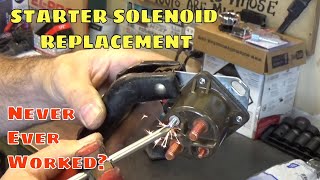
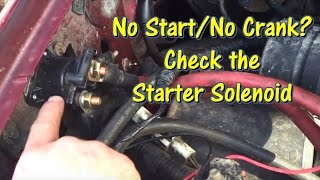
- Fender-Mounted Starter Relay: This part (also called a solenoid) is located on the passenger-side inner fender. 🎬 Watch: How to test and replace your fender-mounted relay. It's a very common failure point and is much cheaper and easier to replace than the starter.
Known Issues for 1977-1982 F-250s
Heat Soak: The most common starter-related complaint for this generation of F-250, especially with V8 engines, is heat soak. The starter is located close to the hot exhaust manifold. When the engine is at full operating temperature, the heat increases the starter's electrical resistance, preventing it from cranking. The truck will often start again after it has cooled down for 15-30 minutes. While heat shields and wraps are available, the best long-term solution is upgrading to a modern gear-reduction starter.
Choosing a New Aftermarket Starter
For a vehicle of this age, finding a true "New OEM" Motorcraft starter is nearly impossible. Your main choices are new aftermarket or remanufactured aftermarket parts. Given the history of failures with cheaply rebuilt units, choosing a new aftermarket starter is generally the more reliable option.
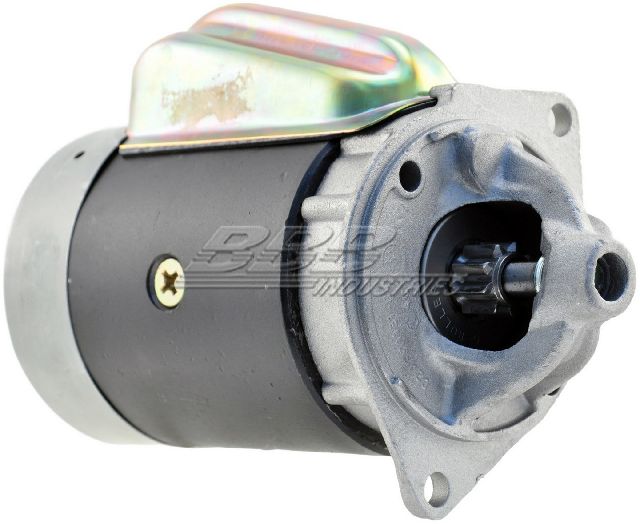
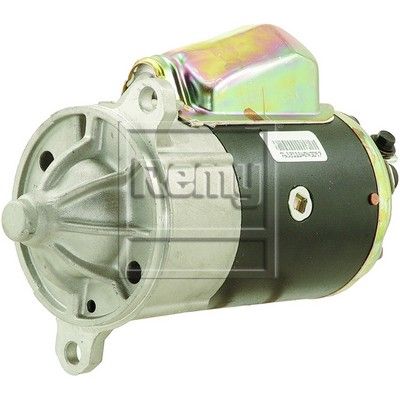
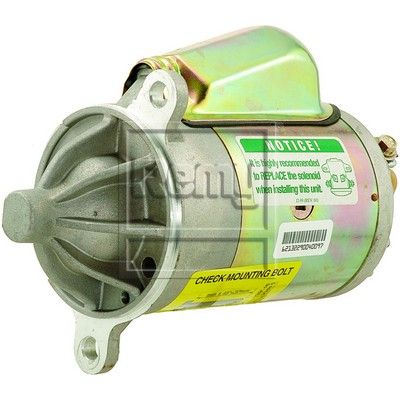
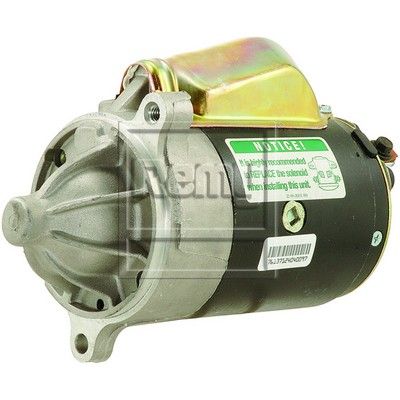
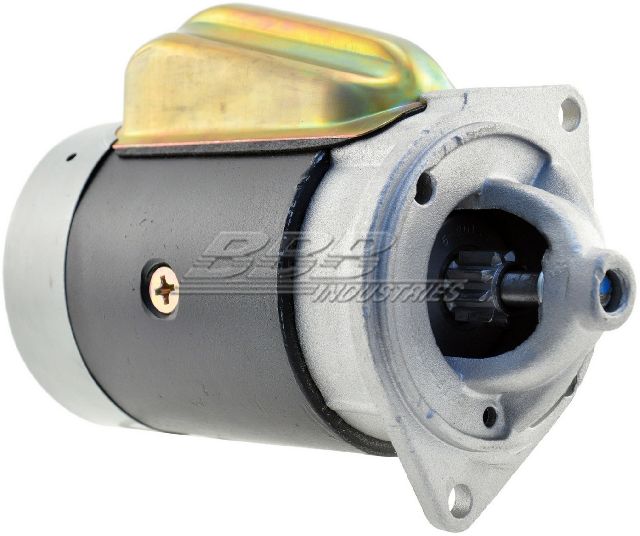
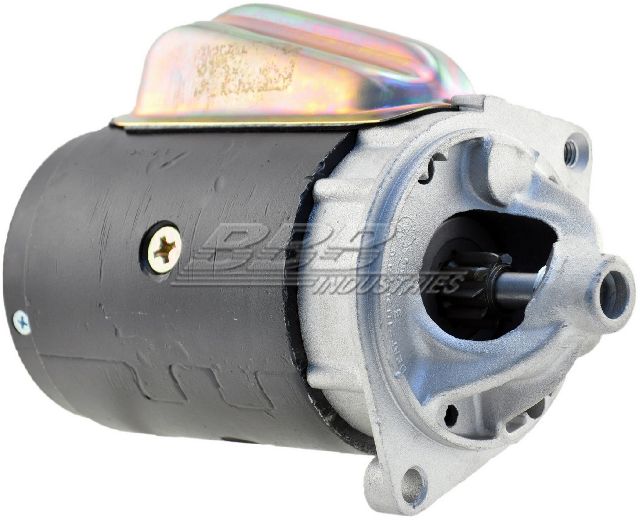
- Good Tier (Standard Replacement): Brands like BBB Industries, Remy, and WAI Global offer new, direct-fit starters. These are widely available and meet original specifications. While generally reliable for daily use, owner reviews suggest their long-term durability can be inconsistent. When choosing from this tier, prioritize a lifetime warranty from a local retailer for easier exchanges if a problem arises.
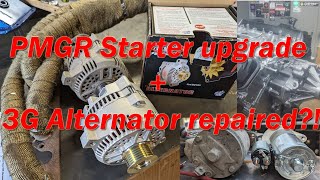
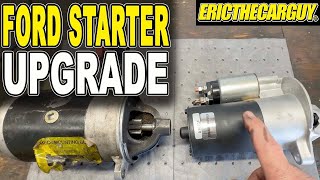
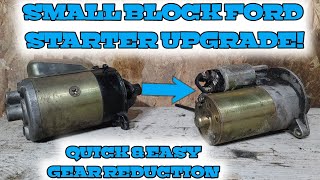
- Better Tier (Gear Reduction Upgrade): A highly recommended upgrade is a Permanent Magnet Gear Reduction (PMGR) starter, often listed as compatible with later model Fords. These starters are smaller, lighter, draw less power, and spin the engine faster. Most importantly, their design makes them far more resistant to heat soak, solving the most common issue with the original design.
Pro Tip: Upgrade to a Gear Reduction Starter
If you have a V8 engine, aftermarket headers, or experience any issues with slow starting when the engine is hot, a PMGR-style starter is the best investment you can make for reliability. It's a well-known and effective upgrade in the Ford truck community.
🎬 Watch: How to install a PMGR gear reduction starter upgrade.| Part Type | Estimated Cost | Notes |
|---|---|---|
| New Aftermarket Starter | $111.40 - $172.55 | Recommended choice. Includes standard and gear-reduction designs. |
| Remanufactured Starter | $80 - $150 | Quality can be inconsistent. Often requires a core charge. |
| Shop Labor | $100 - $200 | Typically 1-1.5 hours of labor. |
Frequently Asked Questions (FAQ)
Is it hard to replace the starter on a 1977-1982 F-250?
No, it is considered a relatively easy job for someone with basic mechanic's tools. Access is from underneath the truck, and it's held on by two or three bolts. 🎬 See this walkthrough for replacing the starter on your truck. The top bolt can sometimes be tricky to reach.
What is the difference between the starter and the solenoid?
On these trucks, the main starter relay (which most people call the solenoid) is on the inner fender. It's a small cylinder with two large posts and one or two small ones. The starter is the larger motor bolted to the engine. The fender relay is a common failure point and should be checked first.
The new starter I bought has a small solenoid on it. Can I still use it?
Yes. Many modern replacement starters, especially PMGR types, have their own built-in solenoid. You can still use it with your truck's existing fender relay. A common wiring method involves running the main battery cable from the fender relay to the power post on the new starter, and then using a small jumper wire on the starter itself from the main power post to its small 'S' (start) terminal.
Do I need a specific starter for my engine?
Yes. The 1977-1982 F-250 was available with several different engines (e.g., 351M, 400, 460 V8s, and the 300 inline-6). There are differences in how the starter mounts, so you must order a part that is specified for your exact engine and transmission combination.
Helpful Videos
Technical Specifications
OEM Part Numbers: D7TZ-11002-A D2AF-11001-CA D0ZF-11001-A
Voltage: 12V; Rotation: Clockwise; Number of Teeth: 9 or 10 depending on application.
We Have This Part in Stock

The information in this article is provided for general reference and educational purposes only. Vehicle specifications, procedures, and part compatibility can vary by production date, trim level, and region. Always consult your vehicle's factory service manual and verify part numbers before purchasing or performing repairs. Safety-critical components such as airbags, seat belts, and braking systems should be installed by a qualified professional.