

Choosing the Right Disc Brake Pads for Your 1977-1983 BMW 320i
Your guide to selecting the best new aftermarket brake pads for your classic E21.
- Choose pads based on your driving style: quiet daily-driver pads (Bosch, Centric) or performance pads (EBC, Hawk) for spirited driving.
- Replacing front brake pads is a DIY-friendly job on the E21 chassis, often not requiring caliper removal.
- There are no active recalls for the brake pads on the 1977-1983 BMW 320i.
- For best performance and to prevent noise, always lubricate contact points and consider replacing rotors if they are worn.
Is it Time for New Brake Pads?
Your E21 will give you clear signs when its brake pads are wearing thin. Ignoring them can lead to longer stopping distances and damage to other brake components like the rotors. Being attentive to these symptoms is key for maintaining the safety and performance of your classic BMW.
Symptoms of Worn Brake Pads:
- Squealing or Screeching Noises: A high-pitched noise when you apply the brakes is often the first sign. It's caused by a small metal wear indicator built into the brake pad making contact with the rotor.
- Grinding Sounds: If you hear a deep, metallic grinding, it means the pad material is completely gone. This is a critical situation where the metal backing plate of the pad is grinding against the rotor, causing severe damage. 🎬 See this guide to identify dangerous brake noises.
- Reduced Stopping Power: If you notice your car takes longer to stop than it used to, your pads may be worn out or 'glazed' from overheating.
- Spongy or Soft Brake Pedal: A pedal that feels less firm or travels further to the floor can indicate issues in the brake system, sometimes related to worn pads or other problems like air in the brake lines.
A Note on Recalls
Searches of the National Highway Traffic Safety Administration (NHTSA) database show no specific brake pad recalls for the 1977-1983 BMW 320i. Recent widespread BMW brake recalls do not affect this classic E21 chassis.
Choosing the Right Aftermarket Brake Pads
Aftermarket brake pads for your 320i offer a wide range of options, from quiet daily drivers to aggressive performance compounds. Unlike Original Equipment (OE) pads that are designed for a balance of quietness and decent performance for the average driver, aftermarket pads let you tailor your car's braking characteristics to your specific needs.
Tier 1: Daily Driver & OEM-Style Replacements
These pads are perfect if you want a quiet, reliable, and clean-running brake pad for everyday driving. They are designed to perform similarly to the original pads that came on your car from brands that are often Original Equipment suppliers to BMW.
- Bosch: Often an OE supplier for BMW, Bosch pads like the QuietCast line are known for being very quiet and producing minimal dust, though some users feel they have a softer initial pedal feel. They are a solid, budget-friendly choice.
- Centric: This brand has a strong reputation in the aftermarket. Centric pads are considered a great value, offering low dust and performance that is very close to original equipment.
- Dynamic Friction: DFC Street pads are formulated for daily driving with a focus on low dust and user-friendly performance, making them a good alternative to stock pads.
Tier 2: Performance Street & Spirited Driving
If you enjoy more spirited driving and want improved stopping power and fade resistance without the harshness of a full race pad, this tier is for you.
- EBC Greenstuff: Specifically mentioned as a good performance upgrade for the E21 chassis, offering a noticeable improvement in braking without sacrificing everyday comfort.
- Hawk HPS (High Performance Street): A popular choice for enthusiasts who want a more commanding response from their brakes for spirited street use.
- Powerstop Z-Series (e.g., Z16, Z23): These carbon-fiber ceramic pads are known for their extremely low dust output. They may have a slightly less aggressive initial bite than stock pads but provide strong, linear stopping power once bedded in.
Tier 3: Autocross & High-Performance Street
For owners who participate in autocross or very aggressive street driving, these pads offer high friction levels and excellent resistance to brake fade at high temperatures. The trade-off is typically more noise and dust.
- EBC Yellowstuff: These pads are designed for aggressive street use and can even handle occasional track days. They feature a strong initial bite even when cold and resist fade under heavy use.
- Hawk HP Plus: A favorite in the autocross community, these pads offer a high friction level across a broad temperature range. They are known to be noisy and dusty, which is a common trait for this level of performance pad.
Installation Tip: Prevent Brake Noise
Most brake squeal is caused by high-frequency vibrations. When installing new pads, apply a thin layer of brake anti-squeal paste or silicone brake lubricant to the back of the pad's backing plate and on the caliper contact points (do NOT apply to the pad friction material). This helps dampen vibrations and prevent noise.
How Much Should New Brake Pads Cost?
The price for a new set of aftermarket brake pads for your 320i varies widely based on the brand and compound you choose.
| Item | Estimated Cost |
|---|---|
| Aftermarket Disc Brake Pad Set (Front) | $29 - $219 |
| Shop Labor for Installation | $120 - $250 |
Frequently Asked Questions
Do I need to replace my rotors with my pads?
Not always, but it's highly recommended. If your rotors are below the minimum thickness specified by BMW, are warped (causing a pulsation in the pedal), or have deep grooves, they must be replaced. Installing new pads on worn rotors will reduce performance and wear out the new pads much faster.
What is "bedding in" new brake pads?
Bedding-in is a process that deposits an even layer of friction material from the new pads onto the brake rotors. This is crucial for optimal performance, feel, and longevity. The process typically involves a series of controlled stops from moderate speeds, allowing the brakes to heat up and cool down properly. Always follow the specific procedure recommended by the pad manufacturer.
🎬 Watch: How to properly bed in your new brake pads.What are the different brake pad materials?
Pads come in several materials. Organic pads are quiet and easy on rotors but wear faster. Semi-metallic pads offer better performance and durability but can be noisier. Ceramic pads provide excellent stopping power, are quiet, and produce very little dust, making them a popular modern choice.
Can I install brake pads myself?
Yes, replacing the front brake pads on a 1977-1983 320i is a job many owners can do at home. The front calipers use a pin design that can allow you to change the pads without removing the entire caliper. You will need basic hand tools, a jack and jack stands, a tool to push the caliper piston back, and a torque wrench.
🎬 Watch: Full brake job walkthrough for your E21 320i.Helpful Videos

Technical Specifications
OEM Part Numbers: 34111119480 34111116503 34111115311
The 1977-1983 BMW 320i uses solid front brake rotors on early models and vented rotors on later/upgraded models. The front calipers are a floating design, typically made by ATE, and use guide pins to hold the pads in place.
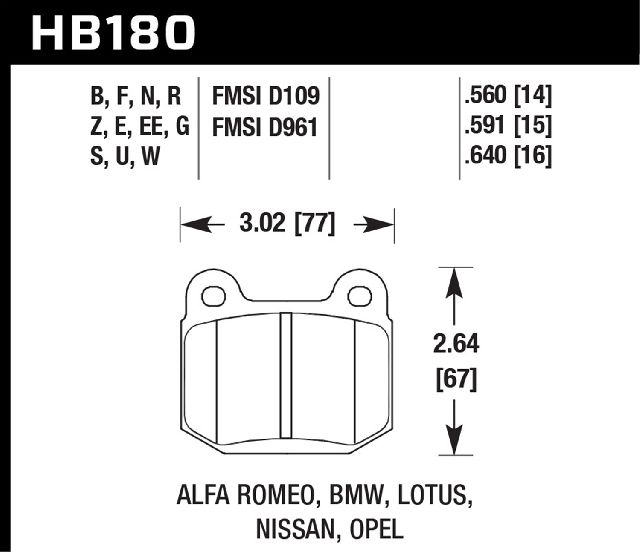
We Have This Part in Stock

The information in this article is provided for general reference and educational purposes only. Vehicle specifications, procedures, and part compatibility can vary by production date, trim level, and region. Always consult your vehicle's factory service manual and verify part numbers before purchasing or performing repairs. Safety-critical components such as airbags, seat belts, and braking systems should be installed by a qualified professional.
- 🎬 Helpful Videos
- 🛍️ Shop This Part
- Is it Time for New Brake Pads?
- Symptoms of Worn Brake Pads:
- A Note on Recalls
- Choosing the Right Aftermarket Brake Pads
- Tier 1: Daily Driver & OEM-Style Replacements
- Tier 2: Performance Street & Spirited Driving
- Tier 3: Autocross & High-Performance Street
- Installation Tip: Prevent Brake Noise
- How Much Should New Brake Pads Cost?
- Frequently Asked Questions
- 🎟️ Get 5% Off