

A Guide to Spark Plug Wire Sets for the 1977-1983 Chrysler New Yorker
Restore your classic New Yorker's ignition performance and reliability by choosing the right spark plug wire set.
- Confirm your specific engine (e.g., 318 V8, 225 Slant-6, 2.2L I4) before purchasing, as wire sets are not interchangeable.
- Choose a brand based on your needs: Standard or NGK for stock reliability, or MSD and Taylor for upgraded performance.
- Always replace spark plug wires as a complete set to ensure balanced ignition performance.
- Inspect wires for visible damage like cracks and burns as a sign they are due for replacement.
Choosing the Right Wires for Your New Yorker's Engine
Before buying a spark plug wire set for your 1977-1983 Chrysler New Yorker, you must know which engine you have. This model range saw significant changes, using several different engines. A wire set for a 1977 V8 will not fit a 1983 four-cylinder.
- 1977-1978: These models typically came with large V8 engines, such as the 360 cu in (5.9L), 400 cu in (6.6L), or 440 cu in (7.2L).
- 1979-1982: Engine options often included the 318 cu in (5.2L) V8 🎬 Watch: Small block Mopar spark plug and wire installation and the 225 cu in (3.7L) "Slant-6".
- 1983: This year marked a switch to a smaller, front-wheel-drive platform with different engines, including the 2.2L and 2.6L four-cylinder engines.
Always verify your engine size before ordering parts. Using the wrong set will result in incorrect lengths and improper connections.
Signs of Failing Spark Plug Wires
Worn-out spark plug wires can cause noticeable problems with your car's performance. Because they degrade slowly, you might not realize how much performance has been lost. Common symptoms include:
🎬 Watch: 6 common symptoms of bad spark plug wires- Rough Idling: The engine may shake or vibrate more than usual when stopped.
- Engine Misfires: You may feel the engine stumble or jerk, especially during acceleration. A misfire means one or more cylinders are not firing correctly.
- Hesitation or Power Loss: The car may feel sluggish when you press the gas pedal.
- Difficulty Starting: A weak spark can make the engine harder to start.
- Reduced Fuel Economy: When the engine doesn't burn fuel efficiently due to poor spark, your gas mileage will suffer.
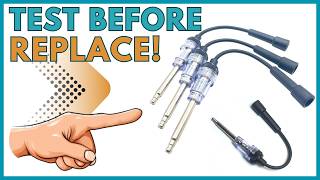
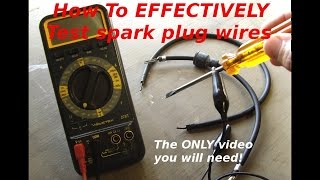
- Visible Damage: Check the wires for cracks, burns, or melting on the outer insulation. You might even see or hear a small blue spark arcing from the wire to a metal engine part in the dark. 🎬 See three ways to test your spark plug wires
Aftermarket Spark Plug Wires: Making the Right Choice
For a classic vehicle like the New Yorker, original equipment manufacturer (OEM) wires are generally not available. The aftermarket offers a wide range of quality options, from standard replacements to high-performance upgrades.
Brand Quality Tiers
Pro Tip: The "best" brand depends on your goals. For a daily driver, a quality OE-style set is perfect. If you have performance upgrades like a hotter ignition system, a performance wire set is a better match.
- Performance Brands (MSD, Taylor Cable, Accel): These brands are very popular with Mopar enthusiasts for performance applications. They typically feature thicker wires (8mm or larger) with low electrical resistance, designed to deliver the strongest possible spark. They are an excellent choice if you have an upgraded ignition coil or distributor. Many Mopar owners on forums recommend MSD and Taylor wires for their reliability and performance benefits.
- Premium OE-Style Brands (NGK, Standard Motor Products): NGK and Standard (SMP) are well-respected brands known for making high-quality parts that meet or exceed original specifications. They are a fantastic choice for a stock engine, providing excellent reliability and a perfect fit. Forum users often recommend Standard wires for a dependable, stock-like replacement. NGK wires are also praised for their quality construction and performance.
- Standard Replacement Brands (ACDelco, Denso, Walker Products): These brands offer reliable, direct-fit replacement wire sets that are a good value. They are a suitable choice for a standard tune-up on a daily driver where budget is a key consideration.
| Tier | Price Range | Best For |
|---|---|---|
| Standard Replacement | $25 - $60 | Basic tune-ups and daily driving |
| Premium OE-Style | $40 - $90 | Stock restorations and long-term reliability |
| Performance | $70 - $240+ | Modified engines and high-performance use |
Frequently Asked Questions (FAQ)
Do I need 7mm, 8mm, or larger wires?
For a stock engine, standard 7mm or 8mm wires are perfectly fine. Larger diameter wires (like 8.5mm or 10mm) offer better insulation and lower resistance, which is beneficial for high-output ignition systems, but they are not necessary for a standard engine.
Should I buy pre-cut or universal "cut-to-fit" wires?
Pre-cut, vehicle-specific sets are easier to install and designed for your engine. Universal sets require you to cut each wire to length and attach the distributor cap terminals. This allows for custom routing but is more work. For most owners, a pre-cut set is the best choice.
How often should I replace my spark plug wires?
Spark plug wires don't have a strict replacement schedule, but it's a good idea to inspect them during every tune-up. Many mechanics recommend replacing them with the spark plugs, typically every 30,000 to 50,000 miles, as a preventative measure to maintain peak performance.
Can I replace just one broken wire?
While you can replace a single wire, it's highly recommended to replace the entire set at once. All the wires have been exposed to the same heat and age, so if one has failed, the others are likely weak as well. Replacing them as a set ensures consistent performance and reliability.
Helpful Videos
Technical Specifications
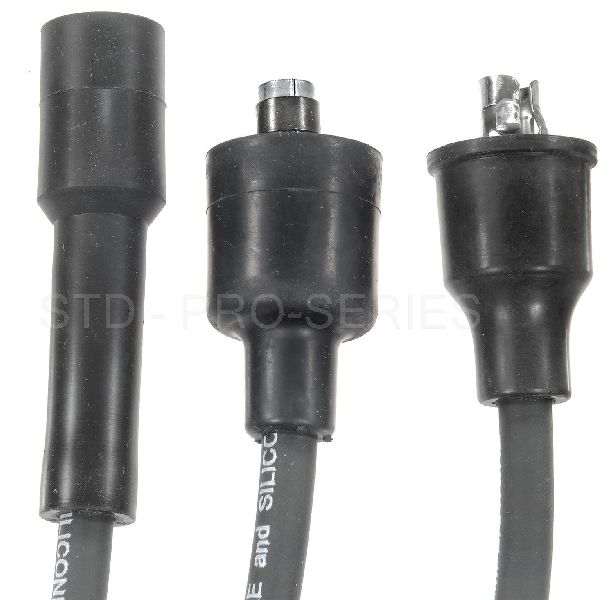
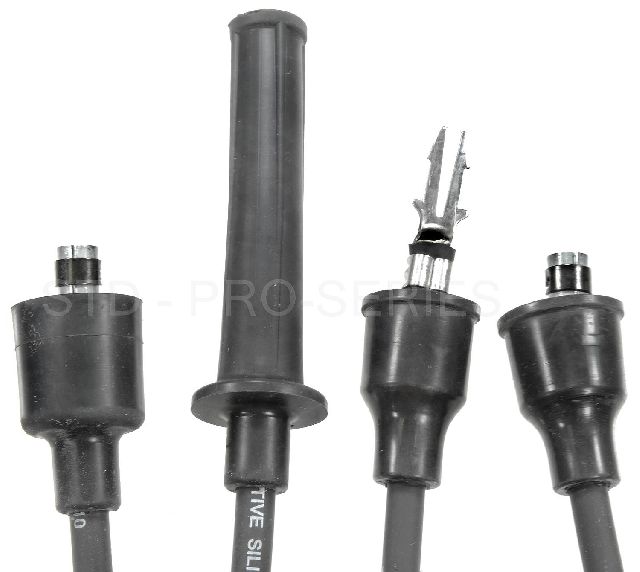
Key specifications vary by engine. Important factors include wire core material (carbon core for radio suppression, spiral core for low resistance), wire diameter (typically 7mm to 8.5mm), and the angle of the spark plug and distributor boots (straight, 45-degree, or 90-degree).
We Have This Part in Stock
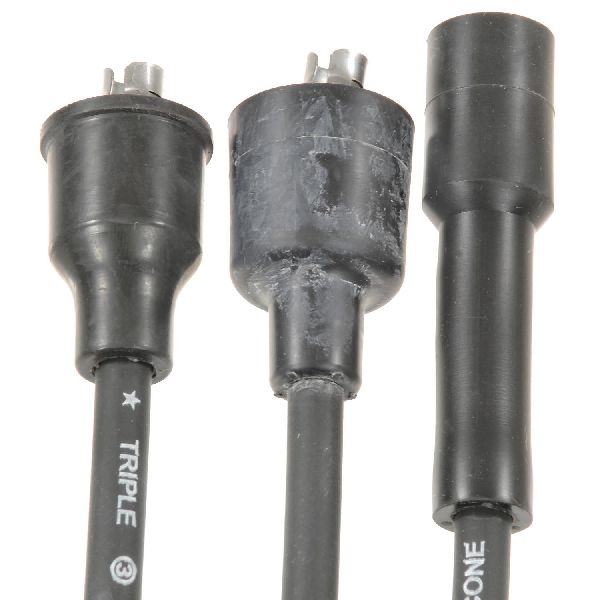
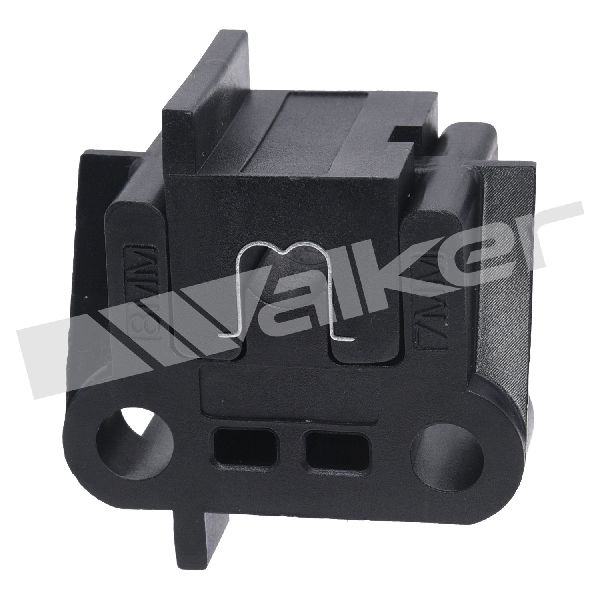
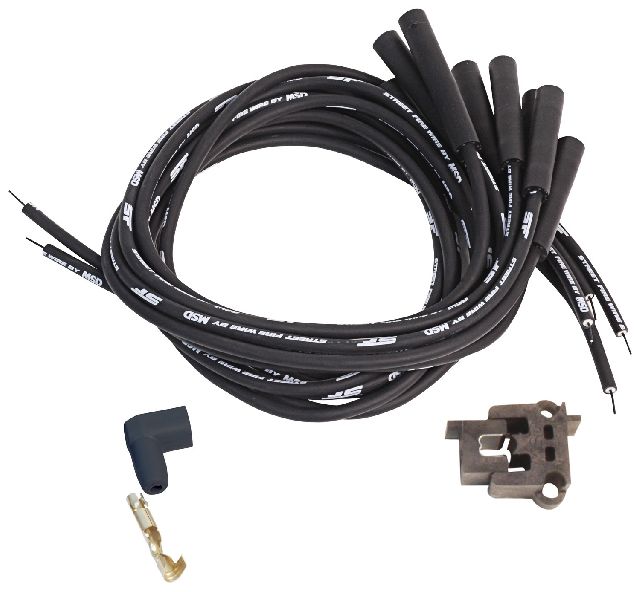

The information in this article is provided for general reference and educational purposes only. Vehicle specifications, procedures, and part compatibility can vary by production date, trim level, and region. Always consult your vehicle's factory service manual and verify part numbers before purchasing or performing repairs. Safety-critical components such as airbags, seat belts, and braking systems should be installed by a qualified professional.