

Ford Courier Engine Timing Belt: A Vehicle-Specific Guide (1977-1983)
Everything you need to know about choosing and replacing the timing belt on your 2.3L Ford Courier.
- The 2.3L engine is a non-interference design, so a broken belt will not destroy the engine.
- Replace the timing belt every 60,000 miles or 5-7 years, whichever comes first.
- Always replace the tensioner with the belt; consider replacing the water pump and front seals at the same time.
- Ensure you buy the correct belt with 129 square teeth (Part T014 or equivalent).
Is the 1977-1983 Ford Courier Engine an Interference Engine?
No. The 2.3L OHC engine, often called the "Lima" engine, used in the 1977-1983 Ford Courier is a non-interference (or "freewheeling") engine. This is excellent news for owners. It means that if the timing belt breaks, the pistons will not strike and bend the valves. While a broken belt will leave you stranded, it will not cause the catastrophic internal engine damage common in interference engines. The engine will simply stop running, and a new belt can be installed to get it running again without expensive head repairs.
Symptoms of a Failing Timing Belt
A timing belt can fail without much warning, but sometimes there are signs. Listen for a ticking or slapping noise coming from the front of the engine, which could be the sound of a loose or deteriorating belt hitting the timing cover. You might also experience rough idling, difficulty starting, or a sudden loss of power if the belt has stretched and "jumped a tooth," throwing the engine's timing off.
Critical Warning: Do Not Ignore Symptoms
Even on a non-interference engine, you should not continue to drive with a suspected timing belt issue. A complete failure will leave you stranded, often in an unsafe location. If the belt is loose, it can also damage other components like the timing cover or sensors.
Choosing the Right Aftermarket Timing Belt
Since Original Equipment (OEM) parts for this truck are no longer available from Ford, you will be choosing from aftermarket brands. For a critical part like a timing belt, quality matters. The brands available—Gates, Dayco, Continental, and Cloyes—are all established manufacturers.
- Gates: Widely regarded as a top-tier aftermarket brand, often matching or exceeding OEM quality. A reliable and safe choice for the Courier.
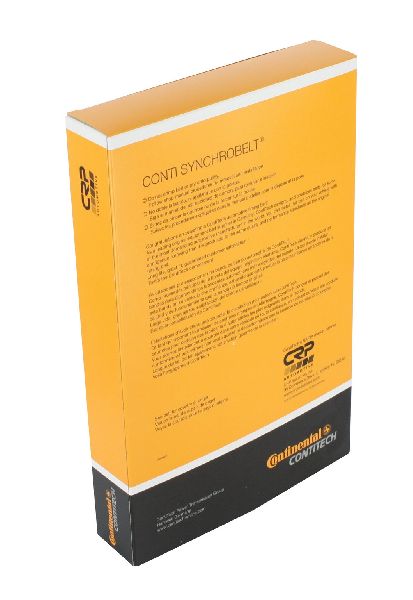
- Continental (ContiTech): A major OEM supplier for many car brands, known for producing high-quality rubber components. Like Gates, this is a trusted option.
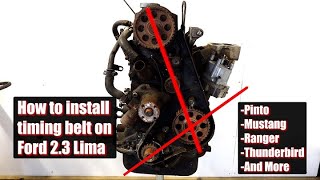
- Dayco: Another large OEM supplier with a reputation for durable belts. Their belts sometimes feature a unique Kevlar construction, but can be stiffer and slightly more difficult to install. 🎬 Check out these helpful pro tips for a smoother belt replacement.
- Cloyes: A well-known brand in timing components, offering reliable parts for this application.
Pro Tip: All four brands offer a quality product for this application. Since the price difference is minimal, choosing based on availability or a complete kit is a sound strategy. There is no significant performance difference between them for this engine.
Common Ordering Mistakes
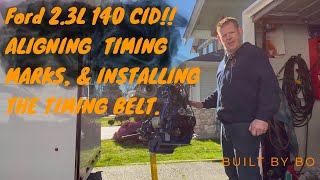
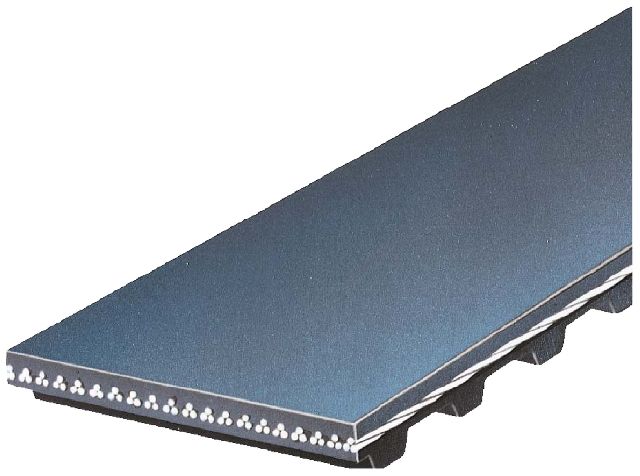
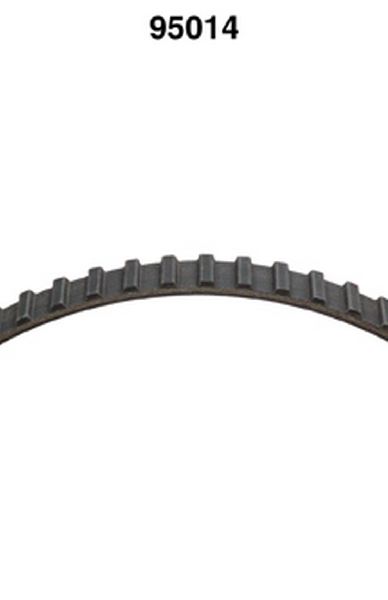
The most common mistake is ordering the wrong type of belt. The 2.3L engine in this era uses a belt with square teeth. Some later Ford engines switched to a round-tooth design. Always verify you are purchasing the 129-tooth square-tooth belt 🎬 See how to properly align the timing marks during installation. (Part T014 or equivalent) for your 1977-1983 Courier.
| Part/Service | Estimated Cost |
|---|---|
| New Aftermarket Timing Belt | $19 - $22 |
| New Aftermarket Timing Belt Kit (Belt & Tensioner) | $40 - $60 |
| Shop Labor | $270 - $450 |
| Total Professional Replacement | $310 - $510 |
Frequently Asked Questions (FAQ)
When should I replace my Courier's timing belt?
The recommended replacement interval is every 60,000 miles. Due to the age of the rubber, it is also wise to replace it every 5-7 years, regardless of mileage, to prevent degradation.
Should I replace the water pump and tensioner at the same time?
Yes, absolutely. The tensioner is a wear item and should always be replaced with the belt. While the water pump on this engine is not driven by the timing belt, it is located nearby. Given the age of the vehicle and the labor involved in accessing the area, replacing the water pump, tensioner, and any front engine seals is a smart and cost-effective preventative measure.
Can I replace the timing belt myself?
Yes, this is a feasible DIY job for someone with mechanical experience. The 2.3L Lima engine is relatively simple to work on, and because it's a non-interference engine, a mistake during installation is unlikely to cause engine damage. You will need basic hand tools, a torque wrench, and a reliable repair manual.
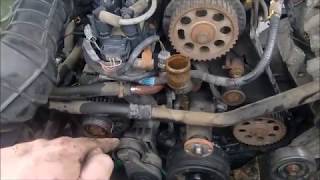
🎬 Watch: Full walkthrough on replacing the belt and setting timing.What happens if the timing belt breaks while driving?
Your engine will immediately shut off, and you will lose power steering and brakes (though the brakes will still work with much more effort). You will coast to a stop. Because it is a non-interference engine, no internal damage will occur. You will need to be towed and have a new timing belt installed.
Helpful Videos
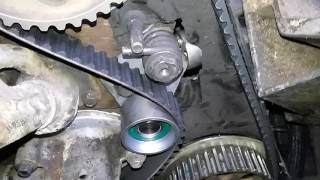
Technical Specifications
OEM Part Numbers: D4FZ6268A D42E6268AB D4ZA6268AB E5ZZ6268A
Tooth Count: 129, Tooth Profile: Square, Width: 0.878 in (22mm)
We Have This Part in Stock

The information in this article is provided for general reference and educational purposes only. Vehicle specifications, procedures, and part compatibility can vary by production date, trim level, and region. Always consult your vehicle's factory service manual and verify part numbers before purchasing or performing repairs. Safety-critical components such as airbags, seat belts, and braking systems should be installed by a qualified professional.