

A Guide to Suspension Strut Bellows for the 1977-1985 Mazda GLC
Protect your classic Mazda's ride quality by understanding this small but critical suspension part.
- A torn strut bellow will lead to premature strut failure by allowing dirt and debris to destroy the strut's seals.
- For the 1977-1985 Mazda GLC, new aftermarket parts are the only realistic option; premium brands like KYB offer the best quality and longevity.
- You must confirm if your GLC is Front-Wheel Drive (FWD) or Rear-Wheel Drive (RWD) before ordering, as the parts are not interchangeable.
- Replacement is a difficult job that requires a spring compressor and should be followed by a wheel alignment.
Is a Torn Strut Bellow a Big Deal?
A cracked or missing strut bellow on your Mazda GLC might not seem like an emergency, but it's a warning sign. The bellow itself doesn't affect how your car handles. However, once it fails, the strut's shiny, smooth piston rod is exposed to the elements. Dirt and grime act like sandpaper on the strut's oil seal, causing it to fail. This leads to the loss of hydraulic fluid and the complete failure of the strut, which is a more expensive and serious problem.
Symptoms of a Problem
You won't feel a broken bellow, you'll see it. A visual inspection is the only way to spot a failure.
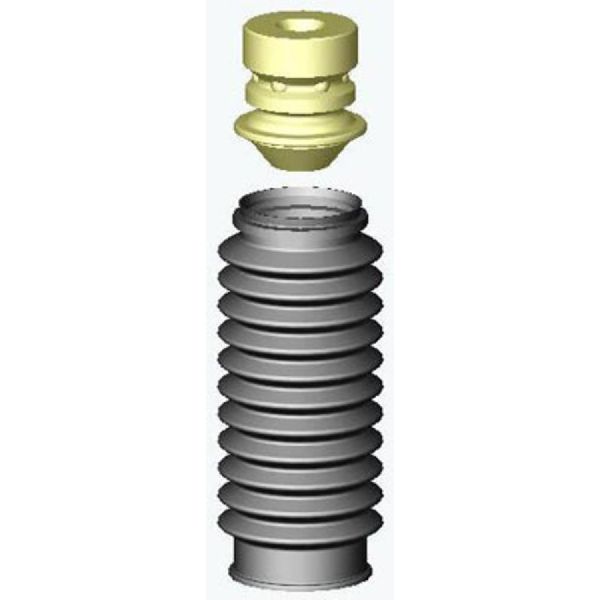
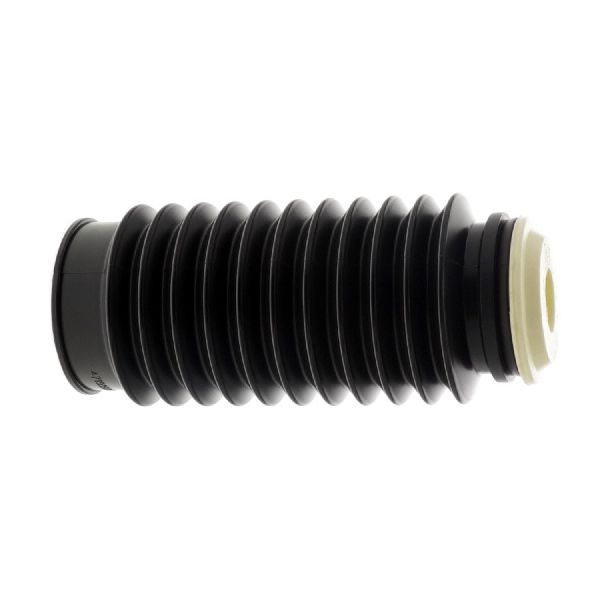
- Visual Cracks or Tears: Look behind your wheels at the strut assembly. You should see a black, rubbery boot covering the metal strut shaft. If this boot is cracked, brittle, torn, or missing, it needs to be replaced.
- Leaking Struts: If you see oily, wet fluid on the body of the strut, it means the internal seal has already failed, likely because a damaged bellow allowed dirt to get in. At this point, you need to replace the entire strut, not just the bellow.
- Noise and Poor Ride Quality: If you hear clunking sounds over bumps or the car feels overly bouncy, your struts have likely failed. This is a direct result of the strut losing its ability to dampen impacts, a process often started by a failed bellow.
Generation and Drivetrain Matter
The Mazda GLC changed from Rear-Wheel Drive (RWD) to Front-Wheel Drive (FWD) in 1981 for most models, though the wagon remained RWD. Suspension parts are different between these versions. Always confirm your GLC's year and drivetrain (FWD or RWD) before ordering parts to ensure you get the correct fit.
Choosing the Right Aftermarket Bellows
For a vehicle as old as the 1977-1985 GLC, new original Mazda parts are generally not available. The aftermarket is your primary source. When choosing a replacement, consider the brand's reputation.
- Premium Brands (KYB): KYB is a well-respected Japanese brand that is an original equipment manufacturer for many car companies. Their aftermarket parts are known for meeting or exceeding OE quality standards. Choosing a KYB bellow kit ensures you are getting a durable, high-quality part that will offer long-lasting protection for your new or existing struts.
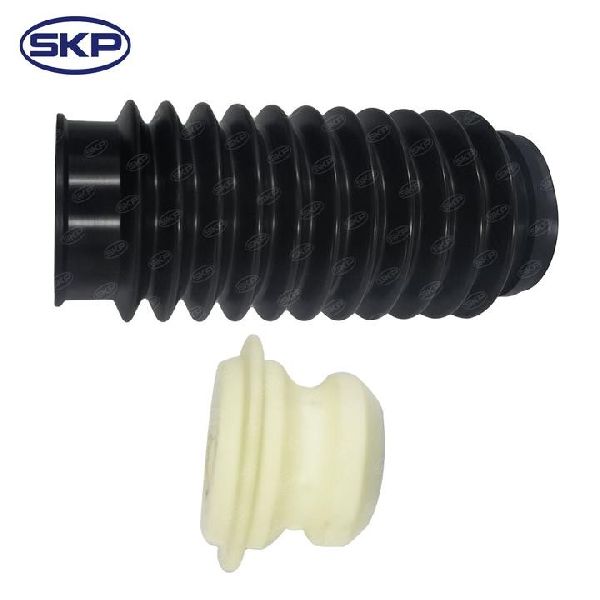
- Standard/Budget Brands (Skyward, others): Skyward and other store brands offer a more affordable option. While they will fit and function, the quality of the rubber or plastic may not be as high as a premium brand. They may not last as long, potentially cracking or becoming brittle sooner. If you are on a tight budget, they are a viable option, but a premium brand offers better long-term value.
Pro Tip: Replace in Pairs
It is always best practice to replace suspension components in pairs (both front bellows or both rear bellows at the same time). It is also highly recommended to install new bellows whenever you replace your struts. This ensures your new struts are protected from day one.
Cost of New Aftermarket Strut Bellows (1977-1985 Mazda GLC)
| Brand Tier | Estimated Part Cost (Per Bellow) |
|---|---|
| Premium (e.g., KYB) | $25 - $32 |
| Standard (e.g., Skyward) | $19 - $25 |
Note: Prices are estimates and can vary by retailer and specific vehicle model (FWD vs. RWD). Labor costs are additional.
Frequently Asked Questions (FAQ)
Are there any recalls for Mazda GLC strut bellows?
No. Searches of the National Highway Traffic Safety Administration (NHTSA) database show no recalls or technical service bulletins (TSBs) related to the suspension strut bellows for the 1977-1985 Mazda GLC. Any failure today is due to the age of the original part.
Can I replace just the bellow without replacing the whole strut?
Yes, if your current strut is still in good condition (not leaking or bouncy), you can replace just the bellow. However, the labor involved is nearly identical to replacing the entire strut, as the assembly must be removed from the car and disassembled.
Is this a difficult DIY job?
Yes, this is a job for an experienced DIYer or a professional mechanic. Replacing the strut bellow requires removing the strut and spring assembly. The coil spring is held under extreme tension and requires a special spring compressor tool to be safely removed. Attempting this job without the proper tools and knowledge can be very dangerous.
Do I need an alignment after replacing strut bellows?
Yes, any time the strut assemblies are removed from the vehicle, it is highly recommended to get a professional wheel alignment. Removing and reinstalling these components will affect the vehicle's camber and toe angles, which can cause poor handling and uneven tire wear if not corrected.
Technical Specifications
Fitment varies between Front-Wheel Drive (FWD) and Rear-Wheel Drive (RWD) models. Material is typically flexible rubber or thermoplastic.
We Have This Part in Stock

The information in this article is provided for general reference and educational purposes only. Vehicle specifications, procedures, and part compatibility can vary by production date, trim level, and region. Always consult your vehicle's factory service manual and verify part numbers before purchasing or performing repairs. Safety-critical components such as airbags, seat belts, and braking systems should be installed by a qualified professional.