

Chevrolet K30 A/C Compressor Cut-Off Switch Guide (1977-1986)
Is your K30's air conditioning failing to blow cold? The A/C cut-off switch is a common and simple part to fix the problem.
- Identify if your failed switch is the low-pressure (on the accumulator) or high-pressure (on the compressor) switch before ordering.
- The biggest risk of DIY replacement is the potential for releasing refrigerant if no Schrader valve is present under the switch.
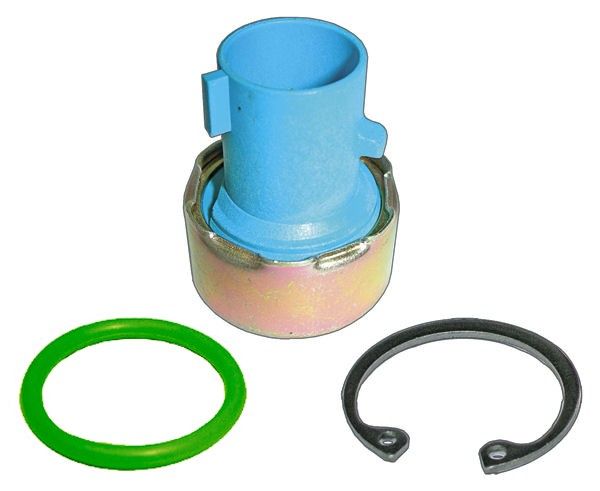
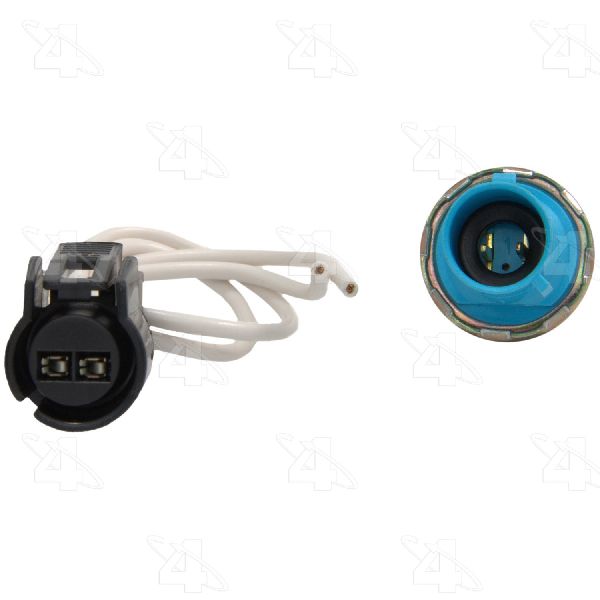
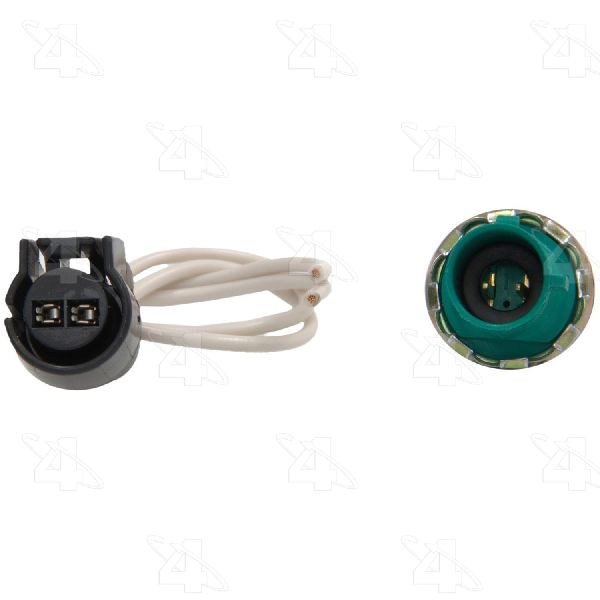
- Try to match the color and connector type of your original switch, as this often indicates the correct pressure rating for your system.
- A bad switch is a common cause for no A/C, but leaks and other component failures are also frequent issues on these 40+ year-old trucks.
Understanding the A/C Cut-Off Switches on Your K30
Your 1977-1986 Chevrolet K30's A/C system uses pressure switches to protect the compressor, the most expensive part of the system. When one of these switches fails, your A/C will stop working, even if the rest of the system is fine. There are two main switches to know about:
- Low-Pressure Cut-Off Switch: Also called a cycling switch, this is usually located on the accumulator (a large metal can in the A/C line). It's the most common switch to fail. It tells the compressor to turn off if the refrigerant is low and cycles the compressor during normal use.
- High-Pressure Cut-Off Switch: This switch is often found screwed into the back of the A/C compressor itself. It's a safety-only switch that stops the compressor if pressure gets too high, preventing damage.
Symptoms of a Failing A/C Cut-Off Switch
Because these trucks don't have modern computer diagnostics, you have to rely on symptoms. A bad cut-off switch can mimic other A/C problems, but there are a few key signs:
- A/C Blows Warm Air: The most common symptom is that the A/C simply doesn't get cold. The switch is failing to tell the compressor to turn on and circulate refrigerant.
- Compressor Doesn't Turn On: You can look at the front of the A/C compressor while the engine is running and the A/C is on. If the center part of the pulley (the clutch) never spins, the switch may not be sending power to it.
- Intermittent Cooling: The A/C might work for a little while and then stop, or cycle on and off very quickly. This can mean the switch has an internal fault or is right on the edge of its pressure setting.
Choosing the Right Aftermarket Switch
Original GM parts for these trucks are largely discontinued. Aftermarket is your main option, and quality can vary.
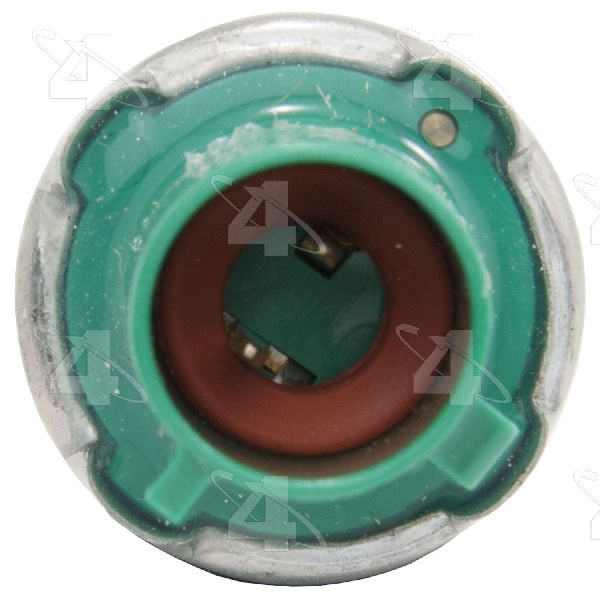
Pro Tip: Before ordering, look at your existing switch. Note the color of the plastic connector and the number of electrical pins. Aftermarket switches often use the same color-coding to indicate the pressure rating. Matching the color is the best way to ensure you get the right part.
Brand Tiers
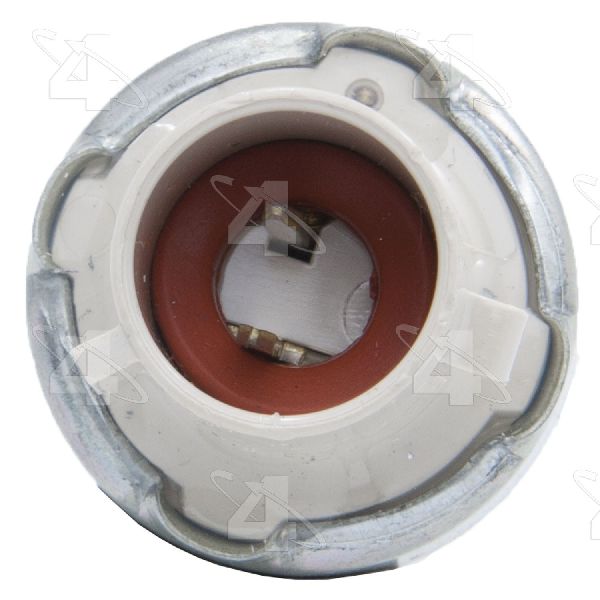
- Good - Four Seasons: Four Seasons is a well-known aftermarket A/C brand. For a vehicle of this age, their parts are generally considered a reliable and safe bet for quality and fit. Many professional mechanics use Four Seasons for older vehicle repairs.
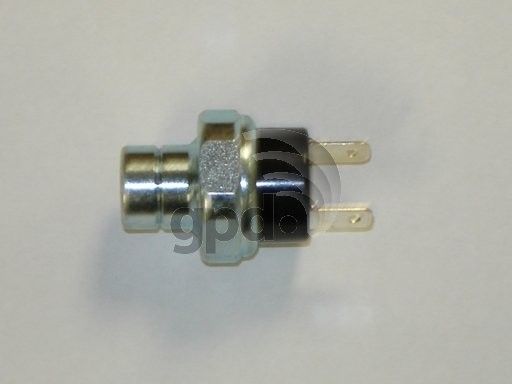
- Standard - Global Parts (GPD): Global Parts is another available brand. It can be a budget-friendly choice to get your A/C running again. While some users have reported issues with other GPD components like clutches, their switches are a viable standard replacement option.
Estimated Cost Comparison
| Part Type | Estimated Cost |
|---|---|
| New OEM | N/A (Discontinued) |
| New Aftermarket | $22.39 - $54.11 |
| Used OEM | $10 - $30 (Not Recommended) |
| Shop Labor | $75 - $150 |
Installation Warning: Refrigerant
Some A/C switches on these trucks are screwed onto a Schrader valve, like a tire valve. This allows you to replace the switch without losing refrigerant. However, many are not. If there is no Schrader valve, you CANNOT remove the switch without the entire A/C system's refrigerant charge escaping. This is dangerous, harmful to the environment, and illegal. The system must be professionally evacuated by a certified A/C technician before you remove the switch.
Frequently Asked Questions
Can I replace the A/C cut-off switch myself?
Yes, the physical task is very easy. You just unplug the wire and unscrew the old switch. However, you MUST confirm if there is a valve under the switch. If not, the job requires professional equipment to evacuate the system first. Failure to do so is dangerous and illegal.
My truck was converted to R-134a refrigerant. Does that matter?
Yes, it can. R-134a operates at different pressures than the original R-12 refrigerant. If your truck has been converted, using a switch designed for R-12 might cause it to cycle incorrectly. Some owners adjust the screw on the switch (if it has one) or seek out a switch specifically calibrated for R-134a systems for better performance.
Why are the switches different colors?
The color of the plastic on the switch often indicates its pressure rating. GM used different switches for different applications. It is critical to try and match the color of your original switch to ensure the A/C system operates correctly.
Will replacing this switch guarantee my A/C will work?
No, but it's a very common and inexpensive place to start. A/C systems on older trucks can fail in many ways, including refrigerant leaks, a seized compressor, or a bad clutch. If a new switch doesn't fix the issue, the problem lies elsewhere in the system.
Are there any recalls for this part on my K30?
No. Searches of the National Highway Traffic Safety Administration (NHTSA) database show no recalls related to the A/C compressor cut-off switch for the 1977-1986 Chevrolet K30.
Technical Specifications
Function: Low-pressure cycling or high-pressure safety cut-off. Location: Typically on the A/C accumulator/drier or the rear of the A/C compressor. Connector: 1 or 2 electrical pins. Identification: Often color-coded to denote pressure rating.
We Have This Part in Stock

The information in this article is provided for general reference and educational purposes only. Vehicle specifications, procedures, and part compatibility can vary by production date, trim level, and region. Always consult your vehicle's factory service manual and verify part numbers before purchasing or performing repairs. Safety-critical components such as airbags, seat belts, and braking systems should be installed by a qualified professional.