

A Guide to Automatic Transmission Mounts for the 1977-1986 Chevrolet K30
Eliminate drivetrain clunks and vibrations in your classic square body with the right transmission mount.
- The most common symptoms of failure are clunking noises when shifting and new vibrations while driving.
- Choose a polyurethane mount (Prothane, Daystar) for heavy-duty use and durability, but expect more vibration.
- Choose a standard rubber mount (Anchor, Westar, DEA) for a stock ride quality and lower cost.
- Always inspect your engine mounts when replacing the transmission mount, as they often wear out together.
Symptoms of a Failing Transmission Mount
When the transmission mount on your K30 wears out, the signs are usually easy to notice. The original rubber hardens, cracks, or separates over time, allowing for excessive movement. Here’s what to look and listen for:
- Clunking or Banging Noises: The most common symptom is a loud clunk or bang when you shift from Park into Drive or Reverse. This is the sound of the transmission shifting and hitting against other parts because the mount isn't holding it securely.
- Excessive Vibrations: You might feel a new or stronger vibration through the floor or the seat, especially when accelerating or at certain speeds. This happens because the worn-out rubber can no longer absorb the drivetrain's vibrations.
- Visible Movement: A visual inspection can often confirm the problem. Look for cracks, tears, or separation in the rubber part of the mount. You might also see that the mount looks sagged or collapsed. In some cases, you can see the engine and transmission move excessively when shifting gears (with a helper in the cab).
Check Your Engine Mounts, Too
The engine and transmission mounts work together to support the entire drivetrain. If your transmission mount has failed, there's a good chance your engine mounts are also worn out. It's highly recommended to inspect and replace them at the same time to ensure proper alignment and prevent future problems.
Choosing the Right Aftermarket Mount: Rubber vs. Polyurethane
Since new original equipment (OEM) mounts for this generation of truck are generally unavailable, you'll be choosing from aftermarket options. The main choice is between standard rubber mounts and performance-oriented polyurethane mounts.
Standard Rubber Mounts (OEM Style)
Brands: Anchor, DEA, Westar, Skyward
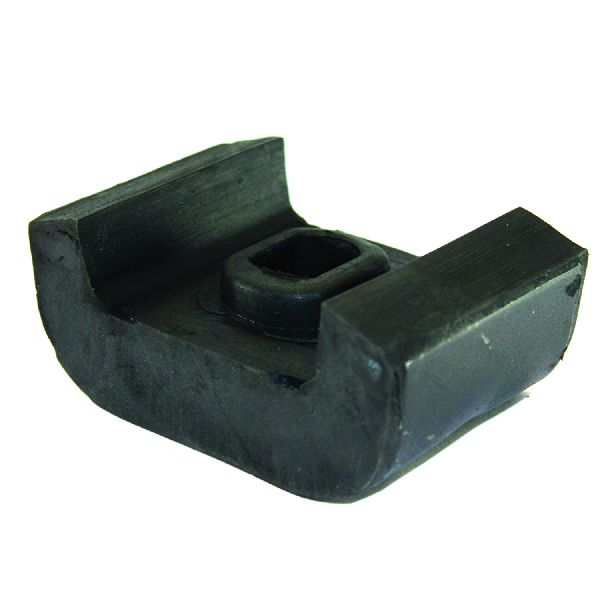
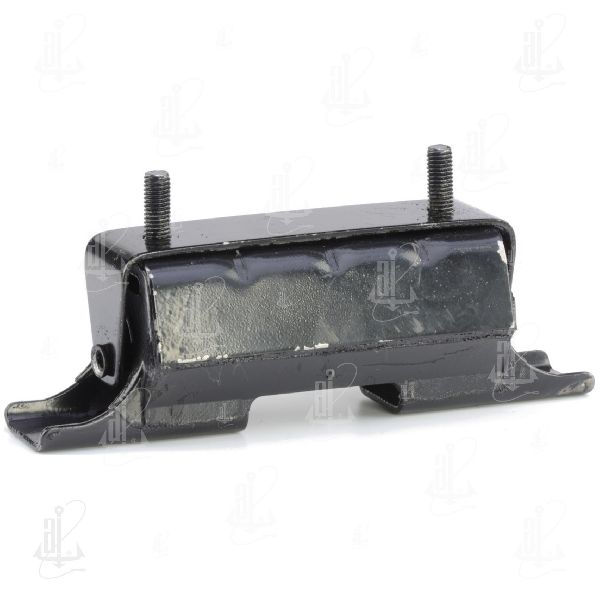
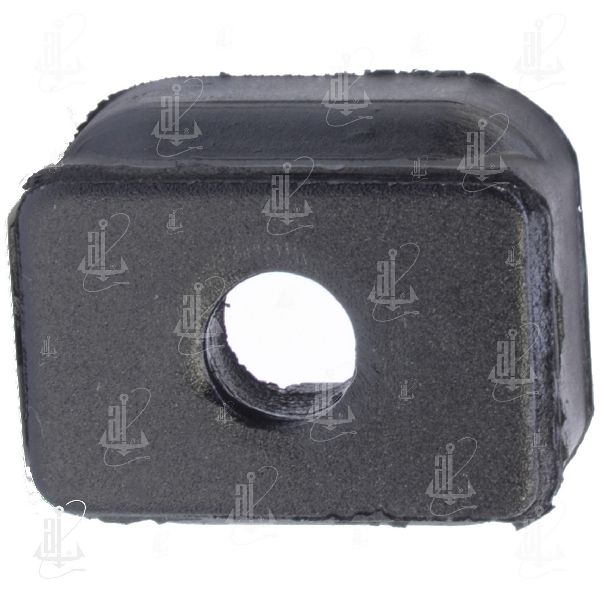
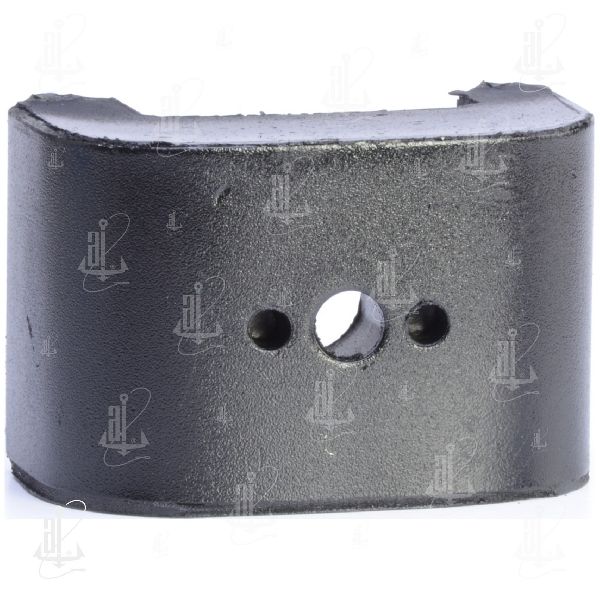
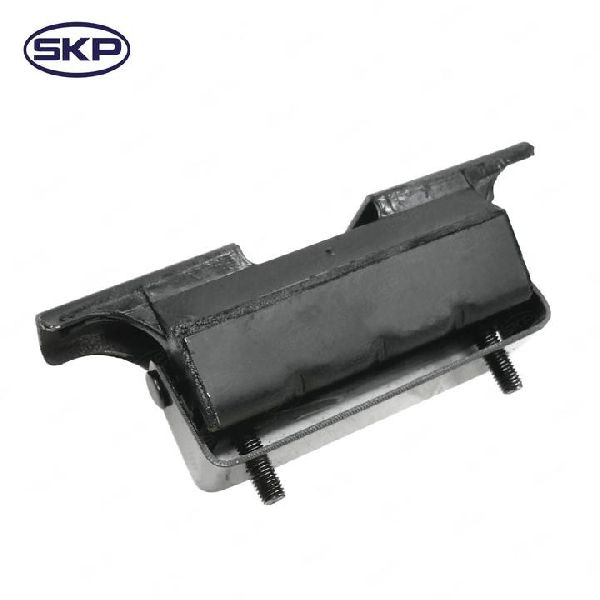
These mounts are designed to be direct replacements for the factory part. They use a dense rubber block to absorb vibrations, providing a ride quality similar to the original. They are the most affordable option and are a great choice for daily drivers, stock restorations, or anyone who prioritizes a smooth, quiet ride over performance. While some online forums have mixed reviews on budget brands like Anchor and DEA, they are generally considered acceptable for standard use.
Polyurethane Mounts (Performance)
Brands: Prothane, Daystar
Polyurethane is a much stiffer and more durable material than rubber. These mounts are considered a performance upgrade, ideal for trucks that are used for heavy towing, hauling, or off-roading. They can handle more torque and will last much longer than rubber. The main trade-off is an increase in Noise, Vibration, and Harshness (NVH). You will feel more drivetrain vibration in the cab, which some drivers may find uncomfortable for a daily driver.
Pro-Tip: If your K30 is a workhorse or a modified off-road rig, a polyurethane mount from a brand like Prothane is a worthwhile investment for its durability. For a stock truck that sees light duty, a standard rubber mount from a brand like Westar or Anchor will restore the original feel at a lower cost.
Cost to Replace a 1977-1986 Chevrolet K30 Transmission Mount
| Item | Estimated Cost |
|---|---|
| Aftermarket Rubber Mount | $5 - $30 |
| Aftermarket Polyurethane Mount | $40 - $135 |
| Shop Labor | $100 - $250 |
| Total (DIY) | $5 - $135 |
| Total (Installed at Shop) | $105 - $385 |
Frequently Asked Questions
Is it difficult to replace the transmission mount myself?
No, for most DIY mechanics, this is a relatively easy job. It requires basic hand tools, a floor jack, and jack stands. The process involves supporting the transmission with the jack, unbolting the old mount from the crossmember and transmission, and installing the new one. The entire job can typically be done in about an hour.
Can I drive with a bad transmission mount?
It is not recommended. While you might be able to drive cautiously for a short distance, a completely failed mount can allow for excessive movement that could damage the driveshaft, u-joints, exhaust, or even the transmission case itself. It's best to get it replaced as soon as symptoms appear.
How do I know if I need a rubber or polyurethane mount?
Choose rubber for a stock, comfortable ride like the truck had when it was new. Choose polyurethane if you use your truck for heavy work, off-roading, or have a modified engine, and you don't mind a bit more vibration inside the cab.
Are there any recalls or TSBs for the K30 transmission mount?
No, searches of the National Highway Traffic Safety Administration (NHTSA) database and for Technical Service Bulletins (TSBs) did not show any specific recalls or bulletins related to the transmission mount for the 1977-1986 Chevrolet K30. Any issues today are due to the age and wear of the original part.
Technical Specifications
The primary specification difference is the mount material: standard-style mounts use rubber for vibration absorption, while performance-style mounts use polyurethane for increased durability and stiffness. The physical design for the 4x4 K30 typically involves a single mount that attaches the rear of the transmission/transfer case assembly to a frame crossmember.
We Have This Part in Stock

The information in this article is provided for general reference and educational purposes only. Vehicle specifications, procedures, and part compatibility can vary by production date, trim level, and region. Always consult your vehicle's factory service manual and verify part numbers before purchasing or performing repairs. Safety-critical components such as airbags, seat belts, and braking systems should be installed by a qualified professional.
- 🛍️ Shop This Part
- Symptoms of a Failing Transmission Mount
- Check Your Engine Mounts, Too
- Choosing the Right Aftermarket Mount: Rubber vs. Polyurethane
- Standard Rubber Mounts (OEM Style)
- Polyurethane Mounts (Performance)
- Cost to Replace a 1977-1986 Chevrolet K30 Transmission Mount
- Frequently Asked Questions
- 🎟️ Get 5% Off