

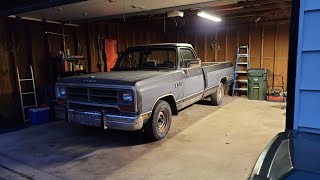
Dodge D150 (1977-1987) Engine Valve Cover Gasket Replacement Guide
Stop that oil leak and burning smell with the right valve cover gasket for your classic Dodge truck.
- The number one cause of a new leak is an over-tightened, warped valve cover; flatten the bolt holes before installation.
- Choose your gasket material wisely: cork for budget, composite for durability, and reusable silicone for performance and convenience.
- Do not over-tighten the valve cover bolts. The torque spec is very low (around 85 inch-pounds).
- Oil leaks are common on these trucks, but there are no official recalls for this specific issue.
Is Your D150's Valve Cover Gasket Failing?
An oil leak from the valve cover is one of the most common issues on these classic Dodge trucks. The original gaskets become hard and brittle from years of engine heat, eventually losing their ability to seal properly. Here are the tell-tale signs that it's time for a replacement:
🎬 Watch: Step-by-step valve cover gasket replacement for D150 318 engines- Burning Oil Smell: This is the most common symptom. Oil drips from the valve cover onto the hot exhaust manifold and burns off, creating a distinct smell that often finds its way into the cab.
- Visible Oil Leak: You'll see oil and accumulated grime along the edge of the valve cover where it meets the cylinder head. Over time, this can lead to drips on the ground.
- Smoke from the Engine Bay: If the leak is significant, you may see light smoke coming from under the hood as the oil burns off the engine.
- Low Engine Oil Level: A steady leak will cause your oil level to drop between changes. Running an engine low on oil can lead to catastrophic damage.
A Common Mistake Causes Repeat Leaks
The most frequent reason a new valve cover gasket leaks is due to the valve cover itself. The stock valve covers on D150s are made of stamped steel. Over-tightening the bolts causes the metal around the bolt holes to bend downwards, creating high and low spots that the gasket can't seal. Before installing a new gasket, place the cover on a flat surface and use a hammer and a small block of wood to gently tap the bolt holes flat again. 🎬 See how to properly straighten a warped stamped steel cover This step is critical for a leak-free seal.
Choosing the Right Aftermarket Gasket: Cork vs. Rubber vs. Silicone
You have three main material choices for your D150's valve cover gaskets. Original gaskets were typically cork, but modern materials offer better durability.
- Good: Cork Gaskets. These are the most affordable and were the original factory material. They can do a good job of sealing slightly imperfect surfaces on stamped steel covers. However, they are a one-time-use item and can dry out, crack, or become oil-saturated over time.
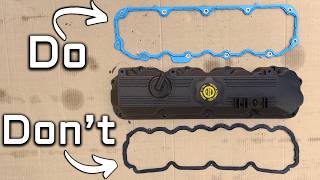
- Better: Cork-Rubber or Composite Gaskets. Brands like Edelbrock and Victor Reinz offer gaskets made from a blend of cork and rubber or a core-reinforced composite material. These are more durable and resistant to splitting than plain cork and offer a great balance of price and performance. 🎬 Watch this comparison of cork versus rubber gasket performance
- Best: Silicone Gaskets. These are the most durable and are often reusable, making them a great choice if you plan on adjusting your valves or removing the covers again. They are excellent at sealing, even on slightly warped surfaces, and are highly resistant to heat and oil. Brands like Cometic or Real Gaskets Tennessee specialize in these. Pro-Tip: Silicone gaskets must be installed completely clean and dry, with no additional sealant.
| Material | Pros | Cons | Best For |
|---|---|---|---|
| Cork | Inexpensive, good for original stamped covers | Dries out, cracks, single-use | Budget-conscious repairs, stock restorations |
| Cork-Rubber / Composite | Durable, good seal, resists splitting | More expensive than cork | A reliable, long-term street repair |
| Silicone | Reusable, excellent sealing, long-lasting | Highest cost, requires perfectly clean surfaces | Performance use, owners who do frequent maintenance |
Frequently Asked Questions
Do I need to use RTV sealant with my new gasket?
It depends on the gasket type. Silicone gaskets should be installed dry. For cork or cork-rubber gaskets, some mechanics apply a very thin layer of sealant to hold the gasket to the valve cover during installation, but the side that mates to the head should be clean and dry. Using too much sealant can cause it to squeeze into the engine and clog oil passages.
How tight should the valve cover bolts be?
Not very tight! The specification is typically around 85 inch-pounds, which is just a little more than snug with a small 1/4-inch drive ratchet. Over-tightening is the main cause of warped covers and new leaks. Tighten the bolts in a sequence starting from the center and working your way outwards.
Are there any recalls on the D150 for valve cover leaks?
No. Searches of the National Highway Traffic Safety Administration (NHTSA) database show no recalls related to valve cover gaskets for the 1977-1987 Dodge D150.
Should I buy a cheap gasket set?
While tempting, this is a part where quality matters. A cheap, poorly made gasket can fail quickly, forcing you to do the job all over again. Reputable brands like Victor Reinz, Edelbrock, or Mr Gasket offer better materials and a more reliable seal for a modest price increase.
Helpful Videos
Technical Specifications
Gasket material varies by brand and includes cork, cork-rubber composite, and silicone. Gaskets are specific to the engine (Slant-6, 318 V8, 360 V8).
We Have This Part in Stock


The information in this article is provided for general reference and educational purposes only. Vehicle specifications, procedures, and part compatibility can vary by production date, trim level, and region. Always consult your vehicle's factory service manual and verify part numbers before purchasing or performing repairs. Safety-critical components such as airbags, seat belts, and braking systems should be installed by a qualified professional.