

Dodge W150 Engine Coolant Bypass Hose Guide (1977-1988)
A failing engine coolant bypass hose is a small part that can cause major engine problems for your classic Dodge truck.
- A leaking coolant bypass hose is a critical failure; stop driving to prevent engine damage.
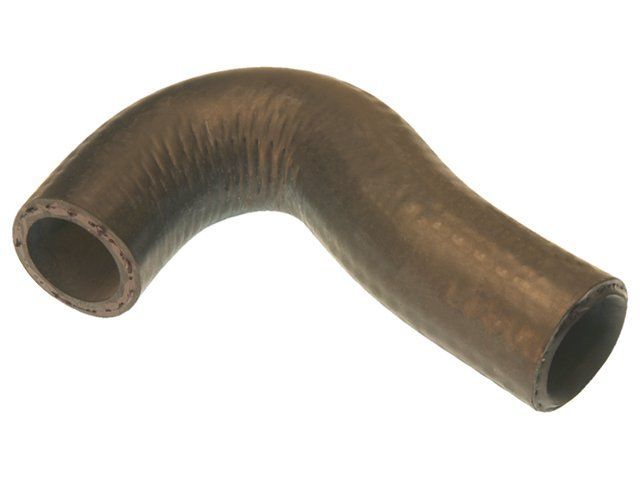
- Always use a pre-formed, molded hose for this repair; a straight hose can kink and fail.
- Reputable aftermarket brands like Gates, Dayco, and ACDelco offer reliable replacements.
- It is best practice to replace all coolant hoses, clamps, and the thermostat at the same time for long-term reliability.
Signs of a Failing Coolant Bypass Hose
The rubber on your 1977-1988 Dodge W150 is getting old. Hoses are a common failure point that can lead to serious engine trouble. Keep an eye out for these symptoms:
- Coolant Leaks: This is the most obvious sign. You may see puddles of green, yellow, or pink fluid under the front of your truck. The bypass hose is located at the top front of the engine, near the water pump and alternator, so leaks often drip down the front of the engine block.
- Visible Hose Damage: Inspect the hose for cracks, splits, bulging, or a soft, spongy feeling. Over time, the rubber degrades from heat and pressure. A hose that looks swollen or has hardened is likely to fail soon.
- Engine Overheating: A significant leak in the bypass hose will cause a loss of coolant, leading to your engine temperature gauge climbing into the red. Ignoring this can cause severe engine damage, like a blown head gasket.
- Sweet Smell: If you smell something sweet, like maple syrup, coming from your engine bay, it's likely burning coolant that has leaked onto hot engine parts.
- Sludge Buildup: A slow leak from the bypass hose can mix with dirt and oil, creating a greasy sludge on the front of the engine, particularly around the water pump and timing cover area.
A Small Leak is a Big Deal
Do not ignore a coolant leak, no matter how small. A slow drip can suddenly turn into a major failure, leaving you stranded with an overheated engine and facing expensive repairs. Addressing a failing hose is a cheap and easy way to prevent catastrophic engine damage.
Choosing the Right Aftermarket Hose
For a classic truck like the 1977-1988 Dodge W150, original equipment manufacturer (OEM) parts are often discontinued and no longer available. Fortunately, several reputable aftermarket brands produce high-quality replacement bypass hoses that meet or exceed original specifications. All the brands listed are reliable choices for this application.
Brand Options:
- Gates: Often considered a top-tier aftermarket brand for belts and hoses. Gates hoses are known for their durability and proper fit. They are engineered to resist electrochemical degradation, which is a leading cause of hose failure. Many professional mechanics prefer Gates due to their consistent quality and accurate cataloging.
- Dayco: Another well-respected brand that produces reliable coolant hoses. Some users in forums have noted that Dayco hoses can occasionally have fitment issues compared to Gates, but for a common application like this, they are generally a solid, budget-friendly choice.
- ACDelco: While often associated with GM vehicles, ACDelco offers a line of professional, premium aftermarket parts for many makes and models, including a bypass hose for the Dodge W150. They are known for providing dependable performance.
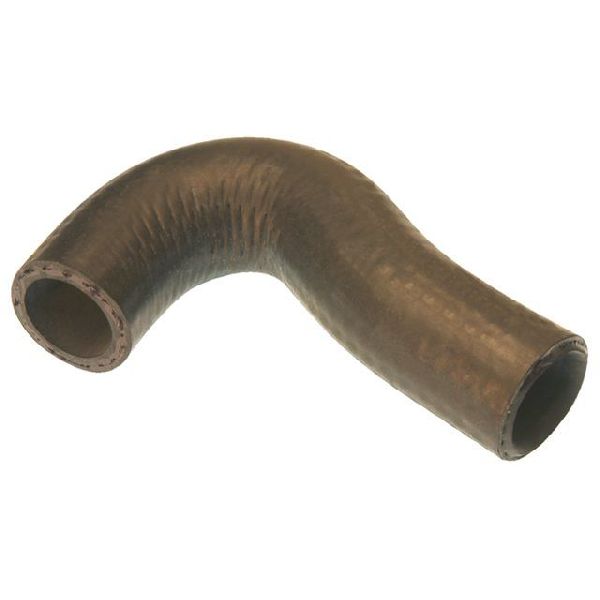
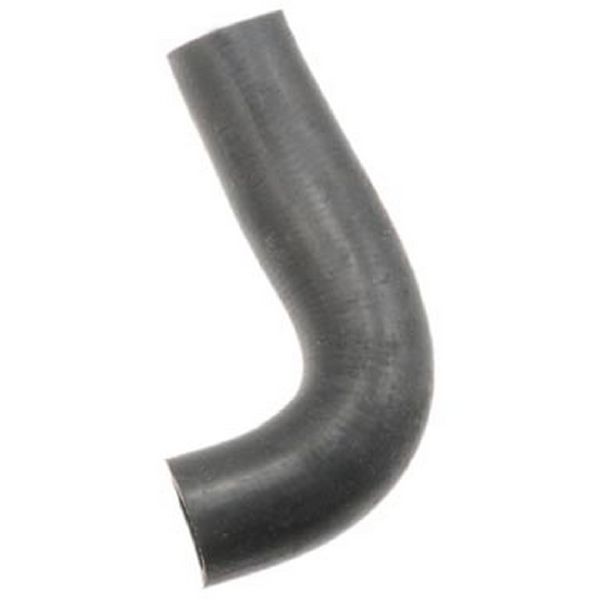
Pro Tip: Always use a molded hose for this application. A generic, straight piece of hose will not have the correct bends and can kink, restricting coolant flow and leading to premature failure. Also, it's highly recommended to replace the hose clamps every time you install a new hose.
Known Issues, Recalls, or TSBs
No recalls or Technical Service Bulletins (TSBs) were found specifically for the engine coolant bypass hose on the 1977-1988 Dodge W150. Coolant leaks on these trucks are most commonly due to age-related failure of components like hoses, the radiator, or the water pump.
Cost of Replacement
The Engine Coolant Bypass Hose is an inexpensive part, but ignoring it can lead to costly engine repairs. Here is a breakdown of what to expect.
| Item | Estimated Cost |
|---|---|
| New Aftermarket Hose | $20 - $82 |
| Shop Labor | $100 - $200 |
| Total Professional Replacement | $120 - $282 |
Costs are estimates and may vary based on your location, the specific parts chosen, and the condition of your vehicle.
Frequently Asked Questions (FAQ)
Is replacing the bypass hose a DIY job?
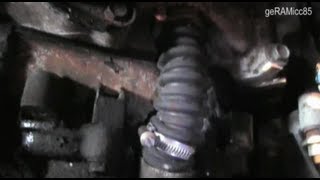
Yes, for most owners with basic hand tools, this is a very feasible DIY repair. 🎬 See how to drain the radiator and replace the bypass hose. Access is generally good on these older trucks. The job involves draining some coolant, removing two clamps, swapping the hose, and then refilling and bleeding the coolant system. However, on some engine configurations, the alternator or A/C compressor bracket may need to be loosened or removed for access.
🎬 Watch this guide on removing the alternator to access the hose.Should I replace other parts at the same time?
Absolutely. If the bypass hose has failed due to age, it's very likely that your other coolant hoses (upper and lower radiator hoses, heater hoses) are also near the end of their life. It is highly recommended to replace all coolant hoses at the same time. While you're at it, inspect the serpentine or V-belts, thermostat, and water pump for wear or leaks.
What kind of coolant should I use in my Dodge W150?
For these classic trucks, a conventional "green" ethylene glycol-based coolant is the standard recommendation. Always mix it 50/50 with distilled water. Check your owner's manual or a reliable service manual for the exact coolant capacity and specifications.
What happens if I don't replace a leaking bypass hose?
Ignoring a leak will lead to a low coolant level, which will cause the engine to overheat. Continued overheating can warp cylinder heads, blow a head gasket, or even seize the engine entirely. The cost of these repairs can be thousands of dollars, compared to the low cost of replacing a hose.
Helpful Videos
Technical Specifications
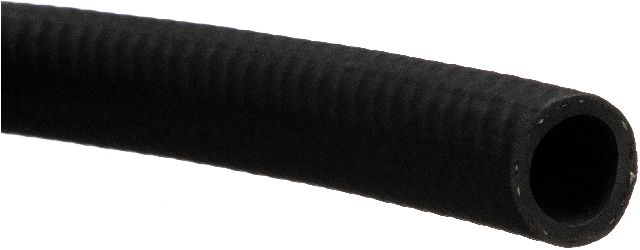
Material: EPDM Rubber; End 1 Inside Diameter: 1 Inch; End 2 Inside Diameter: 1 Inch; Centerline Length: 6.5 Inches.
We Have This Part in Stock

The information in this article is provided for general reference and educational purposes only. Vehicle specifications, procedures, and part compatibility can vary by production date, trim level, and region. Always consult your vehicle's factory service manual and verify part numbers before purchasing or performing repairs. Safety-critical components such as airbags, seat belts, and braking systems should be installed by a qualified professional.