

Choosing the Right Front Disc Brake Caliper for Your 1978-1982 Buick Century
Everything you need to know before replacing a sticking or leaking front brake caliper on your classic Century.
- For this vehicle, 'new aftermarket' usually means a remanufactured caliper, which is the industry standard and a reliable choice.
- Always replace calipers in pairs (both front wheels) to maintain safe, even braking.
- Common failure symptoms are pulling to one side, a spongy pedal, fluid leaks, and a burning smell from the wheel area.
- Premium brands like Raybestos and ACDelco often use coatings to prevent rust and may be worth the extra cost over basic remanufactured units.
Signs of a Failing Brake Caliper on Your Buick Century
On a classic car like the 1978-1982 Century, caliper failure is usually due to age. Rust can cause the piston to seize in its bore, or old rubber seals can crack and leak. Here’s what to look and feel for:
- Pulling to One Side: If the car sharply pulls left or right when you brake, it often means one caliper is working harder than the other. If it pulls while driving, a caliper might be stuck and not releasing the brake pad.
- Spongy Brake Pedal: A soft or mushy feeling pedal that goes closer to the floor than usual can be caused by a leaking caliper letting air into the brake lines.
- Brake Fluid Leaks: Puddles of clear or brownish fluid near a front wheel are a sure sign of a leak, often from a bad piston seal or bleeder screw.
- Burning Smell: A hot, acrid smell coming from a wheel after a drive points to a seized caliper that is keeping the brake applied, causing extreme heat. You may also feel excessive heat radiating from the wheel.
- Uneven Brake Pad Wear: When you inspect your brake pads, if the inner pad is much more worn than the outer pad (or vice-versa), it's a classic symptom of a sticking caliper or seized slide pins.
Known Vehicle Issue: Rear Brake Recall
While this guide focuses on front disc calipers, be aware that General Motors issued recalls in 1985 and 1986 for 1978-1982 Buick Century models concerning the rear drum brakes. The issue involved a part that could allow the rear wheel cylinder to rotate, potentially causing a loss of brake fluid and rear braking ability. While any affected car should have been fixed decades ago, it highlights the importance of inspecting your entire brake system.
Choosing the Right Aftermarket Caliper
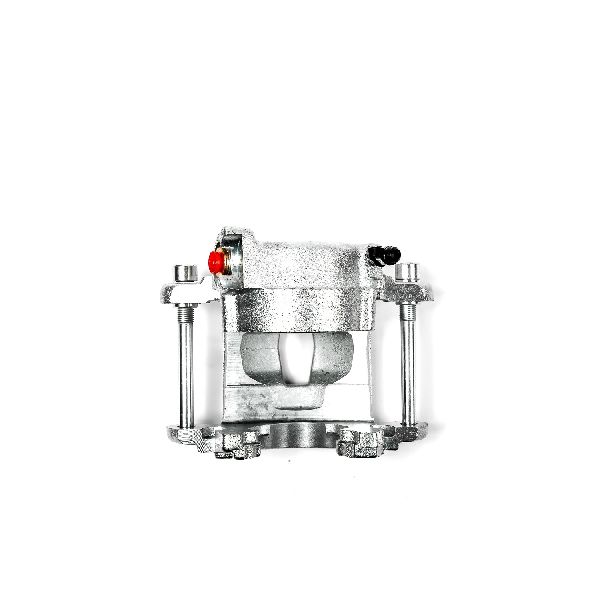
For a vehicle from this era, you won't find new OEM calipers from GM. The market consists of "remanufactured" and "new" aftermarket parts. Don't be afraid of remanufactured; it's the industry standard. A quality remanufactured caliper uses the original factory casting (the main body), which is cleaned and inspected, then rebuilt with all-new seals, pistons, and hardware.
Brand Quality Tiers
Your choice of brand often comes down to budget and confidence in the remanufacturing quality.
- Premium Aftermarket (Raybestos, ACDelco Professional, Powerstop): Brands like Raybestos (Element3) and ACDelco's professional line are highly regarded. They often feature protective coatings to prevent rust and come with all necessary new hardware. In some cases, the premium Raybestos and ACDelco parts are identical, made in the same factory. Powerstop is a good choice if you want a performance look (often painted red) and are buying a complete kit with rotors and pads.
- Standard Aftermarket (Cardone, BBB Industries, Dynamic Friction): Cardone is one of the largest remanufacturers, and you'll find their products everywhere. They are a reliable, budget-friendly choice. Opt for their "Ultra" series if available, as it includes a premium protective coating. BBB Industries and Dynamic Friction are also solid standard-level choices.
Pro Tip: Aftermarket calipers for your Century are often sold as "semi-loaded" (caliper and hardware) or "fully loaded" (caliper, hardware, and brake pads). If your pads are also due for replacement, a fully loaded caliper can save time and ensure compatibility.
Estimated Replacement Costs
The cost for a 1978-1982 Buick Century front caliper varies by brand and whether it includes a refundable core charge. A core charge is a deposit you pay until you return your old caliper.
| Part Type | Estimated Price Range | Notes |
|---|---|---|
| New Aftermarket Caliper | $50 - $135 | Price per caliper. Often includes hardware. May not require a core charge. |
| Remanufactured Caliper | $35 - $90 | Price per caliper. Most common option. Usually requires a core charge. |
| Shop Labor | $100 - $200 | Per side. Includes installation and bleeding the brake system. |
Frequently Asked Questions
Should I replace calipers in pairs?
Yes, it is highly recommended. Calipers should always be replaced in pairs (both front left and front right) to ensure even braking performance and prevent pulling. Since they are the same age, if one has failed, the other is likely not far behind.
What is a "core charge"?
A core charge is a deposit paid when you buy a remanufactured part. The "core" is your old, rebuildable caliper. You get the deposit back when you return your old part to the seller. This is how the supply of calipers for remanufacturing is maintained.
Do I need special tools to replace a brake caliper?
You will need a basic socket set, a C-clamp or caliper piston tool to compress the piston, and a wrench for the brake line fitting. The most critical part is having a brake bleeding kit (or a helper) to properly bleed the air out of the system after installation. Failure to bleed the brakes correctly will result in a spongy pedal and unsafe braking.
What is the difference between a floating and fixed caliper?
Your Buick Century uses a floating (or sliding) caliper design. This type has one or two pistons on the inboard side and slides on pins or bolts to apply even pressure to both brake pads. Seized slide pins are a common cause of uneven pad wear and caliper-like symptoms. Always clean and lubricate the slide pins during a brake job.
Technical Specifications
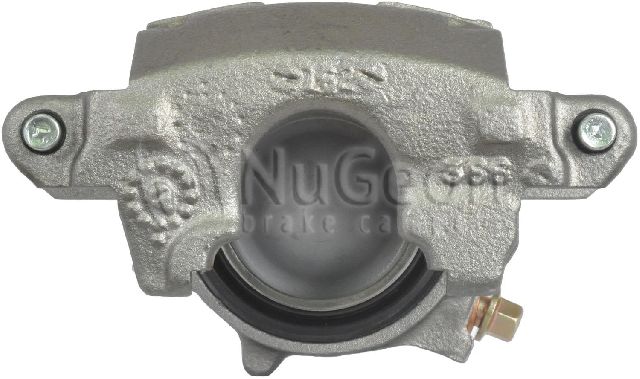
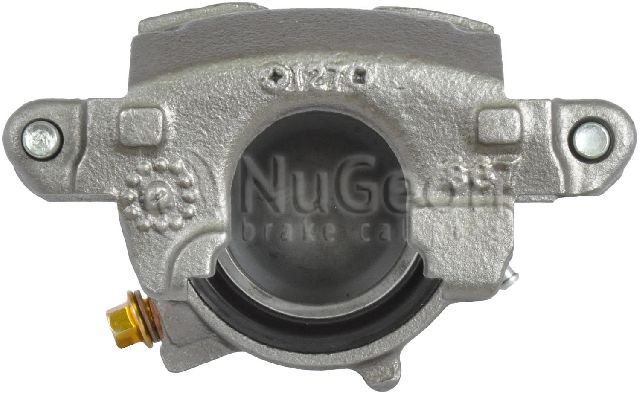
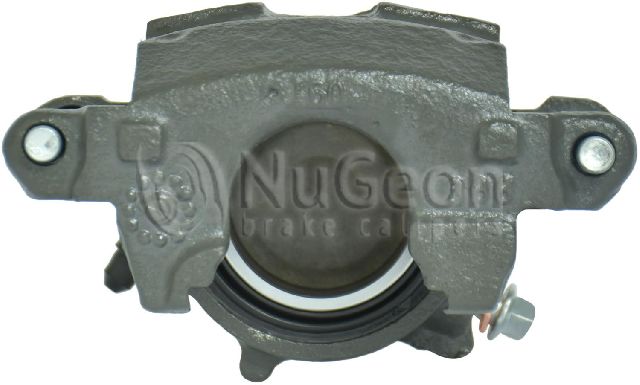
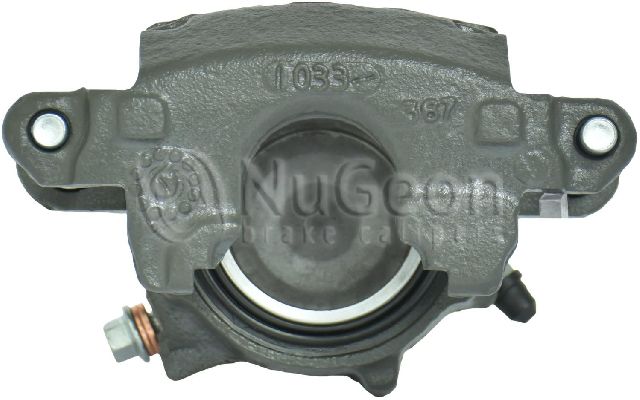
The 1978-1982 Buick Century uses a single-piston, floating front disc brake caliper. Ensure the replacement part is specified for the correct side (driver or passenger) as they are not interchangeable.
We Have This Part in Stock


The information in this article is provided for general reference and educational purposes only. Vehicle specifications, procedures, and part compatibility can vary by production date, trim level, and region. Always consult your vehicle's factory service manual and verify part numbers before purchasing or performing repairs. Safety-critical components such as airbags, seat belts, and braking systems should be installed by a qualified professional.