

Dodge Magnum Power Steering Pump: A Comprehensive Guide for 1978-1979 Owners
Everything you need to know about keeping your classic Magnum's steering smooth and responsive.
- The Dodge Magnum was only made in 1978 and 1979; parts for other years will not fit.
- Most available aftermarket pumps are remanufactured; check for a good warranty.
- Common failure symptoms include whining noises, stiff steering, and fluid leaks.
- Flushing the old fluid and bleeding the air from the new system are critical for a successful replacement.
Understanding the Power Steering System in Your Classic Magnum
The Dodge Magnum, produced for the 1978 and 1979 model years, uses a traditional hydraulic power steering system. This system is straightforward but relies on the power steering pump to function correctly. As these vehicles age, the pump is a common wear item. When it's time for a replacement, you'll find aftermarket options are the most common choice. This guide will walk you through symptoms, part selection, and what to expect when replacing the pump on your classic Mopar.
Is it a New or Remanufactured Part?
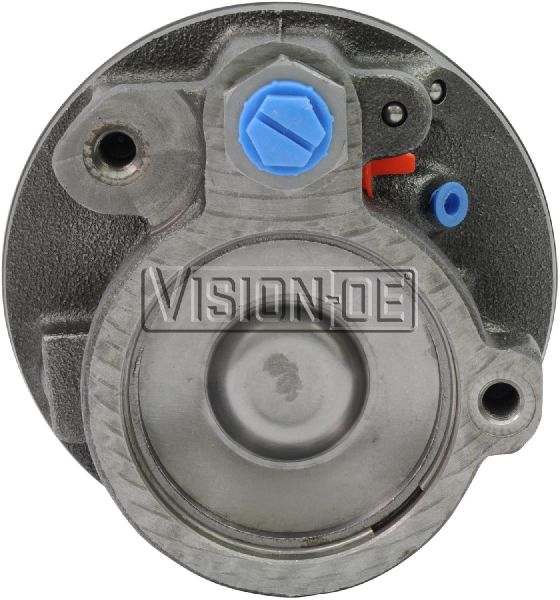
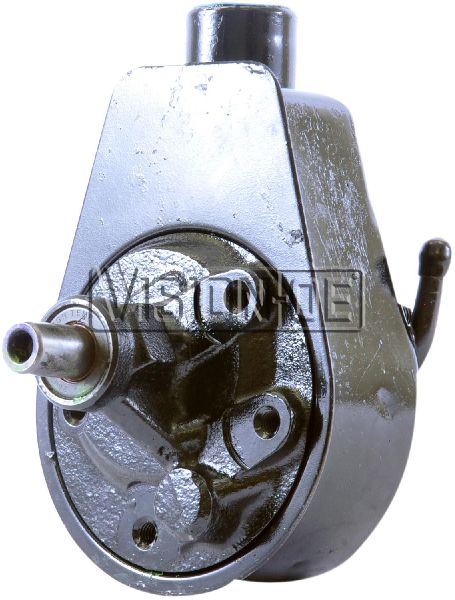
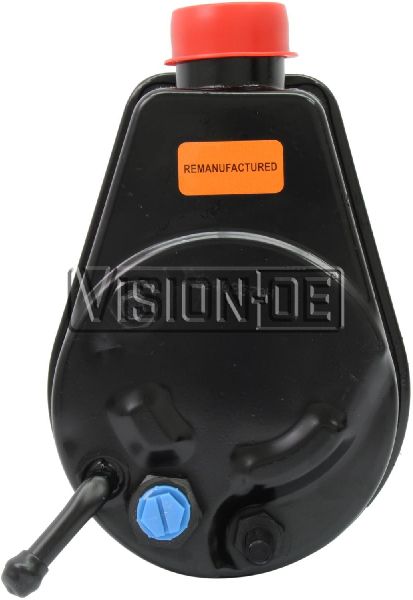
While the goal is always to get a "new" part, for a vehicle from the late 1970s, most aftermarket power steering pumps, including those from brands like BBB Industries, are technically "remanufactured." This means an original part (a "core") has been taken, disassembled, cleaned, inspected, and rebuilt with new seals, O-rings, and other components that wear out. When done correctly, a remanufactured pump can offer reliable, like-new performance. The key is the quality of the remanufacturing process.
No Specific Recalls or Bulletins Found
Searches of the National Highway Traffic Safety Administration (NHTSA) database and other technical resources show no active recalls or widespread Technical Service Bulletins (TSBs) specifically for the power steering pump on the 1978-1979 Dodge Magnum. Any issues you encounter are likely due to the age and normal wear and tear of the original components.
Choosing the Right Aftermarket Pump
For the '78-'79 Magnum, BBB Industries is a readily available brand. Customer feedback on remanufactured parts in general can be mixed. Some users report good experiences and long life, while others have experienced premature failures. This is often the reality with remanufactured components for vintage cars. The most important factor is the warranty. Ensure the part you buy has a solid warranty policy. Since finding a true new-old-stock (NOS) Mopar pump is nearly impossible and very expensive, a quality remanufactured unit is the standard repair choice.
Pro Tip: Don't Forget the Fluid!
Using the correct fluid is critical. While some older Mopar vehicles used Automatic Transmission Fluid (ATF), it's best to use a fluid specifically designated as "Power Steering Fluid" for classic Chrysler products. Using the wrong fluid can cause noise, damage seals, and lead to premature failure of your new pump. Always flush the old fluid completely from the system before installing a new pump.
| Item | Estimated Cost |
|---|---|
| New Aftermarket Pump (Remanufactured) | $84 - $90 |
| Shop Labor | $171 - $251 |
| Total Estimated Cost | $255 - $341 |
Frequently Asked Questions (FAQ)
What are the most common signs my pump is failing?
The most common symptoms are a whining or groaning noise that gets louder when you turn the steering wheel, a stiff or hard-to-turn wheel, and visible power steering fluid leaks from the front of the engine.
Do I need to replace the pulley?
Usually, no. Most replacement pumps for this vehicle do not come with a new pulley. You will need to use a special power steering pulley remover/installer tool to safely transfer the pulley from your old pump to the new one. Do not use a standard jaw puller, as it can damage the pulley or the pump.
Can I replace the power steering pump myself?
Yes, this is a feasible DIY job for someone with moderate mechanical skill. It requires basic hand tools, a pulley remover/installer kit, and a drain pan. The most critical steps are safely transferring the pulley and properly bleeding all the air out of the system after installation to prevent noise and damage to the new pump.
Why did my new pump fail so quickly?
If a replacement pump fails soon after installation, it could be due to a few reasons. First, metal shavings or other debris from the old failing pump may have been left in the system, which can quickly destroy the new pump. This is why flushing the system is critical. Second, a problem elsewhere, like a blockage in the steering gear, can put extreme pressure on the pump, causing it to overheat and fail. Finally, as with any remanufactured part, there is a small chance of a manufacturing defect.
Technical Specifications
Housing Material: Cast Iron. Pulley Attachment: Press-On. Reservoir Included: No. Pulley Included: No.
We Have This Part in Stock

The information in this article is provided for general reference and educational purposes only. Vehicle specifications, procedures, and part compatibility can vary by production date, trim level, and region. Always consult your vehicle's factory service manual and verify part numbers before purchasing or performing repairs. Safety-critical components such as airbags, seat belts, and braking systems should be installed by a qualified professional.