

Ford Fiesta Brake Light Switch Guide: 1978-1986
A complete guide to diagnosing and replacing the brake light switch on your first-generation Ford Fiesta.
- A faulty brake light switch is a critical safety failure; replace it immediately.
- Symptoms are straightforward: brake lights either don't work or stay on constantly.
- For this classic Fiesta, a quality aftermarket brand like Standard Ignition is the best and only practical option.
- Replacement is a simple, low-cost DIY job that most owners can perform in under 30 minutes.
Understanding the Brake Light Switch in Your Classic Fiesta
The brake light switch in your 1978-1986 Ford Fiesta is a straightforward mechanical part. Because of its constant use every time you brake, the internal contacts or the spring mechanism can wear out over time. A failure is not just an inconvenience; it's a serious safety hazard that makes your car illegal to drive. Fortunately, diagnosing and replacing this part is one of the easiest and most affordable repairs you can perform on your classic Ford.
Common Symptoms of a Failing Brake Light Switch
Diagnosing a bad brake light switch is usually simple. The issues are almost always directly related to the brake lights' operation. Look for these signs:
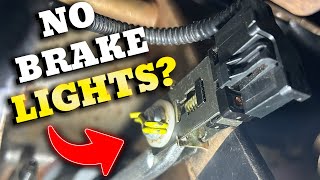
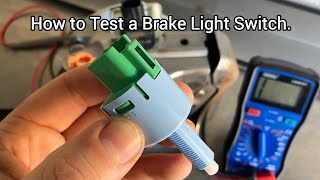
- Brake Lights Don't Work: The most common and dangerous symptom. If you've checked the bulbs and fuses and they are okay, the switch is the next logical culprit. 🎬 Watch: How to test and fix classic Ford brake switches.
- Brake Lights Stay On: If the switch fails in the 'on' position, it will keep the brake lights illuminated constantly. This can confuse other drivers and will drain your battery when the car is parked.
- Intermittent Brake Lights: The lights may flicker or only work some of the time when you press the pedal. This indicates the switch is worn and making a poor connection.
Choosing the Right Aftermarket Switch
For a vehicle from the 1978-1986 model years, finding a new original equipment (OEM) brake light switch from Ford is highly unlikely, as these parts have long been discontinued. The aftermarket is your primary source for a replacement.
OEM vs. Aftermarket Quality:
In this case, a quality aftermarket part is the only practical option. Brands like Standard Ignition (Standard Motor Products) specialize in producing replacement components that meet or exceed original specifications. They are a long-standing, reputable manufacturer in the auto parts industry, making their products a reliable choice for keeping your classic Fiesta on the road safely. Avoid unbranded, exceptionally cheap options, as they may use lower-quality materials that can lead to premature failure.
Cost of Replacing a Ford Fiesta Brake Light Switch
| Part Type | Part Cost | Notes |
|---|---|---|
| New OEM | Not Available | Original parts are no longer produced by Ford. |
| New Aftermarket (Recommended) | $26.51 | Based on Standard Ignition brand. The most practical choice. |
| Used OEM | $5 - $15 | Possible from a salvage yard, but not recommended due to age and wear. |
| Shop Labor | $50 - $100 | Typically less than one hour of labor. |
Frequently Asked Questions
Can a bad brake light switch drain my Fiesta's battery?
Yes. If the switch fails and gets stuck in the 'on' position, it will keep your brake lights illuminated even when the car is off, draining the battery overnight.
Where is the brake light switch located?
The brake light switch is located under the dashboard, mounted on the brake pedal support bracket. You will see it attached to the top of the brake pedal arm.
🎬 Watch: How to install a mechanical switch in classic cars.Is this a difficult repair to do myself?
No, this is a very beginner-friendly repair. It usually requires no special tools and can be done in under 30 minutes. 🎬 See this quick walkthrough of the switch replacement process. Accessing the switch under the dash is the most challenging part.
Do I need to adjust the new brake light switch?
Most switches for this vehicle are self-adjusting. When you install the new switch, pressing and releasing the brake pedal will typically set the plunger to the correct depth. Always test the lights after installation to ensure they turn on and off with minimal pedal travel.
Helpful Videos
Technical Specifications
OEM Part Numbers: D9FZ-13480-A E9ZZ-13480-A
The switch is a mechanical plunger-type switch, typically with two electrical terminals, mounted to the brake pedal bracket.
We Have This Part in Stock


The information in this article is provided for general reference and educational purposes only. Vehicle specifications, procedures, and part compatibility can vary by production date, trim level, and region. Always consult your vehicle's factory service manual and verify part numbers before purchasing or performing repairs. Safety-critical components such as airbags, seat belts, and braking systems should be installed by a qualified professional.