

Ford LTD Engine Coolant Temperature Sensor Guide (1978-1986)
Is your LTD running rough or showing strange temperature readings? Your coolant sensor could be the problem.
- Distinguish between the computer's sensor (ECT) and the gauge's sender; they are often separate parts on this LTD.
- A bad sensor impacts more than the gauge; it directly affects fuel economy and engine performance.
- For reliability, choose a premium aftermarket brand like NGK/NTK, Standard Ignition, or Delphi.
- Replacement is simple and can be done at home with basic tools on a cold engine.
Is My Coolant Temperature Sensor Failing?
A bad coolant sensor can cause problems that seem unrelated to engine temperature. Because it sends incorrect information to the car's computer, you might notice several issues. If the sensor incorrectly tells the computer the engine is always cold, the computer will keep adding extra fuel. This can lead to black smoke from the exhaust, poor fuel economy, and a rough idle. Conversely, if it sends a permanent 'hot' signal, the car might be hard to start when cold and could even overheat because the cooling fans don't turn on when needed. An erratic or non-moving temperature gauge on your dash is another classic sign.
Sender vs. Sensor: A Common Confusion
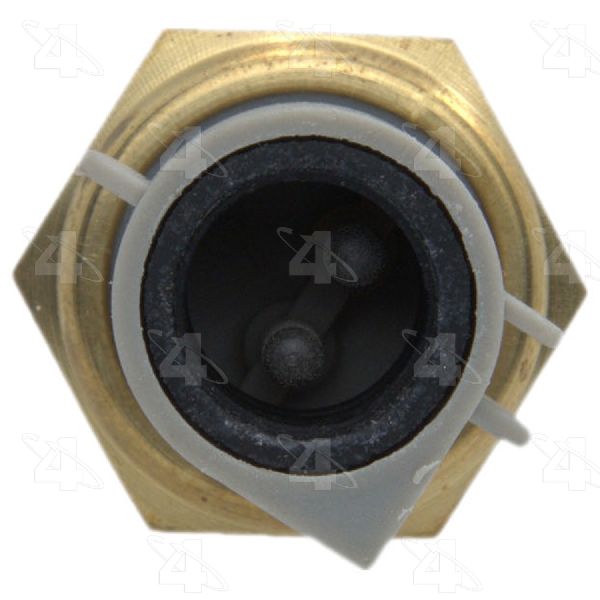
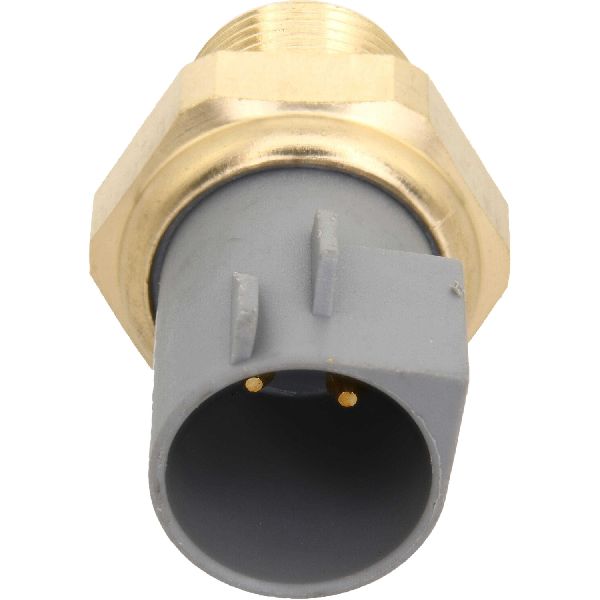
On older vehicles like the 1978-1986 Ford LTD, it's common to have two separate units. One is the Engine Coolant Temperature (ECT) Sensor for the computer, and the other is a Coolant Temperature Sending Unit for the dashboard gauge. The sensor for the computer often has a two-wire connector, while the sender for the gauge typically has a single spade or post connector. It's important to identify which one you need to replace, as a bad gauge sender won't cause engine performance issues, and a bad computer sensor won't necessarily make the gauge read incorrectly.
Choosing the Right Aftermarket Sensor
For a vehicle from this era, original Ford (Motorcraft) parts can be hard to find and expensive. Aftermarket brands are a practical and affordable choice. However, quality can vary. Forum discussions often highlight that for critical sensors, sticking with reputable brands prevents future headaches. Based on brand reputation and material quality, here is a breakdown of the available options.
Brand Quality Tiers
- Tier 1: Premium Quality (NGK, Standard Ignition, Delphi)
These brands are well-respected and often have OE (Original Equipment) heritage. NGK (under their NTK brand) and Standard Ignition are known for making sensors that meet or exceed original specifications, often using durable brass housings and ensuring correct thermistor placement for accurate readings. Delphi also has a strong reputation as an OE supplier, producing reliable and durable sensors. For a daily driver or if you want the most reliability, choosing from this tier is your best bet. - Tier 2: Standard Quality (Four Seasons, Holstein)
Four Seasons is a well-known aftermarket brand, particularly for cooling and A/C components. While generally considered a reliable choice for many parts, some users have reported mixed experiences. Holstein is a budget-friendly option that claims to use factories that also supply OE manufacturers and offers a good warranty. These brands offer a good balance of price and performance for most users. - Tier 3: Economy (Global Parts, True Tech)
These brands fall into the economy or value category. While they offer the lowest price point, there is less information available about their long-term reliability and performance compared to the more established brands. They can be a viable option for a budget repair, but be aware that with sensors, accuracy is key to proper engine function.
Pro Tip: When replacing the sensor, it's a good idea to drain a small amount of coolant first so it doesn't spill when you unscrew the old sensor. Always work on a cold engine to avoid burns and pressure release from the cooling system. Make sure the new sensor has thread sealant or an O-ring if required.
Cost of Replacing the Sensor
| Part Type | Cost Range |
|---|---|
| New Aftermarket Sensor | $12.13 - $56.45 |
| Shop Labor | $50 - $120 |
Frequently Asked Questions
Where is the coolant temperature sensor located on my 1978-1986 Ford LTD?
The location can vary depending on the engine (I6, V6, or V8). However, it is most commonly found threaded into the intake manifold, near the thermostat housing, or in one of the cylinder heads. Look for a small sensor with a one or two-wire electrical connector. The gauge sender is often nearby but will have a single wire.
Can I replace this sensor myself?
Yes, this is a very DIY-friendly job for most home mechanics. It typically requires only basic hand tools like a deep socket or wrench. The most important steps are to work on a cold engine and to have the new part ready to install quickly to minimize coolant loss.
What happens if I don't replace a bad sensor?
Driving with a bad ECT sensor is not recommended for long. It can lead to poor engine performance, terrible fuel mileage, and potentially cause more serious issues like engine overheating or damage to the catalytic converter from an overly rich fuel mixture.
Are there any recalls for the coolant sensor on my Ford LTD?
Searches of the National Highway Traffic Safety Administration (NHTSA) database and for Technical Service Bulletins (TSBs) did not reveal any specific recalls or widespread issues directly concerning the engine coolant temperature sensor for the 1978-1986 Ford LTD. Any cooling system TSBs found were for much newer Ford models.
Technical Specifications
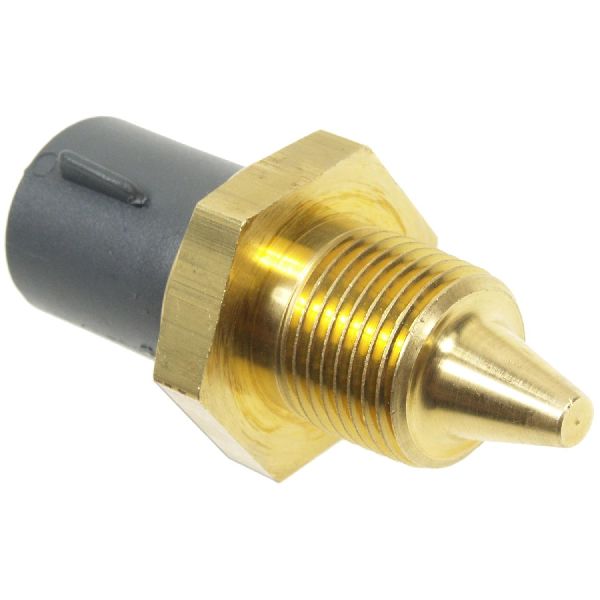
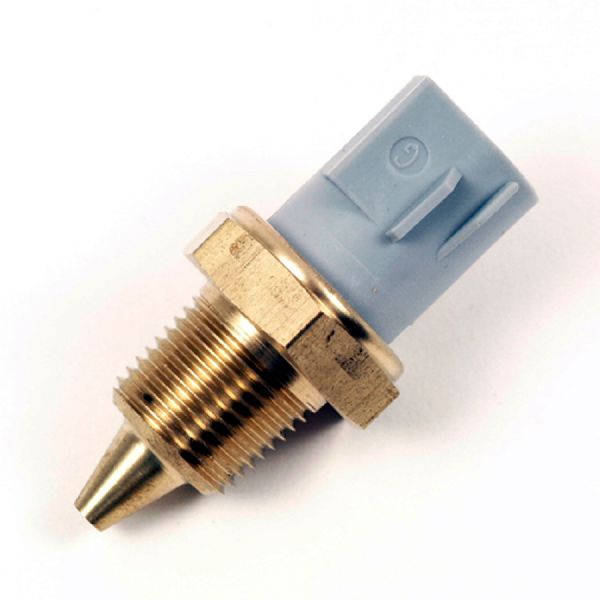
The sensor for the 1978-1986 Ford LTD will typically be a brass-bodied, threaded sensor. The computer (ECU) version usually has a 2-pin connector, while the gauge sending unit often has a single spade or threaded stud connector.
We Have This Part in Stock

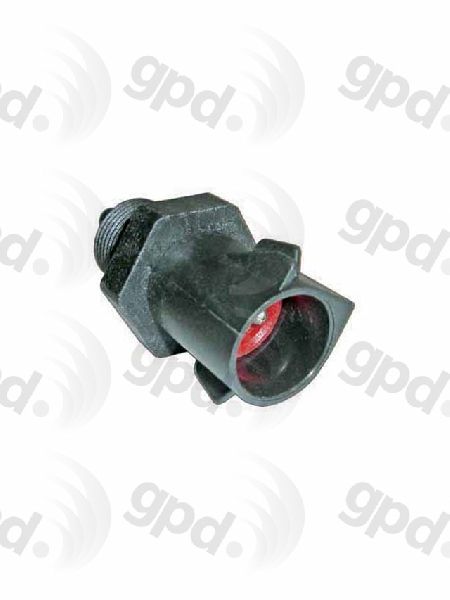

The information in this article is provided for general reference and educational purposes only. Vehicle specifications, procedures, and part compatibility can vary by production date, trim level, and region. Always consult your vehicle's factory service manual and verify part numbers before purchasing or performing repairs. Safety-critical components such as airbags, seat belts, and braking systems should be installed by a qualified professional.