

Engine Oil Pan Replacement Guide for the 1978-1987 GMC Caballero
A leaky oil pan can cause serious engine trouble for your classic Caballero, but finding the right replacement is straightforward.
- Replacement is a difficult job because the engine must be lifted several inches to allow the pan to clear the front crossmember.
- Before ordering, you must confirm your engine type (V6/V8) and dipstick location (driver or passenger side), as this changed around 1980.
- For a reliable seal, always use a modern one-piece rubber gasket instead of an older four-piece cork style.
- While the pan is off, it is a smart and cost-effective time to also replace the oil pump, pickup screen, and rear main seal if it's leaking.
Is Your Caballero's Oil Pan Failing?
On a classic vehicle like the Caballero, the original steel oil pan has been exposed to decades of moisture, road salt, and potential impacts. The most common reasons for replacement are simple: rust, physical damage, or stripped drain plug threads from years of oil changes.
First, Confirm the Leak Source
Before ordering a new pan, it's crucial to make sure the leak isn't coming from higher up on the engine. Oil from a bad valve cover gasket or rear main seal can run down the block and drip off the bottom of the oil pan, making it seem like the pan is the culprit. Clean the engine with a degreaser, drive it briefly, and then inspect to find the highest point of the fresh oil leak.
Symptoms of a Bad Oil Pan
- Oil Puddles: The most obvious sign is a puddle of dark brown or black oil on the ground where you park.
- Low Oil Warning Light: If the leak is severe, your oil level may drop enough to trigger the warning light on your dashboard. This indicates a dangerously low oil level that requires immediate attention.
- Burning Oil Smell: Oil dripping onto the hot exhaust crossover pipe will create a distinct and unpleasant burning smell.
- Visible Damage or Grime: A visual inspection might reveal a dented or heavily rusted pan. A slow leak will often be covered by a thick layer of oily dirt and grime.
Choosing the Right Aftermarket Oil Pan
Since original GM oil pans are generally no longer available, the aftermarket is your go-to source. For a daily driver or stock restoration, a standard replacement pan is perfectly adequate. For show cars or performance builds, you have more options.
Standard Replacement Brands
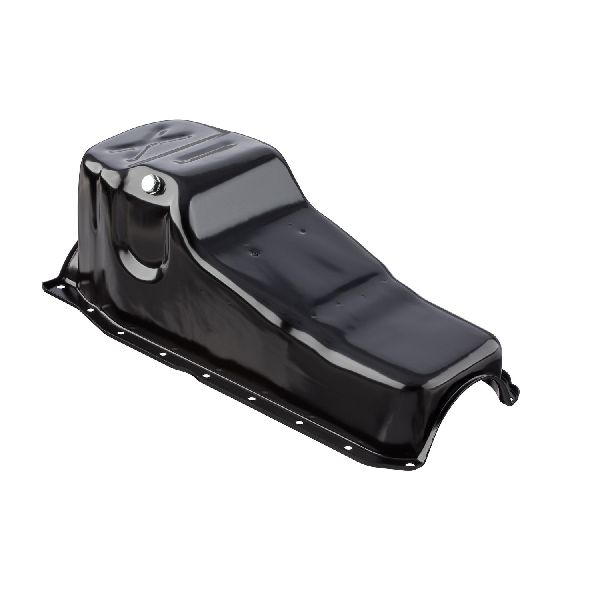
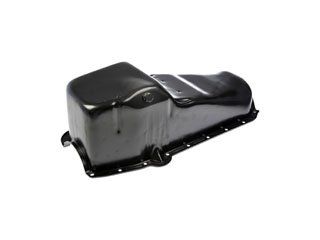
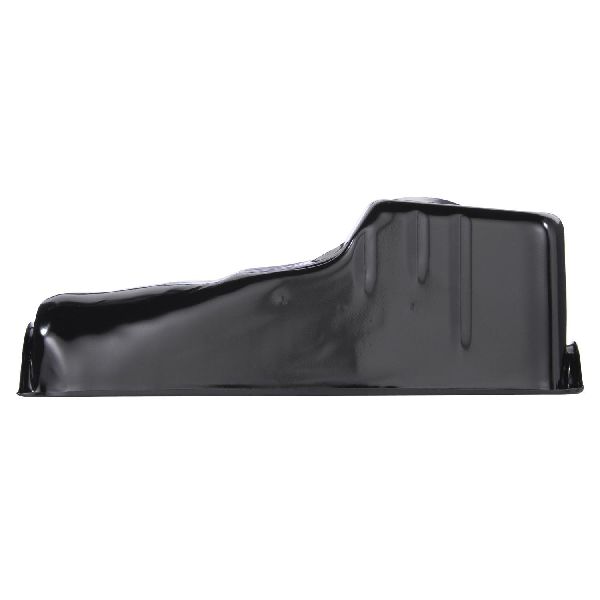
These brands offer direct-fit, OEM-style stamped steel oil pans. They are designed to match the original specifications for capacity and fitment. For most owners, these are the most practical and cost-effective choice.
- Dorman: A widely available and trusted brand for replacement parts. They often offer a lifetime warranty and are known for good fitment.
- Spectra: Another popular choice, often compared directly with Dorman. Quality is generally considered similar, so choosing based on price or availability is common.
- ATP & Pioneer Automotive: These brands are also known for quality replacement parts. Some users report that their pans feel like they are made from a heavier gauge steel than other brands.
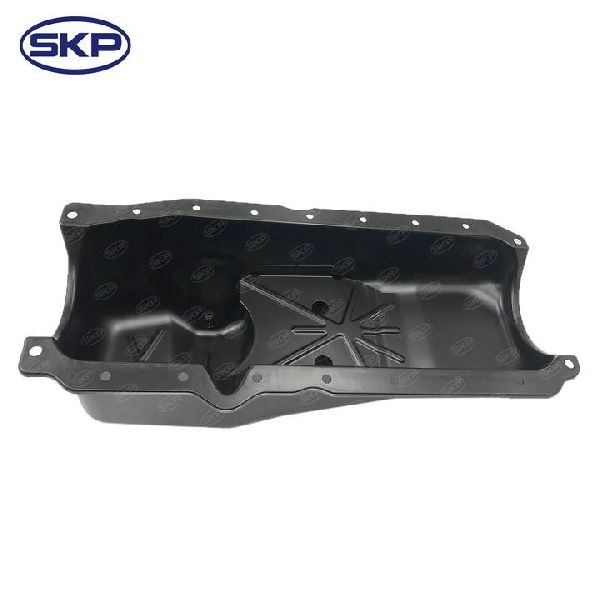
- Skyward: Offers standard replacement options that meet OEM specifications.
Performance & Custom Brands
These brands often provide pans with cosmetic or performance-oriented features. They are popular for custom builds and show cars.
- Mr. Gasket, Proform, Trans-dapt: These companies offer oil pans that are often chrome-plated or made from cast aluminum with fins for a custom look. While they look great, be aware that chrome pans can sometimes be more difficult to seal due to their slick surface. Some builders prefer to have an original steel pan chromed for a better seal.
Pro Tip: One of the most important choices you'll make is the gasket. Regardless of the pan you buy, use a modern one-piece rubber gasket. They provide a far superior, more reliable seal compared to the old multi-piece cork gaskets.
Cost to Replace a GMC Caballero Oil Pan
| Part Category | Estimated Cost |
|---|---|
| New Aftermarket Oil Pan | $65 - $138 |
| Shop Labor | $350 - $700 |
| Total Estimated Cost | $415 - $838 |
Cost estimates are for parts and labor and may vary based on your location and the specific rates of your auto shop.
Frequently Asked Questions (FAQ)
Do I need to lift the engine to replace the oil pan?
Yes, in almost all cases. The engine crossmember on the G-body platform sits directly under the oil pan, preventing it from being dropped straight down. You will need to unbolt the motor mounts and use an engine hoist to lift the engine a few inches to gain the necessary clearance. This makes it a difficult job for a beginner.
How do I know which pan fits my engine?
The most critical factors are your engine type (V6 or V8) and the year. Small Block Chevy V8s used in these vehicles had different oil pans depending on the year, primarily related to the rear main seal (2-piece vs. 1-piece) and the dipstick location. Small blocks switched to a passenger-side dipstick around 1980, while earlier models were on the driver's side. Always verify your specific engine's dipstick location before ordering.
What else should I replace at the same time?
Since you're going through the significant labor of removing the oil pan, it is highly recommended to replace the oil pump and the oil pump pickup screen. It's also the perfect time to replace a leaky rear main seal if needed. Always use a new oil pan gasket and a new drain plug/gasket.
Are chrome or aluminum pans better than steel?
Mostly for looks. A standard stamped steel pan is durable and seals well. Aftermarket chrome pans can sometimes be harder to seal because the gasket has trouble 'biting' into the slick surface. Cast aluminum pans look great and can help with cooling, but they are more brittle and can crack from an impact that would only dent a steel pan.
Technical Specifications
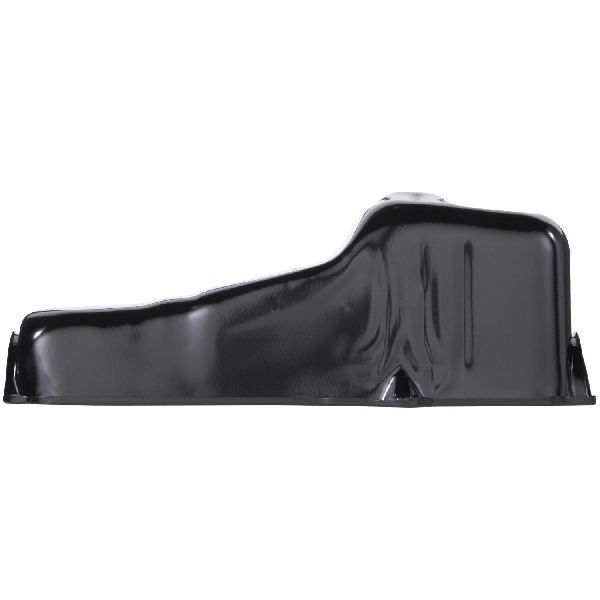
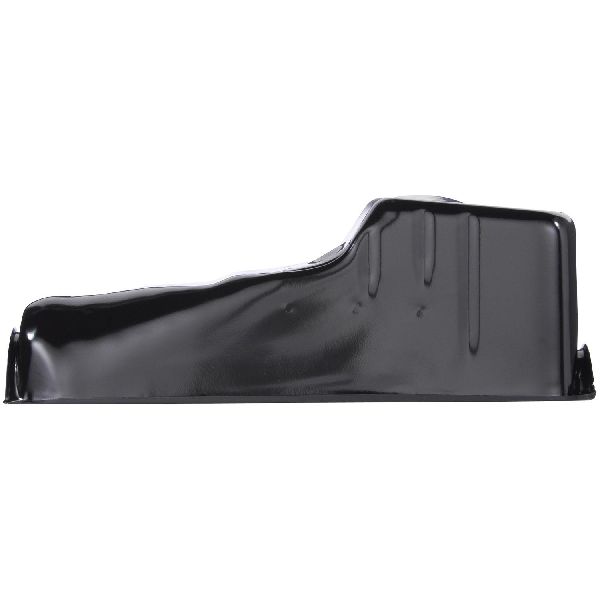
Material: Stamped Steel (most common), Cast Aluminum, Chromed Steel Capacity: Typically 4 or 5 quarts (stock) Sump Style: Rear Sump Key Variations: Engine Type (V6 vs. V8), Rear Main Seal Style (2-piece for pre-1986, 1-piece for 1986+), Dipstick Location (Driver-side for pre-1980, Passenger-side for 1980+).
We Have This Part in Stock

The information in this article is provided for general reference and educational purposes only. Vehicle specifications, procedures, and part compatibility can vary by production date, trim level, and region. Always consult your vehicle's factory service manual and verify part numbers before purchasing or performing repairs. Safety-critical components such as airbags, seat belts, and braking systems should be installed by a qualified professional.