

Guide to Engine Intake Manifold Gaskets for the 1978-1987 GMC Jimmy
Leaking coolant or a rough idle on your classic K5 Jimmy could point to a bad intake manifold gasket.
- Match the gasket ports to your engine and cylinder heads (stock vs. aftermarket).
- Symptoms include overheating, rough idle, and visible coolant leaks near the top of the engine.
- Many mechanics recommend using RTV sealant instead of the provided rubber/cork end seals for a better seal on V8 engines.
- This is an intermediate-level DIY job; it requires draining coolant and removing the distributor and carburetor/fuel injection system.
Is Your GMC Jimmy's Intake Gasket Failing?
A bad intake manifold gasket can cause problems that seem unrelated, but they often share common roots: leaks. Because these gaskets seal coolant, oil (on V8s), and air, a failure can show up in several ways. Be on the lookout for coolant leaks near the top of the engine, a rough or shaky idle, and poor acceleration. You might also notice your engine running hotter than usual or a sweet smell of burning coolant.
Don't Ignore a Leaking Gasket
A small coolant or vacuum leak can quickly become a major engine problem. An internal coolant leak can mix with your engine oil, turning it milky and leading to catastrophic bearing failure. A vacuum leak forces your engine to run lean (too much air), which can cause misfires and long-term damage.
Choosing the Right Aftermarket Gasket Set
For a 1978-1987 GMC Jimmy, you have several good aftermarket options. Original gaskets from this era were often made of basic composite or cork materials. Modern aftermarket gaskets offer superior materials and design. The most important factor is matching the gasket to your specific engine (e.g., 5.7L 350 V8) and cylinder heads (stock or aftermarket).
Aftermarket Brand Tiers for Your Jimmy
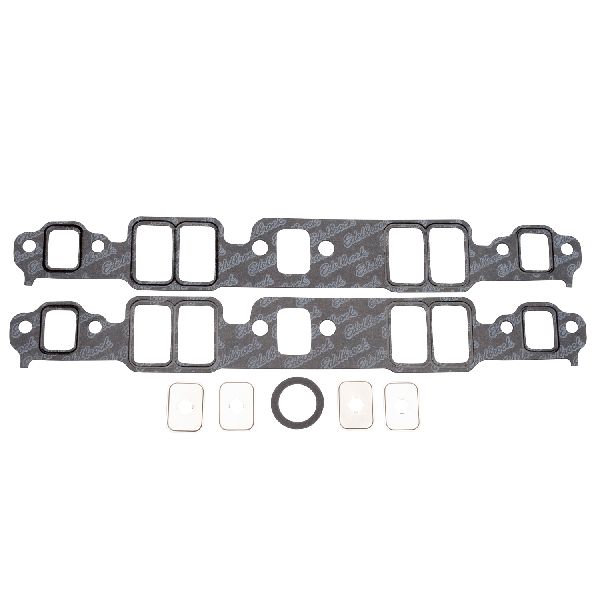
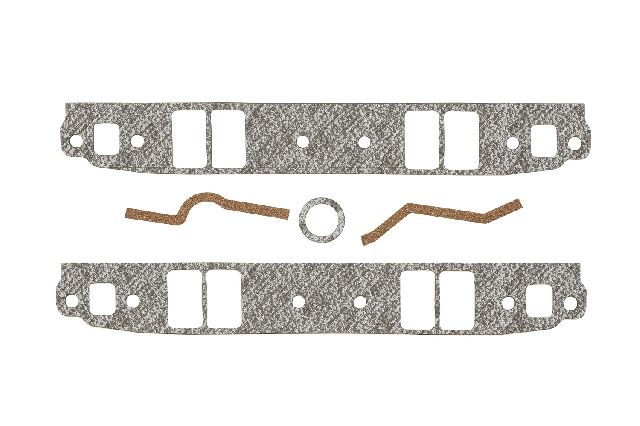
- Performance Tier (Edelbrock, Cometic, Mr. Gasket Ultra-Seal): These brands are designed for high performance and durability. Edelbrock gaskets are often recommended for use with their own popular aftermarket intake manifolds. However, ensure the port size matches your heads, as some performance gaskets have ports too large for stock heads, which can cause leaks. Cometic is known for high-quality, often multi-layer steel (MLS) gaskets that provide excellent sealing, though they can be more expensive. Mr. Gasket's "Ultra-Seal" line is considered a quality performance option, comparable to other top brands.
- OE-Quality Tier (Victor Reinz): Victor Reinz is a well-respected brand that often supplies original equipment manufacturers. Their gaskets are known for excellent fit and material quality, making them a reliable choice for a stock or lightly modified engine.
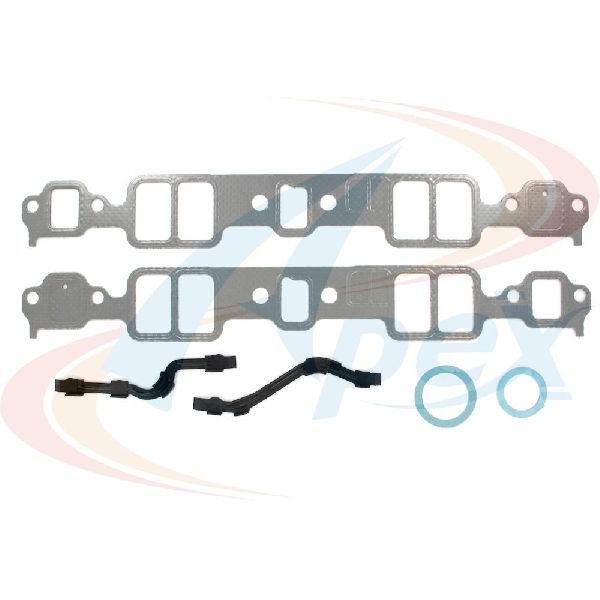
- Standard/Budget Tier (Apex): Apex is generally seen as a budget-friendly option. While some users report success, others have experienced issues with fitment or longevity compared to premium brands. For a critical component like an intake gasket, it's often worth spending a bit more for a proven brand.
Pro Tip: Ditch the End Seals
Most gasket sets for the small-block Chevy V8 come with cork or rubber end seals for the front and back of the block. Many experienced mechanics throw these away and instead apply a thick bead of high-quality RTV silicone sealant. This method often provides a more reliable, leak-free seal.
Known Issues, Recalls, and Service Bulletins
Searches for recalls and Technical Service Bulletins (TSBs) for the 1978-1987 GMC Jimmy did not reveal any specific issues directly related to the engine intake manifold gaskets. Most recalls for this generation pertain to seat belts, lamps, or brake components. Failures of this part are typically due to age, material degradation from modern coolants, and the high number of heat cycles over decades of use.
| Item | Estimated Cost |
|---|---|
| Aftermarket Gasket Set | $17 - $71 |
| Shop Labor | $350 - $600 |
| Total Professional Replacement | $367 - $671 |
Frequently Asked Questions
Do I need to drain the coolant to change the intake gasket?
Yes. The intake manifold on most V8 and V6 engines in this Jimmy has coolant passages running through it. You must drain the cooling system before removing the manifold to prevent coolant from spilling into the engine cylinders and lifter valley.
What else should I replace while I'm doing this job?
While the intake manifold is off, it's a great time to inspect and replace the thermostat and thermostat housing gasket. You should also consider replacing the distributor cap and rotor if they are worn, as the distributor must be removed for this job. An oil and filter change after the job is complete is highly recommended to remove any coolant that may have contaminated the oil.
Do I need a special tool to scrape the old gasket off?
A plastic or metal gasket scraper is essential. The mating surfaces on the cylinder heads and intake manifold must be perfectly clean and smooth for the new gasket to seal properly. Be careful not to gouge the aluminum or cast iron surfaces.
Is this a good DIY project for a beginner?
Replacing an intake manifold gasket is considered an intermediate to advanced job. It requires draining fluids, removing the carburetor/throttle body, fuel lines, distributor, and numerous other components. Following the correct bolt torque sequence during reinstallation is critical to prevent leaks. If you are not comfortable with these steps, it is best left to a professional.
Technical Specifications
Gasket sets vary based on the specific engine in your Jimmy (e.g., I6, 305 V8, 350 V8). Key differences include port shape and size, and whether the exhaust crossover is blocked or open. Performance gaskets may have larger ports intended for aftermarket cylinder heads.
We Have This Part in Stock


The information in this article is provided for general reference and educational purposes only. Vehicle specifications, procedures, and part compatibility can vary by production date, trim level, and region. Always consult your vehicle's factory service manual and verify part numbers before purchasing or performing repairs. Safety-critical components such as airbags, seat belts, and braking systems should be installed by a qualified professional.