

Engine Timing Cover Gasket Set Guide for the 1978-1987 GMC Jimmy
If you're seeing oil or coolant leaking from the front of your engine, this guide is for you.
- You must correctly identify your engine (I-6, V8, Diesel) before purchasing, as gasket sets are not interchangeable.
- The most common symptom of failure is an oil or coolant leak from the front of the engine.
- This is a labor-intensive job that requires a special tool (harmonic balancer puller) to complete.
- While the timing cover is off, it is highly recommended to also replace the timing chain and gears.
Is Your Jimmy's Timing Cover Gasket Failing?
The gaskets and seals on these classic GMC trucks eventually wear out due to age and heat. When the timing cover gasket fails, it can cause leaks that range from a minor annoyance to a major engine problem. Knowing the signs can help you catch the issue before it gets serious.
Key Symptoms of a Bad Gasket
- Oil Leaks: The most common sign is engine oil dripping from the front of the engine. You'll often see oil residue on the timing cover itself or a puddle on the ground directly under the main engine pulley (the harmonic balancer).
- Coolant Leaks: If your Jimmy has coolant passages in the timing cover, you might see coolant (often green or orange) leaking from the front of the engine. This can lead to overheating if not addressed.
- Milky Engine Oil: This is a critical symptom. If the gasket fails between an oil passage and a coolant passage, the two fluids will mix. Your engine oil will look like a chocolate milkshake. This can quickly destroy your engine, and the vehicle should not be driven.
Choosing the Right Aftermarket Gasket Set
When shopping for a replacement, you don't need to find a rare OEM part. Aftermarket brands offer a range of quality options that often meet or exceed original specifications. The key is to choose the right one for your engine and needs.
Brand Quality Tiers
- Premium Brands (Cometic, Edelbrock, SCE Gaskets): These brands are known for high-performance gaskets, often using advanced materials like Multi-Layered Steel (MLS) or proprietary composites. They offer the highest level of durability and sealing, making them a great choice for rebuilt engines, heavy-duty use, or for owners who want maximum peace of mind.
- OEM-Quality Brands (Victor Reinz): Victor Reinz is a well-respected brand that is often an original equipment supplier to many car manufacturers. Their gaskets are a reliable, high-quality choice for a standard replacement and are trusted by many professional mechanics.
- Standard/Value Brands (Apex, Trans-dapt): These brands provide a functional, cost-effective solution. While some forum users express hesitation with lesser-known brands for critical jobs, these gaskets are suitable for a stock vehicle under normal use, provided the surfaces are prepped correctly.
Replacement Cost
The cost to replace the timing cover gasket set varies based on whether you do it yourself or take it to a shop. The parts themselves are inexpensive, but the labor is what drives up the cost.
| Item | Estimated Cost |
|---|---|
| New Aftermarket Gasket Set | $12.64 - $77.02 |
| Shop Labor | $450 - $900 |
| Total Professional Replacement | $465 - $980 |
Cost estimates are for parts and labor and can vary by location and shop rates. Labor costs are high because of the time required to access the cover.
Frequently Asked Questions (FAQ)
Do I need special tools to replace the timing cover gasket?
Yes, most likely. The most important special tool you will need is a harmonic balancer puller. The large pulley on the front of the engine's crankshaft must be removed to get the timing cover off, and it is press-fit onto the crank. Attempting to remove it without a proper puller can cause significant damage.
Should I replace the timing chain and gears at the same time?
It's a very good idea. Since you've already done 90% of the labor to access the timing chain, replacing it is a smart move, especially if your engine has high mileage. A new chain and gears can restore timing accuracy and improve engine performance.
Can I just use RTV silicone instead of a gasket?
No, you should not use only RTV silicone in place of the main gasket. The gasket is designed to have a specific thickness. However, it is common practice to use a small dab of RTV silicone at the corners where the timing cover, engine block, and oil pan meet to prevent leaks at these joints.
Do I have to remove the oil pan to replace the timing cover?
Technically, the proper procedure on these engines often involves at least loosening the oil pan bolts to allow the pan to drop slightly. This provides clearance to properly install the bottom of the timing cover and its seal. Some mechanics have developed techniques to trim the new gasket or cover to avoid this, but it increases the risk of leaks if not done perfectly.
Technical Specifications
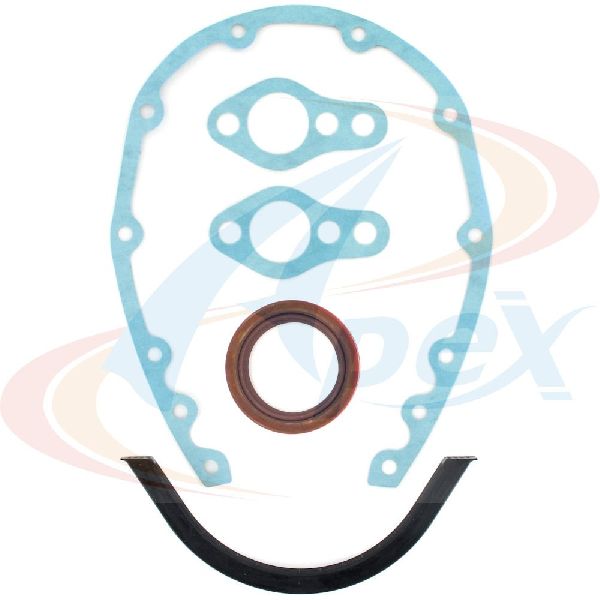
Gasket materials vary by brand and include traditional paper, cork-rubber composites, and modern Multi-Layered Steel (MLS). Sets typically include the main timing cover gasket, front crankshaft seal, and water pump gaskets.
We Have This Part in Stock


The information in this article is provided for general reference and educational purposes only. Vehicle specifications, procedures, and part compatibility can vary by production date, trim level, and region. Always consult your vehicle's factory service manual and verify part numbers before purchasing or performing repairs. Safety-critical components such as airbags, seat belts, and braking systems should be installed by a qualified professional.