

1979-1982 Dodge D50 Radiator Coolant Hose Replacement Guide
Keep your classic D50 running cool by learning to spot a bad radiator hose and choosing the right replacement.
- Radiator hoses fail due to age; inspect them for cracks, bulges, or a spongy feel.
- Driving with a bad hose can cause rapid overheating and catastrophic engine damage.
- Always replace both upper and lower hoses at the same time, along with new hose clamps.
- Use molded aftermarket hoses from reputable brands like Gates, Continental, or Dayco, as OEM parts are unavailable.
Signs of a Failing Radiator Hose
On a classic truck like the Dodge D50, rubber parts are often the first to fail due to age, heat, and pressure. A burst radiator hose can cause rapid coolant loss and lead to severe engine damage from overheating. Watch for these clear warning signs that your hoses need to be replaced.
- Coolant Leaks: This is the most obvious symptom. You may find puddles of green or yellow coolant under the front of your truck. You might also notice a sweet antifreeze smell around the engine bay.
- Visible Damage: With the engine cool, inspect the hoses. Look for cracks, splits, or frayed areas. A hose that is bulging or swollen, especially near the ends, is weak and at high risk of bursting. Oil leaking from other components can also drip onto the hoses, causing the rubber to soften and swell.
- Spongy or Hard Texture: Squeeze the hoses (when cool). They should feel firm but still have some give. If a hose feels mushy, spongy, or rock-hard and brittle, its internal structure is breaking down and it needs to be replaced immediately. A crunchy sound when squeezed means the internal reinforcement has failed.
- Engine Overheating: If a hose collapses internally, it can restrict coolant flow and cause the engine temperature to rise. A sudden spike in the temperature gauge often means a hose has burst and lost most of the coolant.
Overheating Can Cause Severe Engine Damage
If you see the temperature gauge in the red or steam coming from the engine, pull over and shut off the truck as soon as it is safe to do so. Driving with an overheating engine can lead to catastrophic failure.
Choosing the Right Aftermarket Hose
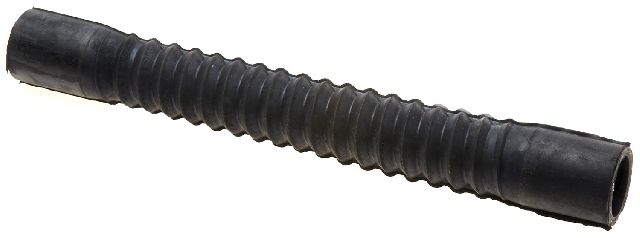
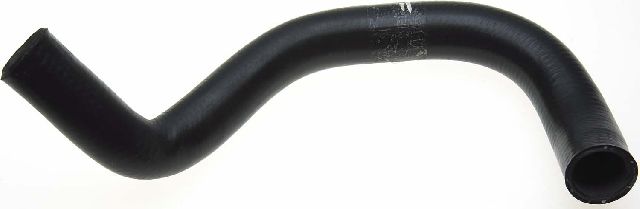
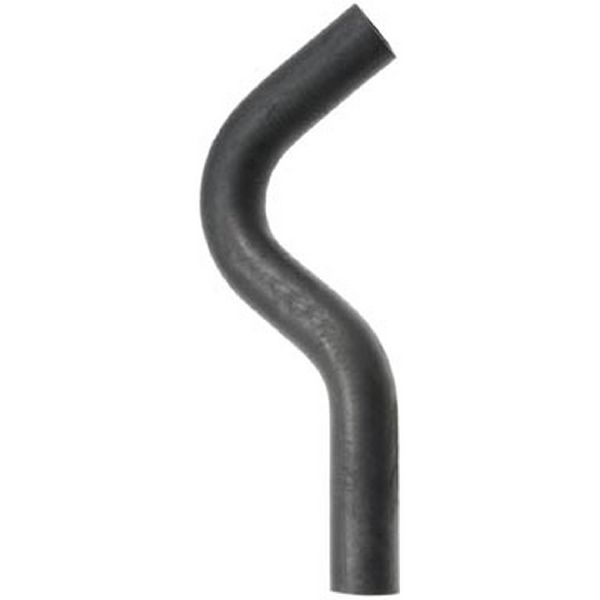
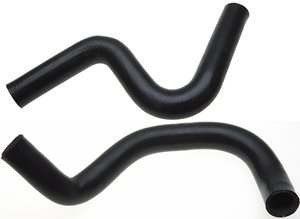
Original Equipment (OEM) radiator hoses for a 1979-1982 Dodge D50 are no longer manufactured. Fortunately, modern aftermarket hoses from reputable brands offer excellent quality, often exceeding the original specifications. For this truck, you will be choosing between molded hoses, which are pre-shaped for a perfect fit.
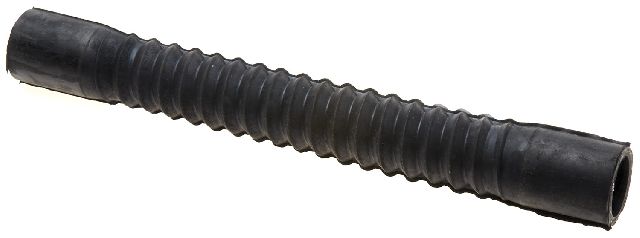
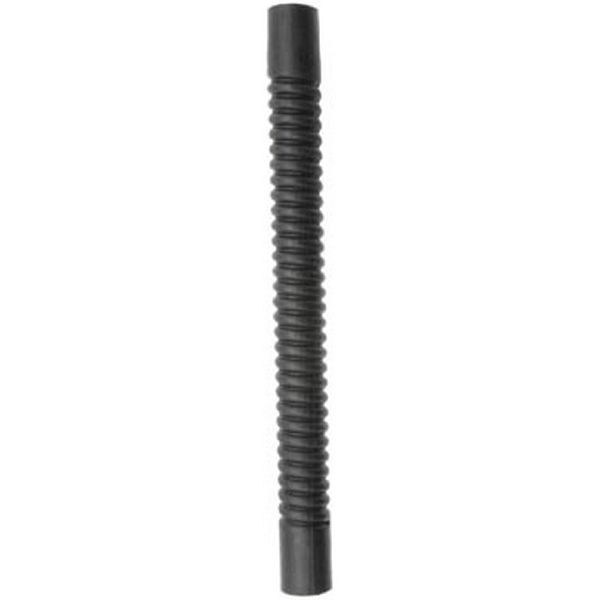
It is highly recommended to use molded hoses instead of universal or flexible hoses. Molded hoses are designed with the exact bends needed for your D50, which prevents kinking and rubbing against other parts.
Brand Quality Tiers
- Premium Aftermarket (Gates, Continental): Gates and Continental are top-tier brands known for excellent materials and engineering. Forum users often praise Gates for having superior fitment and cataloging, which is a key factor in avoiding installation issues. Both brands produce hoses designed to resist modern coolant additives and electrochemical degradation, which is a leading cause of hose failure.
- Standard Aftermarket (Dayco): Dayco is a well-respected brand that provides a great balance of quality and value. Some mechanics note that Dayco hoses can feel slightly thicker than competitors, and they are a reliable choice for any D50. While occasional fitment issues have been noted on other vehicles, they are a solid option for this application.
Pro Tip: When you replace one radiator hose, it's best practice to replace the other at the same time. Both hoses have experienced the same heat and age, so if one has failed, the other is likely close behind. Always install new hose clamps as well, as old ones can lose tension and cause leaks.
Estimated Cost for Radiator Hose Replacement
| Item | Estimated Cost |
|---|---|
| New Aftermarket Hose (Each) | $21.46 - $36.59 |
| Shop Labor | $100 - $180 |
| DIY Total (2 Hoses + Clamps) | $50 - $85 |
| Shop Total (2 Hoses + Clamps) | $150 - $265 |
Frequently Asked Questions (FAQ)
Is replacing radiator hoses a good DIY job?
Yes, for most owners with basic hand tools, this is a very straightforward job on a 1979-1982 D50. The process involves draining the coolant, removing the old clamps and hoses, installing the new parts, and refilling the cooling system. It can typically be completed in about an hour.
What kind of coolant should I use in my Dodge D50?
For a vintage vehicle like this, a conventional IAT (Inorganic Additive Technology) coolant, often called 'conventional green', is the correct type. Do not use modern OAT (orange/purple) or HOAT coolants. When mixing coolant, always use distilled water, as tap water contains minerals that can harm your cooling system.
Should I replace the internal spring in the lower hose?
Some older lower radiator hoses contained a spring to prevent collapse under suction from the water pump. Most modern, high-quality aftermarket hoses are made from materials that resist collapse and do not require this spring. Do not reuse an old spring in a new hose unless the hose manufacturer specifies it.
Were there any recalls for the D50 radiator hoses?
No, searches of the National Highway Traffic Safety Administration (NHTSA) database show no recalls or technical service bulletins (TSBs) specifically related to radiator coolant hoses for the 1979-1982 Dodge D50.
Technical Specifications
Your D50 requires one upper and one lower molded radiator hose. The specific part numbers will vary based on whether you have the 2.0L or 2.6L engine. Always verify the part fits your specific engine before purchasing.
We Have This Part in Stock

The information in this article is provided for general reference and educational purposes only. Vehicle specifications, procedures, and part compatibility can vary by production date, trim level, and region. Always consult your vehicle's factory service manual and verify part numbers before purchasing or performing repairs. Safety-critical components such as airbags, seat belts, and braking systems should be installed by a qualified professional.