

Accessory Drive Belt Guide for the 1979-1983 Mazda RX-7
Keep your rotary running smoothly by understanding its unique V-belt system and avoiding common failures.
- The 1979-1983 RX-7 uses multiple V-belts, not a single serpentine belt.
- High-RPM belt squeal is a common issue, often made worse by removing the air pump. A dual-pulley alternator setup is a popular fix.
- Proper belt tension is critical and must be set manually; over-tightening can damage accessory bearings.
- Visually inspect belts regularly for cracks, fraying, and glazing as signs of wear.
Signs of a Failing Accessory Drive Belt
A failing V-belt on your RX-7 will give you clear warning signs. Don't ignore them, as a snapped belt can leave you stranded. Listen for squealing noises, especially at high engine RPM or on cold starts. This squeal is the sound of the belt slipping on a pulley because it's loose, worn, or contaminated with oil or coolant. Visually inspect the belts. If you see cracks, fraying, glazing (a shiny, smooth surface), or missing chunks, it's time for a replacement. You might also notice dimming headlights at idle or a battery warning light, indicating the alternator belt is slipping and not spinning the alternator effectively.
High-RPM Belt Squeal: A Common RX-7 Issue
First-generation RX-7s are known for belt squeal and slippage, particularly above 4,000 or 5,000 RPM. This problem is often worse on cars where the air pump has been removed, a common modification. Without the air pump and its belt, the water pump pulley has less belt wrap, making it prone to slipping under load. This can cause insufficient coolant circulation, leading to overheating—a critical danger for rotary engines. Many owners solve this by installing a dual-sheave (double groove) alternator pulley and running two belts to the water pump and alternator for better grip.
Choosing the Right Aftermarket Drive Belt
For a classic car like the first-gen RX-7, OEM belts from Mazda are often discontinued or hard to find. Fortunately, reputable aftermarket brands provide quality replacements. There is no significant quality difference between OEM and top-tier aftermarket belts for this application; proper fit and tension are more important.
Brand Quality Tiers
- Top Tier (Excellent Quality): Gates and Continental are consistently recommended by mechanics and enthusiasts for their quality construction and reliability. Gates is a well-regarded OEM supplier, and their V-belts are known for durability. Continental (sometimes branded as ContiTech) is another top choice, often praised for its quiet operation.
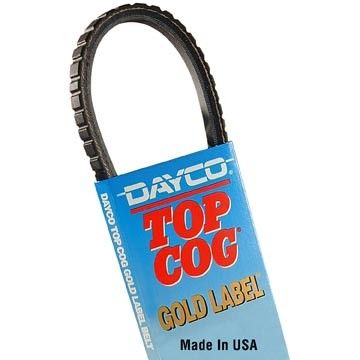
- Mid-Grade (Good Quality): Dayco is a widely available and reliable option that offers good performance for the price. Many owners use Dayco's "Top Cog" belts, which are designed to be more flexible and run cooler. Bando is another solid choice and is an OEM supplier for many Japanese vehicles.
Pro Tip: When replacing belts, especially if you are running a dual-pulley setup, it's a good practice to buy them as a matched set if possible to ensure they are the exact same length. Also, consider cleaning the pulley grooves with a wire brush to remove rust and grime, which can cause premature belt wear.
Accessory Drive Belt Costs for 1979-1983 Mazda RX-7
| Part/Service | Estimated Cost |
|---|---|
| New Aftermarket Belt (Single) | $2.60 - $33.44 |
| Shop Labor to Replace One Belt | $50 - $100 |
| Shop Labor to Replace All Belts | $100 - $200 |
Frequently Asked Questions (FAQ)
How do I know which belt to buy for my RX-7?
Your RX-7 has separate belts for the alternator, air pump (if equipped), and A/C (if equipped). You must buy the correct belt for each specific accessory. The belts are different lengths. It's best to look up the part number based on your car's year and whether it has A/C and an air pump. Using the wrong size belt will lead to slipping or snapping.
Why is my new belt squealing?
A new belt can squeal if it's not tensioned correctly. Belts can stretch slightly after initial installation and may need re-tensioning. Squealing can also be caused by pulley misalignment, a worn or seized pulley on an accessory (like the alternator or water pump), or contamination from oil or coolant. Ensure all pulleys are clean and spin freely before installing a new belt.
What is a cogged or notched V-belt?
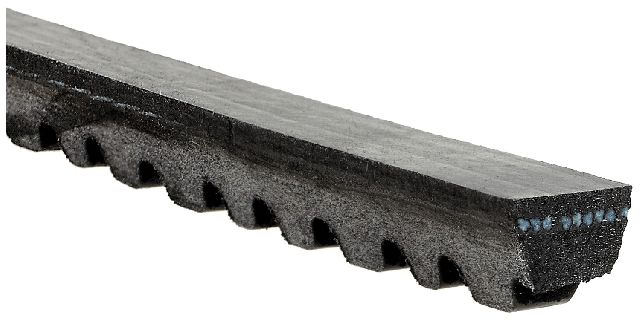
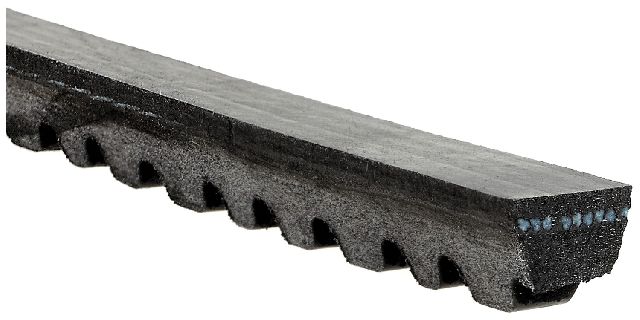
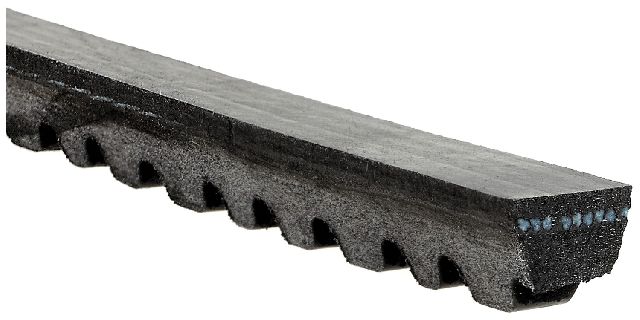
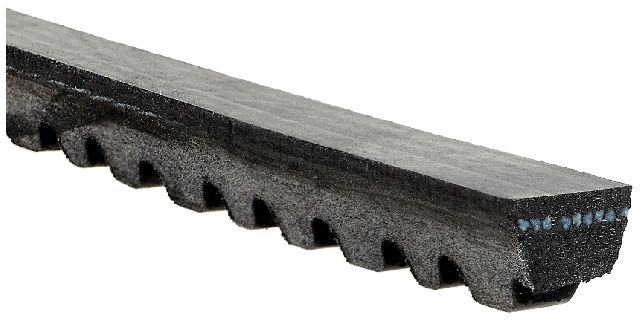
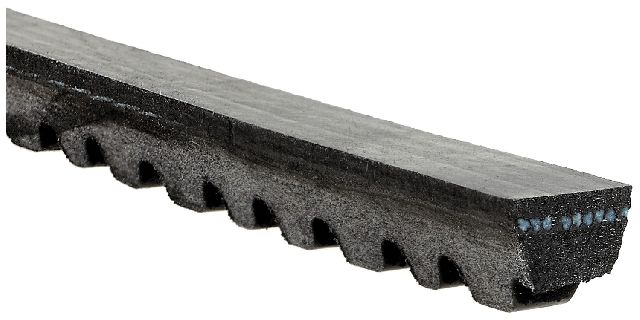
Cogged (or notched) V-belts have slots cut into the underside. These notches allow the belt to bend more easily around smaller pulleys and help dissipate heat, which can extend the belt's life. They are a good choice for the RX-7 and are often recommended. There is no evidence they cause damage to pulleys.
How is the belt tension adjusted on a first-gen RX-7?
Tension is set manually. There are no automatic tensioners. To adjust, you must loosen the pivot and locking bolts on the accessory (e.g., the alternator). Then, you use a pry bar or a tensioning bolt (depending on the specific accessory) to move the component and apply tension to the belt. Once the correct tension is set (typically about 1/2 inch of deflection under firm thumb pressure), you tighten the locking bolts to hold it in place.
Helpful Videos
Technical Specifications
OEM Part Numbers: 8311-18-381A-9U 1757-13-715 0000-67-5409-03
System Type: Multiple V-Belts Driven Components: Alternator, Water Pump, Air Pump (if equipped), Air Conditioning Compressor (if equipped) Tensioner Type: Manual (Accessory Adjustment)
We Have This Part in Stock

The information in this article is provided for general reference and educational purposes only. Vehicle specifications, procedures, and part compatibility can vary by production date, trim level, and region. Always consult your vehicle's factory service manual and verify part numbers before purchasing or performing repairs. Safety-critical components such as airbags, seat belts, and braking systems should be installed by a qualified professional.