

GMC G3500 Van Transmission Mount Guide (1979-1984)
Stop the clunking and shaking in your G3500 van with the right replacement transmission mount.
- A clunking noise when shifting into gear is the most common sign of a bad transmission mount.
- For this van, aftermarket is your only realistic option; choose a standard brand like Pioneer for a good balance of quality and price.
- Replacing the mount is a simple, one-hour job with basic tools, making it a great DIY task.
- While driving is possible for a short time, a failed mount can damage other expensive parts if ignored.
Is Your G3500's Transmission Mount Failing?
After decades of service, the original rubber on your transmission mount has likely seen better days. Heat, age, and fluid leaks cause the rubber to crack, collapse, or turn to mush. When this happens, the transmission is no longer held securely in place, leading to noticeable problems.
Symptoms of a Bad Transmission Mount
- Clunking or Banging Noises: The most common sign is a loud "clunk" when you shift from park into drive or reverse. You might also hear it when you accelerate hard or let off the gas suddenly. This is the sound of the transmission moving and hitting against other parts.
- Excessive Vibration: If you feel a new, heavy vibration through the floor or seat, especially at idle or when in gear, the mount is likely not absorbing vibrations anymore. This can feel like the whole van is buzzing or shaking.
- Drivetrain Movement: You might feel the whole engine and transmission shift or lurch when you accelerate. In severe cases, a helper can look at the engine while you put the van in gear (with the brake held firmly) and see the entire assembly rock excessively.
Don't Ignore a Bad Mount
Continuing to drive with a completely failed mount is unsafe. It puts extra stress on your engine mounts, driveshaft, exhaust system, and even coolant hoses and wiring. What starts as a small, cheap fix can lead to much more expensive repairs if ignored.
Choosing the Right Aftermarket Mount
For a 1979-1984 G3500, finding a new OEM mount from GM is nearly impossible. The good news is that the aftermarket offers several options that fit and function correctly. They generally fall into three categories.
| Brand Tier | Brands | Best For | Notes |
|---|---|---|---|
| Economy | Anchor, DEA | The lowest budget. | These brands will get the job done, but quality can be inconsistent. Forum users report the rubber is often very hard, leading to more vibration than expected, or too soft, leading to a short lifespan. Consider these a temporary or budget-first solution. |
| Standard / OE-Quality | Pioneer | Most owners looking for a balance of quality and price. | Pioneer mounts are often considered a step up, with better materials and construction that more closely resemble the original part. They aim to restore the original ride feel and are a solid choice for a daily driver or work van. |
| Performance / Heavy Duty | Lakewood | Racing, heavy hauling, or maximum durability. | Lakewood uses polyurethane instead of rubber. It's extremely durable and won't degrade from oil or heat. However, it is much stiffer and will transfer more vibration and noise into the cabin, which might be too harsh for a daily-use van. |
Pro Tip: Check Your Engine Mounts Too
The transmission mount works together with the engine mounts. If your transmission mount has failed, your engine mounts have been under extra stress and may also be worn out. It's a good idea to inspect them at the same time.
Frequently Asked Questions (FAQ)
Is this a difficult repair to do myself?
No, this is a very DIY-friendly job for someone with basic tools. The process involves supporting the transmission with a floor jack and a block of wood, removing a few bolts, swapping the mount, and bolting everything back together. Access on these rear-wheel-drive vans is excellent.
Are there any recalls or TSBs for the G3500 transmission mount?
No. A search of the National Highway Traffic Safety Administration (NHTSA) database shows no recalls or technical service bulletins for the transmission mount on the 1979-1984 GMC G3500. Failures are considered normal wear and tear due to the vehicle's age.
What is the difference between a rubber and polyurethane mount?
Rubber mounts, like the original, are soft and absorb vibration well for a comfortable ride. Polyurethane (used by brands like Lakewood) is a much stronger plastic that is highly resistant to wear and fluids but is also much stiffer. This means it provides better performance but also results in more noticeable cabin vibration.
Do I need any special tools?
You will need a basic socket set, wrenches, a floor jack, and sturdy jack stands. A deep socket for the nut on the mount's center stud is often helpful. No other special tools are required for this job.
Technical Specifications
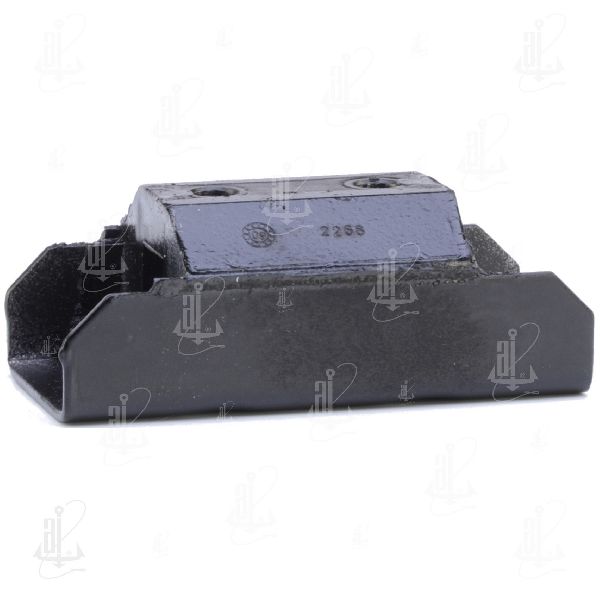
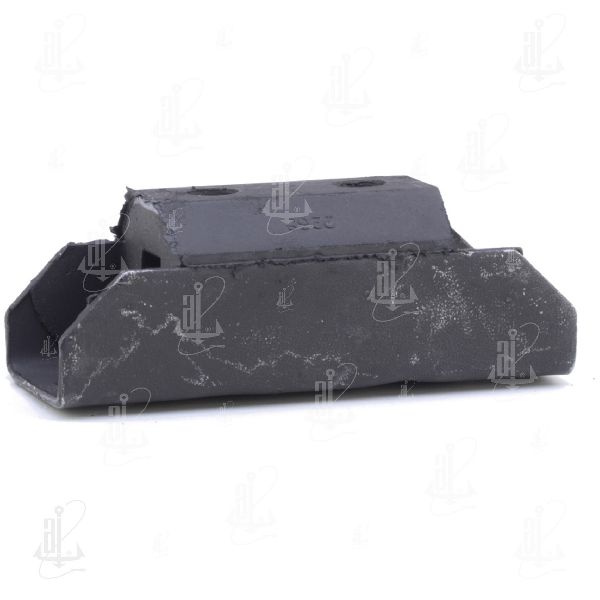
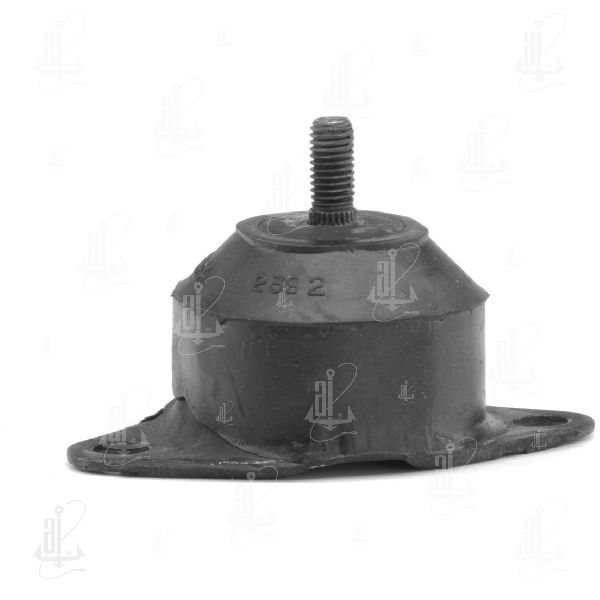
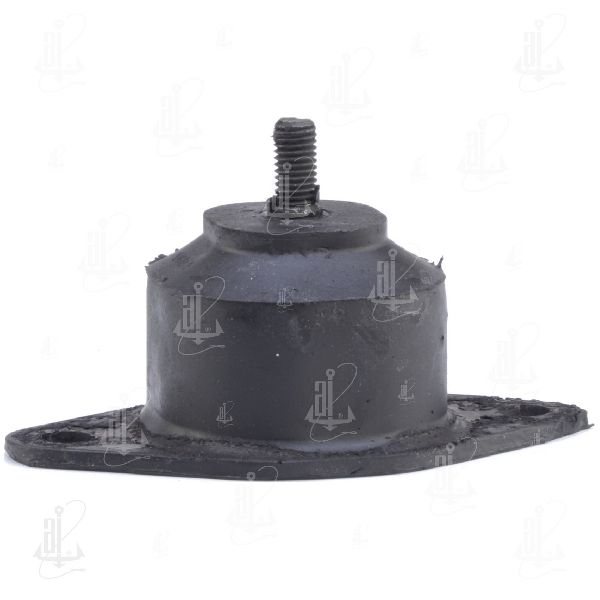
The standard mount for this application is a single-stud design that bolts to the transmission tail housing and the frame crossmember. It typically uses two bolts to attach to the transmission and a single stud with a nut to attach to the crossmember.
We Have This Part in Stock


The information in this article is provided for general reference and educational purposes only. Vehicle specifications, procedures, and part compatibility can vary by production date, trim level, and region. Always consult your vehicle's factory service manual and verify part numbers before purchasing or performing repairs. Safety-critical components such as airbags, seat belts, and braking systems should be installed by a qualified professional.