

A Practical Guide to the 1979-1984 Volvo 242 Engine Coolant Temperature Sensor
This small sensor is a common cause of poor running, bad fuel economy, and hard starting on your classic Volvo 242.
- Your Volvo 242 has two temp sensors; the two-pin sensor under the intake manifold controls the fuel injection and is the focus of this guide.
- A bad sensor commonly causes rich running conditions: poor fuel economy, black smoke, and a rough idle.
- Replacement is difficult due to tight access under the intake manifold but is possible for a patient DIYer.
- Verify your car's fuel system (K-Jetronic vs. LH-Jetronic) before ordering, as the sensors are different.
Symptoms of a Failing ECT Sensor
A bad ECT sensor can cause a surprising number of problems on your 242. Because the fuel injection computer relies on its signal, a false reading can make your car run poorly. If the sensor incorrectly tells the computer the engine is cold, it will send too much fuel. This is a very common failure mode.
- Poor Fuel Economy: If the sensor is stuck reading cold, the ECU will continuously run a rich fuel mixture, causing you to use much more gas than necessary.
- Black Smoke from Exhaust: A very rich fuel mixture may not burn completely. This unburnt fuel then burns in the hot exhaust, creating black smoke.
- Rough Idle or Misfires: An incorrect fuel mixture can cause the engine to shake, vibrate, or run erratically, especially when stopped.
- Hard Starting: The engine may be difficult to start, especially when it's warm, because the fuel mixture is too rich for the actual engine temperature. Conversely, a sensor that reads hot can make cold starts difficult.
- Check Engine Light: On later models equipped with on-board diagnostics, a faulty sensor can trigger a Check Engine Light.
A Common Point of Confusion: Two Temp Sensors
Your 1979-1984 Volvo 242 has two separate temperature sensors located under the intake manifold. One is a two-pin sensor that sends information to the fuel injection ECU (this is the part that causes running issues). The other is a single-pin sensor with a yellow wire that operates the temperature gauge on your instrument cluster. Before ordering, make sure you are diagnosing and replacing the correct sensor for your problem. This article refers to the two-pin sensor for the fuel injection system.
Choosing the Right Aftermarket Part
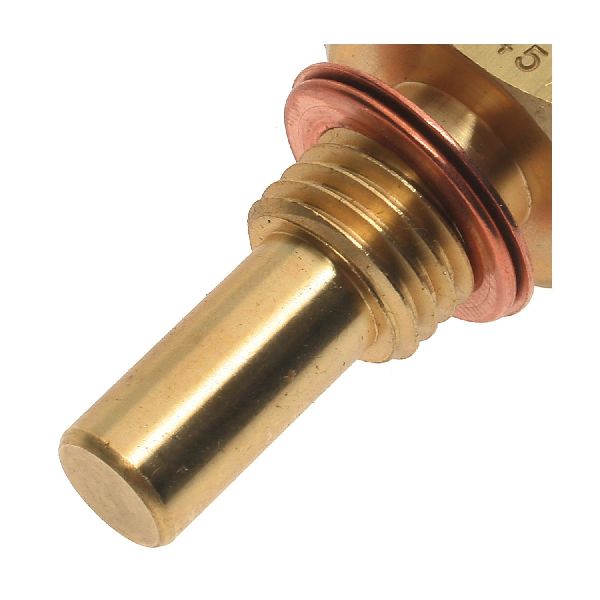
For a vehicle of this age, the original equipment (OEM) part was made by Bosch. While Bosch is still a top choice, several quality aftermarket brands offer reliable replacements that provide excellent value. There is generally no need to pay a premium for a "Genuine Volvo" part, which is often a rebranded Bosch or VDO sensor. Cheap, unbranded parts from auction sites or discount auto stores have a reputation for failing quickly and should be avoided.
- Tier 1 (Good): Standard Ignition (SMP) is a well-regarded aftermarket manufacturer with a long history of producing reliable engine management components. Their parts are a dependable choice for a daily driver.
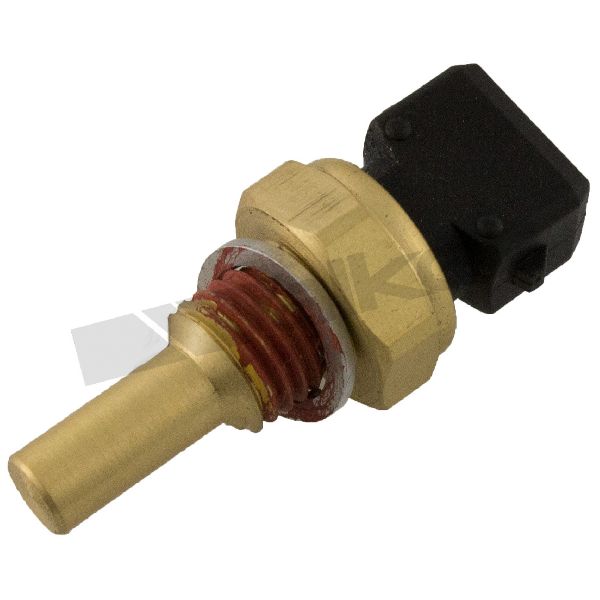
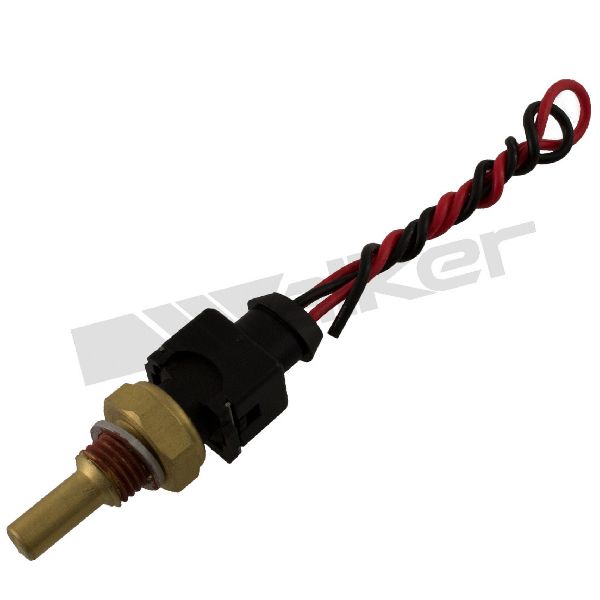
- Tier 2 (Better): Walker Products also provides a wide range of engine sensors. While more known for exhaust components, their sensors are generally considered a good quality, direct-fit replacement.
- Tier 3 (Budget): True Tech is a budget-friendly option. While it may meet the specifications, long-term reliability can be a concern for some owners compared to more established brands.
Pro Tip: Check Your Connector
After decades of heat cycles, the plastic connector for the ECT sensor can become brittle and break when you try to unplug it. Inspect your connector before starting the job. If it looks cracked or fragile, it's wise to order a new connector pigtail (like Standard Motor Products S-697) along with your sensor.
Estimated Cost Comparison
| Part Type | Price Range | Notes |
|---|---|---|
| New Aftermarket | $25.60 - $39.75 | Price for brands like Standard, Walker, or True Tech. |
| New OEM (Bosch) | $45 - $70 | Considered the highest quality and original fit. |
| Shop Labor | $100 - $200 | Estimated 1-1.5 hours of labor. The sensor is difficult to access. |
Frequently Asked Questions (FAQ)
Where is the ECT sensor located on my Volvo 242?
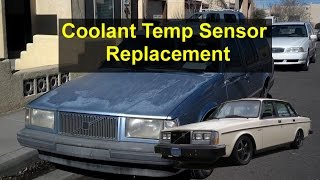
The fuel injection ECT sensor is located on the driver's side of the engine, screwed into the cylinder head underneath the intake manifold. On most models with LH-Jetronic fuel injection, it is found below the #3 intake runner. 🎬 See exactly where the sensor is located on the engine. It is notoriously difficult to access.
Can I replace the ECT sensor myself?
Yes, this is a DIY-feasible job for someone with patience and the right tools. Access is very tight. You will likely need a deep socket (19mm or 3/4 inch), a universal swivel joint, and several long extensions for your ratchet. Some people remove the intake manifold for better access, but it is possible to do it without.
🎬 Watch a step-by-step guide to replacing the sensor.Do I need to drain the coolant to replace it?
You will lose some coolant when you remove the old sensor. To minimize loss, you can loosen the cap on your coolant reservoir, squeeze the upper radiator hose, and then tighten the cap again to create a vacuum in the system. Have the new sensor ready to screw in quickly to reduce spillage. Be sure to top off the coolant afterward.
Are there any recalls for this part?
No, there are no recalls or Technical Service Bulletins (TSBs) from Volvo or the NHTSA specifically for the Engine Coolant Temperature Sensor on the 1979-1984 Volvo 242.
What is the difference between the sensor for K-Jetronic and LH-Jetronic cars?
The 1979-1984 period was a transition time for Volvo fuel injection. Earlier cars may have the mechanical K-Jetronic system, while later cars have the electronic LH-Jetronic system. These systems use different temperature sensors that are not interchangeable. The cylinder heads are also different, with the sensor located in a different position. It is crucial to order the part that matches your car's specific year and fuel system.
Helpful Videos

Technical Specifications
OEM Part Numbers: 13621284397 460191
Two-pin connector, typically with a blue or black plastic housing. Screws into the cylinder head under the intake manifold. Operates as a thermistor, changing resistance with temperature.
We Have This Part in Stock


The information in this article is provided for general reference and educational purposes only. Vehicle specifications, procedures, and part compatibility can vary by production date, trim level, and region. Always consult your vehicle's factory service manual and verify part numbers before purchasing or performing repairs. Safety-critical components such as airbags, seat belts, and braking systems should be installed by a qualified professional.