

A Guide to Replacing the Automatic Transmission Mount on a 1979-1985 GMC K1500
Eliminate clunks and vibrations in your Square Body truck by choosing the right transmission mount.
- Clunking when shifting and excessive vibration are the top signs of a failed mount.
- Choose standard rubber mounts (Anchor, Westar) for a stock ride and low cost; choose polyurethane (Prothane, Daystar) for heavy-duty use, but expect more vibration.
- Replacement is a straightforward DIY job that can be done in under two hours with basic tools.
- Always inspect the engine mounts when replacing the transmission mount, as they wear out together.
Is Your K1500's Transmission Mount Failing?
After more than 40 years of service, the original rubber on your truck's transmission mount is likely worn out. Heat, age, and leaking fluids like oil or transmission fluid cause the rubber to get soft, crack, or completely fall apart. When this happens, the transmission can move around too much, leading to noticeable problems. Ignoring these signs can put extra stress on your engine mounts and driveshaft, leading to more expensive repairs down the road.
Key Symptoms of a Bad Mount:
- Clunking or Banging Noises: This is the most common symptom. You might hear a loud clunk when you shift from Park into Drive or Reverse, or during hard acceleration. This is the sound of the transmission lifting and hitting the underside of the truck.
- Excessive Vibrations: If you feel a new or worsening vibration in the floor or seat, especially when accelerating, your mount may be to blame. The worn rubber can no longer absorb the drivetrain's vibrations.
- Visible Movement: A quick visual check can often confirm the problem. With the truck safely parked and the engine off, you can inspect the mount for collapsed, cracked, or oil-soaked rubber. You can also have a helper briefly shift the truck from Drive to Reverse (with the brakes held firmly) while you watch the transmission; any large movement indicates a failed mount.
Choosing the Right Aftermarket Mount for Your Truck
Since new original GM parts for this truck are no longer available, you'll be choosing from aftermarket brands. The main choice is between standard rubber mounts, which ride like the original, and polyurethane mounts, which are built for performance and durability.
Tier 1: Standard Rubber Mounts (Stock Feel)
These are designed to mimic the original factory mount's feel and performance. They are inexpensive and provide a comfortable ride by absorbing most drivetrain vibrations. This is the best choice for a daily driver or a stock restoration where ride comfort is the priority.
- Brands: Anchor, DEA, Westar, Skyward
- Pros: Low cost, smooth and quiet operation.
- Cons: Quality can be inconsistent on budget brands, with some user reviews mentioning premature failure. They are not ideal for heavy-duty use like towing or off-roading.
- Honest Assessment: Brands like Anchor and DEA are widely available and very affordable, but forum discussions are filled with mixed reviews. Some users find them acceptable for a standard vehicle, while others report issues with fit and durability. Pioneer is mentioned by some users as a higher-quality rubber option that is closer to the original part's performance.
Tier 2: Heavy-Duty Polyurethane Mounts (Performance & Durability)
Polyurethane is a much stronger and more durable material than rubber. These mounts are designed to handle more power and abuse, making them ideal for trucks used for towing, hauling, off-roading, or those with modified engines.
- Brands: Prothane, Daystar
- Pros: Extremely durable, excellent control of drivetrain movement, resistant to oil and fluids.
- Cons: Transmits more vibration and noise into the cab. Higher initial cost.
Cost to Replace a 1979-1985 GMC K1500 Transmission Mount
| Item | Estimated Cost |
|---|---|
| New Aftermarket Mount (Rubber) | $5 - $30 |
| New Aftermarket Mount (Polyurethane) | $40 - $136 |
| Shop Labor | $100 - $200 |
Frequently Asked Questions
Can I replace the transmission mount myself?
Yes, this is a very DIY-friendly job on a K1500. The process involves supporting the transmission with a floor jack and a block of wood, removing a few bolts, and swapping the part. For most home mechanics with basic tools, it can be done in 1-2 hours.
What tools are needed for the job?
You'll need a basic socket set (15mm is a common size for the bolts), a breaker bar or ratchet, a floor jack, and a piece of wood to protect the transmission pan. Soaking the bolts with penetrating oil a day before can help loosen any rust.
Is there a difference between 2WD and 4WD (K1500) mounts?
Yes, the mounts can differ between two-wheel drive and four-wheel drive models due to the presence of the transfer case on the K1500. Always verify that the part you are ordering is correct for your specific K1500 4x4 model.
Are there any recalls for the transmission mount on my truck?
No. A search of the National Highway Traffic Safety Administration (NHTSA) database shows no recalls or technical service bulletins (TSBs) for the transmission mount on the 1979-1985 GMC K1500.
Technical Specifications
OEM Part Numbers: 2292
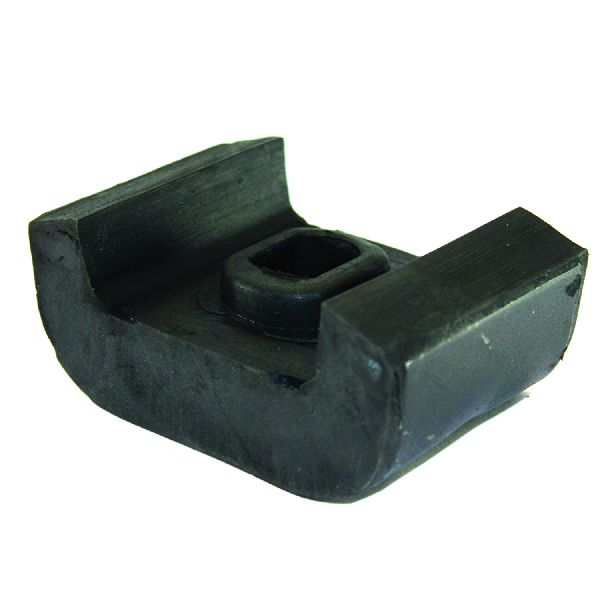
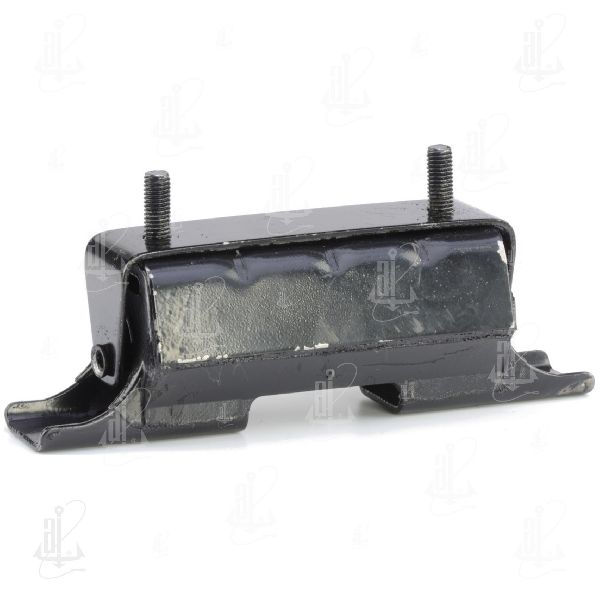
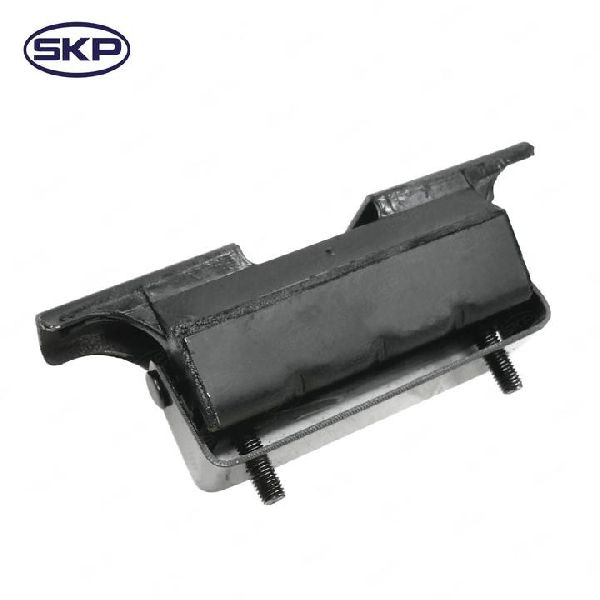
The GMC K1500 typically uses a single mount located at the rear of the transmission/transfer case assembly that bolts to a removable crossmember. The design for the 4WD 'K' series may differ from the 2WD 'C' series models.
We Have This Part in Stock

The information in this article is provided for general reference and educational purposes only. Vehicle specifications, procedures, and part compatibility can vary by production date, trim level, and region. Always consult your vehicle's factory service manual and verify part numbers before purchasing or performing repairs. Safety-critical components such as airbags, seat belts, and braking systems should be installed by a qualified professional.
- 🛍️ Shop This Part
- Is Your K1500's Transmission Mount Failing?
- Key Symptoms of a Bad Mount:
- Choosing the Right Aftermarket Mount for Your Truck
- Tier 1: Standard Rubber Mounts (Stock Feel)
- Tier 2: Heavy-Duty Polyurethane Mounts (Performance & Durability)
- Cost to Replace a 1979-1985 GMC K1500 Transmission Mount
- Frequently Asked Questions
- 🎟️ Get 5% Off