

Ford LTD Serpentine Belt Guide for 1979-1986 Models
This guide covers the essential information you need before purchasing a new serpentine belt for your Ford LTD.
- First, confirm if your LTD uses a single serpentine belt or multiple V-belts, as this varied by year and engine.
- When replacing the belt, always inspect the tensioner and idler pulleys for wear and replace them if they are noisy or rough.
- Choose premium aftermarket brands like Gates, Continental, or Dayco for the best reliability and longevity.
- Squealing noises are an early warning sign that should not be ignored; inspect the belt system promptly.
Serpentine Belt vs. V-Belts: A Critical Check for Your LTD
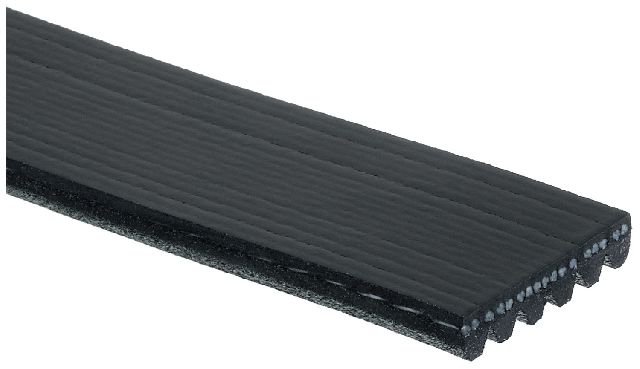
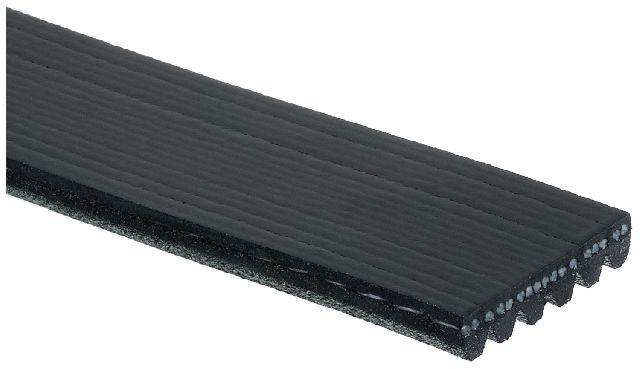
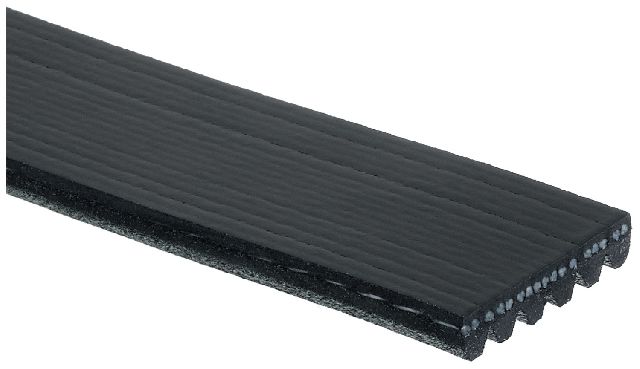
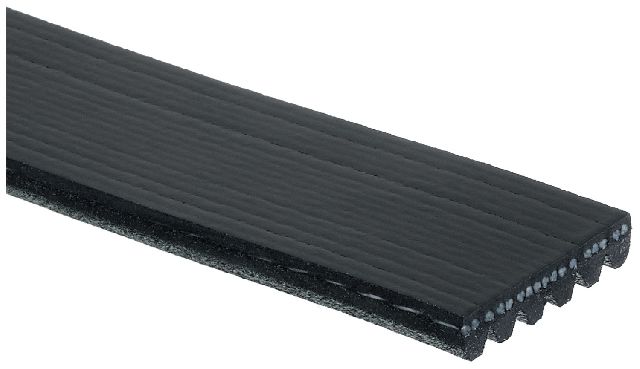
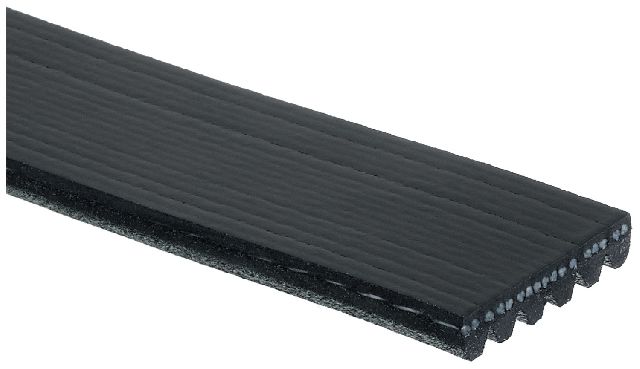
Before buying any parts, the first step is to identify what your 1979-1986 Ford LTD has. Ford used different belt systems during this period. Earlier models, especially from 1979-1982, and some base models through 1986, used multiple individual V-belts to drive the accessories. Later models, particularly the 1983-1986 mid-size LTDs with 3.8L V6 and 5.0L V8 engines, were more likely to be equipped with a single serpentine belt from the factory. A quick visual inspection under the hood is necessary. If you see one wide, flat, ribbed belt snaking around all the pulleys, you have a serpentine belt. If you see several thinner, V-shaped belts, you have V-belts.
Symptoms of a Failing Serpentine Belt
A failing serpentine belt gives several warning signs. Ignoring them can leave you stranded. Common symptoms include:
- Squealing or Chirping Noises: This is the most common sign. A high-pitched squeal or chirp from the engine bay, especially on startup or when the A/C is on, often means the belt is slipping due to wear or improper tension.
- Visible Wear and Damage: Look at the belt itself. Cracks, fraying, missing chunks, or a shiny, glazed appearance are clear indicators that the belt is old and needs replacement.
- Accessory or System Failure: If your power steering becomes heavy, your air conditioning stops blowing cold, or your battery warning light comes on, the belt may have failed.
- Engine Overheating: The serpentine belt often drives the water pump. If the belt breaks, the water pump stops circulating coolant, causing the engine to overheat quickly.
Choosing the Right Aftermarket Serpentine Belt
For a vehicle of this age, Original Equipment (OEM) belts are likely discontinued and difficult to find. The aftermarket offers excellent, readily available options that often meet or exceed original quality.
Premium Aftermarket Brands ($40 - $70)
These brands are well-regarded by mechanics and vehicle owners for their reliability and performance.
- Gates: A top-tier brand known for its durable construction and long life. Gates is a popular choice for both standard and high-performance applications.
- Continental: Famous for their quiet-running technology. If you're dealing with persistent belt noise, a Continental (formerly Goodyear Gatorback) belt can be a great solution.
- Dayco: Another leading manufacturer that produces high-quality belts, often with features designed to reduce noise and improve grip.
Standard & Economy Brands ($18 - $40)
These belts meet basic requirements and can be a good choice for budget-conscious repairs.
- Skyward: This is a budget-friendly option. While it will get the job done, its long-term durability may not match that of the premium brands. For a critical component like the serpentine belt, investing in a premium brand is often recommended for peace of mind.
Pro Tip: Inspect the Tensioner and Pulleys
The serpentine belt's biggest enemies are a weak tensioner and worn pulleys. The belt tensioner is a spring-loaded part that keeps the belt tight. If the spring is weak, the belt will slip and squeal. When replacing your belt, always check the tensioner and any idler pulleys. Spin them by hand; they should spin smoothly and quietly. If you feel any roughness or hear grinding, they should be replaced along with the belt.
Cost to Replace a Ford LTD Serpentine Belt
| Part Type | Estimated Cost |
|---|---|
| New Aftermarket Serpentine Belt | $18.81 - $70.76 |
| Shop Labor | $75 - $150 |
| Total Estimated Cost (Parts + Labor) | $94 - $221 |
Cost estimates are for the part and labor only and do not include taxes, fees, or costs for replacing related components like tensioners or pulleys.
Frequently Asked Questions
Does my 1979-1986 LTD have a serpentine belt?
It depends on the year and engine. Many 1983-1986 models with the 3.8L V6 or 5.0L V8 engines came with a single serpentine belt. Earlier models and some base models used multiple V-belts. You must visually inspect your engine to be sure.
How often should I replace the serpentine belt?
Most modern serpentine belts have a lifespan of 50,000 to 100,000 miles. For an older vehicle like the LTD, it's best to inspect the belt at every oil change for signs of wear like cracks, fraying, or glazing and replace it as soon as these signs appear.
Should I replace the belt tensioner at the same time?
It's highly recommended. A worn tensioner is a common cause of belt failure and noise. Since you already have the belt off, replacing the tensioner is a smart, preventative measure that adds minimal labor cost.
What causes a new serpentine belt to make noise?
If a new belt is noisy, the problem is rarely the belt itself. The most common causes are a weak or failing tensioner, misaligned pulleys, or fluid contamination (like oil or coolant) on the pulleys. Before installing a new belt, it's a good idea to clean the pulley surfaces.
Technical Specifications
The correct serpentine belt is determined by your specific year, engine (2.3L, 3.8L, 5.0L), and accessory combination (with or without A/C, with or without air pump). Always verify the required belt length and rib count for your exact configuration.
We Have This Part in Stock

The information in this article is provided for general reference and educational purposes only. Vehicle specifications, procedures, and part compatibility can vary by production date, trim level, and region. Always consult your vehicle's factory service manual and verify part numbers before purchasing or performing repairs. Safety-critical components such as airbags, seat belts, and braking systems should be installed by a qualified professional.
- 🛍️ Shop This Part
- Serpentine Belt vs. V-Belts: A Critical Check for Your LTD
- Symptoms of a Failing Serpentine Belt
- Choosing the Right Aftermarket Serpentine Belt
- Premium Aftermarket Brands ($40 - $70)
- Standard & Economy Brands ($18 - $40)
- Pro Tip: Inspect the Tensioner and Pulleys
- Cost to Replace a Ford LTD Serpentine Belt
- Frequently Asked Questions
- 🎟️ Get 5% Off