

GMC G1500 Engine Oil Pressure Switch Guide: 1979-1986
Is your oil pressure gauge acting erratically? Here’s what G1500 owners need to know about a failing oil pressure switch.
- If the oil gauge reads zero but the engine sounds normal, the switch is the most likely problem.
- Replacement is a simple, low-cost DIY job; a special socket makes it much easier.
- Ignoring a bad switch is risky, as you won't know if you have a real oil pressure problem.
- Choose a reputable aftermarket brand like Standard Ignition or Rostra for a reliable repair.
Is Your Oil Pressure Gauge Lying?
The most common issue with the oil pressure switch on a 1979-1986 GMC G1500 is a faulty reading on the dashboard. You might see the needle suddenly drop to zero, swing wildly, or get stuck at the maximum reading. Another clear sign of failure is an oil leak from the body of the switch itself, or finding oil inside the electrical connector when you unplug it.
A key diagnostic step is to listen to your engine. If the gauge shows zero pressure but the engine is running quietly without any new knocking, ticking, or grinding sounds, the sending unit is almost always the problem, not an actual loss of oil pressure. An engine with no oil pressure will get very loud, very quickly.
Choosing the Right Aftermarket Switch
For a vehicle from this era, you don't necessarily need to hunt down a rare OEM part. Quality aftermarket brands are widely available and offer good performance. Here’s a look at the common tiers you'll find:
- Premium Aftermarket (e.g., Standard Ignition): Standard Motor Products (SMP) is a well-regarded brand that has been around for decades. They are known for making quality electronic components that meet or exceed original specifications. For many professional mechanics and experienced owners, this is the go-to choice for a reliable, long-lasting replacement.
- Standard Aftermarket (e.g., Rostra Powertrain): Rostra is another established brand, known for producing a wide range of automotive electronics for both aftermarket and OEM applications. They are generally considered a reliable and solid choice for a replacement switch.
- Economy Brands (e.g., Global Parts and other store brands): These are the most budget-friendly options. While they can work, their long-term durability and the accuracy of their readings can sometimes be less consistent than premium brands. For a part this critical and inexpensive to replace, investing a few extra dollars in a more reputable brand is often a wise choice.
OEM vs. Aftermarket Quality
For the 1979-1986 G1500, a high-quality aftermarket switch from a brand like Standard Ignition is often considered just as good, if not better, than hunting down a new-old-stock GM part. The technology is simple, and top aftermarket companies have perfected it over the years. The most important factor is choosing a reputable brand over the cheapest option available.
Typical Replacement Costs
Replacing the oil pressure switch is not an expensive repair. The part itself is affordable, and if you have it done at a shop, the labor is minimal.
| Part or Service | Estimated Cost |
|---|---|
| New Aftermarket Switch | $12 - $62 |
| Shop Labor | $100 - $180 |
| Total Professional Replacement | $112 - $242 |
Pro Tip: Get the Right Socket
This is a very DIY-friendly job. The biggest challenge is the tight access. The switch is located at the top of the engine, behind the distributor. To make the job easy and avoid damaging the new switch, use a special oil pressure switch socket. It's designed to fit the unusual shape of the sensor. Removing the engine doghouse (interior engine cover) and air cleaner assembly will give you much more room to work.
Frequently Asked Questions
Where is the oil pressure switch on my GMC G1500?
On most V8 engines used in the 1979-1986 G1500, the oil pressure sending unit is located at the top rear of the engine block. It will be just behind the distributor cap, slightly to the driver's side. You will see a single wire connected to it.
Can I replace the oil pressure switch myself?
Yes, this is a great DIY job for beginners. It typically takes less than an hour and requires basic hand tools, though a special oil pressure switch socket is highly recommended. Always let the engine cool down completely before starting.
What happens if I ignore a bad oil pressure switch?
The biggest risk is that you won't be able to tell the difference between a faulty switch and a real, catastrophic loss of oil pressure. If your engine genuinely loses oil pressure and you keep driving because you assume it's just the gauge, you will destroy the engine. For the low cost of replacement, it's not worth the risk.
Does the new switch need thread sealant?
Many new switches come with thread sealant already applied. If yours doesn't, use a small amount of appropriate thread sealant. Do not use too much, as the switch needs a good metal-to-metal connection with the engine block to ground itself properly. A bad ground will cause incorrect readings.
Are there any recalls for this part on my van?
No, there are no known recalls or Technical Service Bulletins (TSBs) from GMC or the NHTSA for the engine oil pressure switch on the 1979-1986 GMC G1500.
Technical Specifications
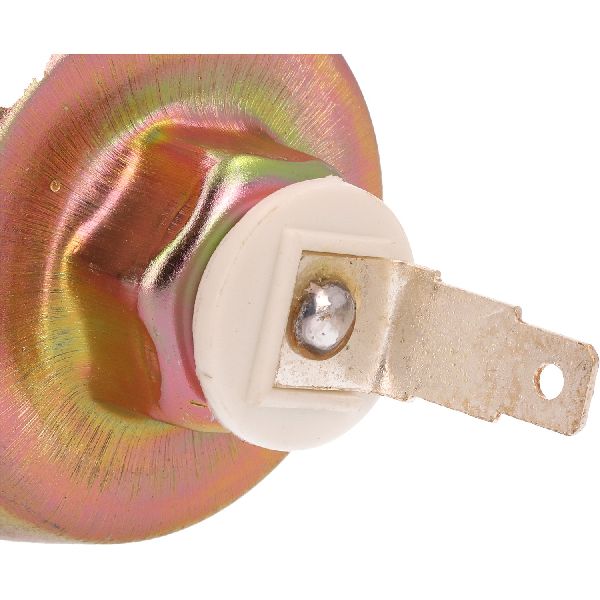
The oil pressure switch for this vehicle is typically a single-terminal sending unit designed for a gauge (not a simple on/off switch for a light). It screws into the engine block, usually near the distributor.
We Have This Part in Stock


The information in this article is provided for general reference and educational purposes only. Vehicle specifications, procedures, and part compatibility can vary by production date, trim level, and region. Always consult your vehicle's factory service manual and verify part numbers before purchasing or performing repairs. Safety-critical components such as airbags, seat belts, and braking systems should be installed by a qualified professional.