

Accessory Drive Belt Guide for 1979-1987 BMW 528i & 528e
Keep your classic BMW running smoothly by understanding its unique accessory V-belt system.
- Verify if you have a 1979-81 528i (M30 engine) or a 1982-87 528e (M20 engine) before buying parts, as the belts are different.
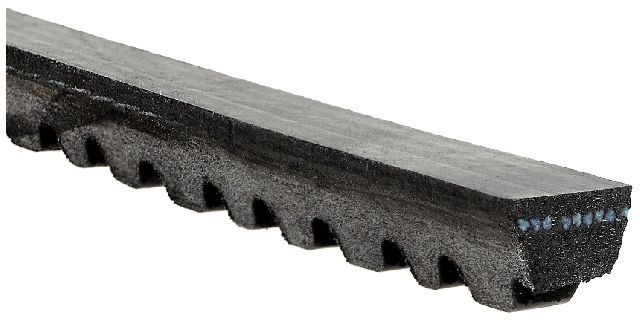
- These cars use multiple V-belts, not a single serpentine belt. It is best practice to replace all of them at once.
- Inspect belts regularly for cracks and listen for squealing. A snapped belt will immediately disable key systems like the alternator and water pump.
- Top aftermarket brands like Continental, Gates, and Dayco offer OEM-level quality and are excellent choices for this part.
Understanding Your BMW's Belts: E12 vs. E28
The 1979-1987 year range for the "528i" covers two different models in the North American market, each with a different engine and belt setup. It's critical to identify your specific vehicle before ordering parts.
- 1979-1981 528i (E12 chassis): This model is powered by the M30 inline-six engine 🎬 Watch a step-by-step guide on replacing accessory belts on the M30 engine.. It uses a set of V-belts to drive the accessories.
- 1982-1987 528e (E28 chassis): This model uses the M20 inline-six engine. It also uses a V-belt system, but the belts and component locations differ from the M30 engine. The M20 engine also has a critical timing belt that must be replaced at regular intervals to prevent catastrophic engine damage, which is separate from the accessory drive belts.
Symptoms of a Failing Accessory Belt
A worn-out accessory belt will give you several warning signs. Ignoring them can lead to a breakdown and potentially expensive damage.
Key Failure Symptoms
- Squealing or Chirping Noises: This is the most common symptom, especially on startup or when turning the steering wheel. It's caused by the belt slipping on the pulleys.
- Visible Wear: Inspect your belts for cracks, fraying, glazing (a shiny surface), or missing chunks. Any visible damage means the belt needs immediate replacement.
- Accessory Malfunctions: You may notice dimming headlights (alternator issue), difficulty steering (power steering issue), or the A/C not blowing cold.
- Engine Overheating: If the belt driving the water pump fails, the engine will quickly overheat, which can cause severe damage.
- Warning Lights: A battery or alternator warning light on your dashboard can indicate the alternator belt is failing.
Choosing the Right Aftermarket Belt
For a straightforward part like an accessory belt on a vintage BMW, aftermarket brands offer excellent quality, and in some cases, are the original equipment manufacturer (OEM). You don't need to pay dealership prices for a reliable part.
- Continental (ContiTech): Often the OEM supplier for BMW. Continental belts are known for their quiet operation, precise fit, and long life, making them a top-tier choice.
- Gates: A highly respected aftermarket brand with a reputation for making durable, high-quality belts that often meet or exceed OEM specifications. Many mechanics trust and recommend Gates for all types of drive belts.
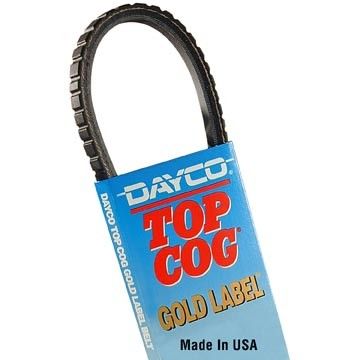
- Dayco: Another major OEM supplier and reputable aftermarket brand. They produce quality EPDM rubber belts that offer durability and a long service life, comparable to other top brands.
Pro Tip: Since you have multiple belts, it's wise to replace them all at the same time. This saves you from having to do the job again in a few months and ensures the reliability of the entire system. Also, inspect the belt tensioners and pulleys for wear, as a bad pulley can destroy a new belt.
Aftermarket Accessory Belt Cost for 1979-1987 BMW 528i/528e
| Category | Price Range |
|---|---|
| New Aftermarket Belts (per belt) | $2.60 - $38.25 |
| Estimated Shop Labor | $100 - $200 |
Frequently Asked Questions
How many accessory belts does my 1979-1987 5-Series have?
Your car has multiple V-belts, typically three. One for the alternator and water pump, one for the power steering pump, and one for the A/C compressor. You must verify the specific number and sizes for your car's engine (M30 or M20) and options.
How often should I replace the accessory belts?
A general guideline is to inspect them every 10,000 miles and plan for replacement every 40,000 to 60,000 miles, or sooner if you see any signs of wear like cracking or fraying. For the M20 engine in the 528e, do not confuse this with the timing belt, which has its own critical replacement interval.
Is replacing the accessory belts a DIY job?
Yes, for someone with basic mechanical skills and tools, this is a very feasible DIY project. It involves loosening the tensioners for each accessory, removing the old belts, and installing the new ones in the correct order. Ensuring proper belt tension after installation is the most important step.
Are there any recalls for the accessory belts on these cars?
No, there are no specific recalls or technical service bulletins (TSBs) related to the accessory drive belts for the 1979-1987 BMW 528i or 528e according to NHTSA data.
Helpful Videos
Technical Specifications
OEM Part Numbers: 11511706710 64551722991 11511711091
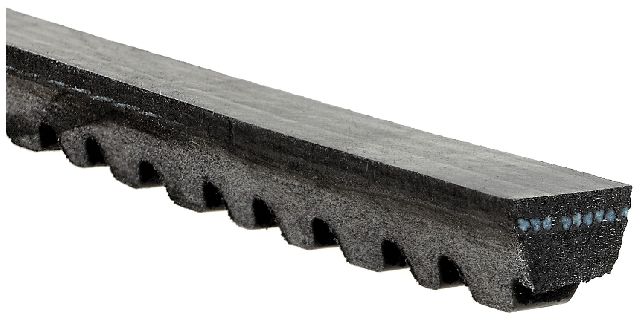
System Type: Multiple V-Belts. Belt materials are typically EPDM rubber. Sizes vary by engine (M20 vs. M30) and accessory (Alternator, Power Steering, A/C). For example, a common alternator belt for the M20 engine is size 10x965mm.
We Have This Part in Stock

The information in this article is provided for general reference and educational purposes only. Vehicle specifications, procedures, and part compatibility can vary by production date, trim level, and region. Always consult your vehicle's factory service manual and verify part numbers before purchasing or performing repairs. Safety-critical components such as airbags, seat belts, and braking systems should be installed by a qualified professional.