

BMW 528i (1979-1987) Electric Fuel Pump Diagnosis and Replacement Guide
Your classic 5-Series has a unique dual-pump fuel system—here’s how to keep it reliable.
- Your 1979-1987 528i has two fuel pumps (in-tank and external) that should be diagnosed and replaced together.
- Bosch is the highly recommended brand for reliability; budget brands like URO are not advised for this critical part.
- Always replace the fuel filter and tank seals when installing new pumps to prevent contamination and leaks.
- Before replacing the pumps, test the fuel pump relay, as it's a common and inexpensive part that can cause identical symptoms.
Understanding Your 528i's Dual Fuel Pump System
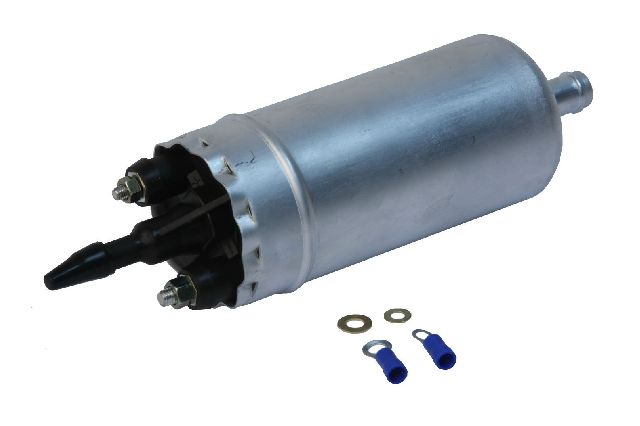
The 1979-1987 production run covers two distinct 5-Series generations: the E12 (1979-1981) and the E28 (1982-1987). A key feature of the fuel injection system in these cars is the use of two separate electric fuel pumps. There is a low-pressure transfer pump inside the fuel tank and a high-pressure main pump mounted externally. The in-tank pump's job is to feed the main pump, preventing it from being starved of fuel. If the in-tank pump fails, it puts immense strain on the external pump, often causing it to fail shortly after.
Pro Tip: Because the two pumps are dependent on each other, it is highly recommended to diagnose and replace them as a pair. Replacing only the failed external pump without addressing a weak in-tank pump will likely lead to another failure in the near future.
Signs of a Failing Electric Fuel Pump
A failing fuel pump will starve the engine of fuel, leading to noticeable performance issues. Common symptoms include:
- Engine Sputtering: The car may hesitate or sputter, especially under acceleration or at constant high speeds.
- Difficulty Starting: You may experience long crank times before the engine starts, or it may not start at all.
- Loud Whining Noise: A distinct, high-pitched whining or buzzing sound from the rear of the car, near the fuel tank, is a classic sign of a struggling pump motor.
- Loss of Power: The engine may feel weak and struggle when going uphill or under heavy load.
- Sudden Stalling: The engine may stall unexpectedly while driving as fuel pressure drops.
Before replacing the pumps, always check the fuel pump relay first. This small electrical component is a common failure point and is much cheaper and easier to replace.
Choosing the Right Aftermarket Fuel Pump
When it comes to a critical component like the fuel pump, brand quality is paramount. For a classic BMW, not all aftermarket brands are created equal.
| Brand Tier | Brands | Assessment |
|---|---|---|
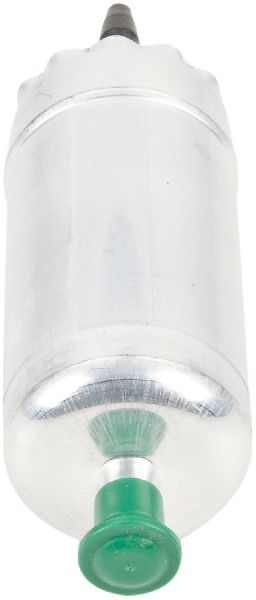
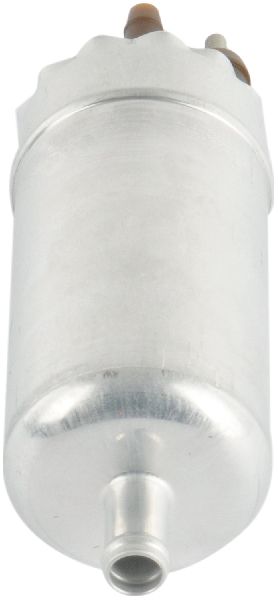
| OEM / Premium Aftermarket | Bosch | Bosch is the original equipment manufacturer (OEM) or equivalent for these vehicles. It is the most recommended brand for reliability, proper fitment, and performance. Choosing Bosch is the safest way to ensure longevity and avoid being stranded. |
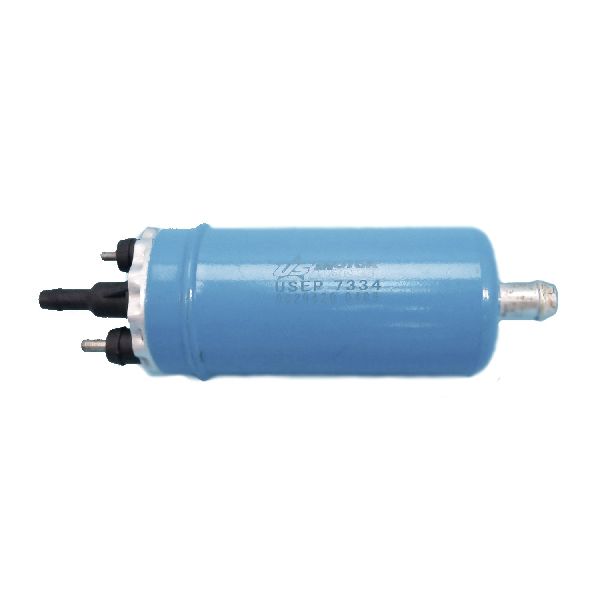
| Standard Aftermarket | GMB, US Motor Works | These brands offer a more budget-friendly option. While GMB is a known manufacturer, there is limited feedback specifically for its use in classic BMWs. The long-term reliability may not match that of an OEM-spec pump, making them a potential risk for a daily driver. |
| Economy / Budget | URO Parts | Forum discussions among BMW owners frequently advise against using budget brands like URO for critical electronic or fuel-related parts. While the initial cost is low, the risk of premature failure is significantly higher. |
Known Issues, Recalls, and Service Bulletins
Searches of the National Highway Traffic Safety Administration (NHTSA) database show no open recalls or technical service bulletins (TSBs) related to the electric fuel pumps for the 1979-1987 BMW 528i. Recalls found for BMW fuel pumps apply to much newer models and different vehicle types.
Frequently Asked Questions (FAQ)
Do I have to replace both fuel pumps at the same time?
It is strongly recommended. The in-tank lift pump and the external high-pressure pump work together. When the in-tank pump weakens, the main pump has to work much harder to pull fuel, leading to its premature failure. Replacing only one can lead to a repeat failure of the new part.
Is the fuel pump different for an E12 (pre-1982) vs. an E28 (1982+)?
Yes, part numbers can differ between the E12 and E28 chassis, and even between model years. The dual-pump concept is similar, but the specific pumps may vary. It is essential to verify the correct part numbers for your vehicle's specific year and model before ordering.
What else should I replace with the fuel pump?
Always replace the fuel filter when you replace a fuel pump. A clogged filter can restrict flow and strain the new pump. Also, be sure to install a new fuel tank gasket or sealing ring to prevent dangerous fuel leaks and fumes. It's also a good time to inspect the inside of the fuel tank for rust or debris that could clog the new pump's inlet sock.
Can a bad fuel pump relay cause the same symptoms?
Yes. A faulty fuel pump relay can prevent the pumps from getting power, perfectly mimicking the symptoms of a dead pump. Since the relay is inexpensive and easy to access, it is a wise first diagnostic step to test or replace it before tackling the pumps themselves.
Technical Specifications
OEM Part Numbers: 16141179425 16121178624 16141178751 16121115862
System Type: Dual Pump (In-Tank Lift Pump & External Main Pressure Pump)
We Have This Part in Stock

The information in this article is provided for general reference and educational purposes only. Vehicle specifications, procedures, and part compatibility can vary by production date, trim level, and region. Always consult your vehicle's factory service manual and verify part numbers before purchasing or performing repairs. Safety-critical components such as airbags, seat belts, and braking systems should be installed by a qualified professional.