

Ignition Coil Guide for the 1979-1987 BMW 528i (E12 & E28)
Keep your classic 5-Series running strong by understanding its single ignition coil system and how to choose the right replacement.
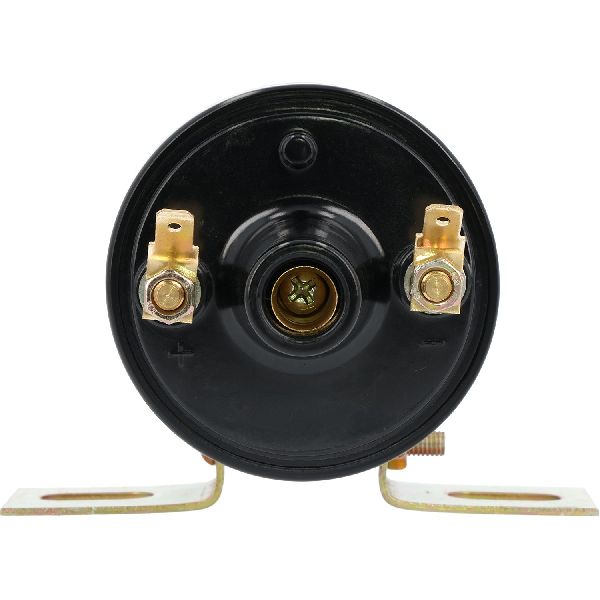
- The 1979-1987 528i uses a single, canister-style ignition coil, not individual coil packs.
- Verify the correct part for your year, as E12 (79-81) and E28 (82-87 528e) models can differ.
- Symptoms of failure include misfires, stalling, poor fuel economy, and a no-start condition.
- Replacement is a simple DIY task that takes less than an hour with basic tools.
Understanding Your 528i's Ignition System: E12 vs. E28
The 1979-1987 production range covers two distinct 5-Series generations: the E12 (1979-1981) and the E28 (1982-1987). In the North American market, the E28 was sold as the 528e. These models use different engines and ignition management systems (like Bosch Motronic on the E28), which can affect part compatibility. While they both use a single canister-style ignition coil, it is critical to verify the exact part number for your specific year and model before ordering a replacement.
Choosing the Right Aftermarket Ignition Coil
For a classic vehicle like the E12 or E28, the original equipment (OEM) manufacturer was typically Bosch. Aftermarket parts offer a cost-effective alternative, but quality can vary. It's important to choose a reputable brand to ensure reliability.
Brand Quality Tiers for 1979-1987 BMW 528i
| Brand | Tier | Our Assessment |
|---|---|---|
| Standard Ignition (Standard Motor Products) | Better | Standard Motor Products (SMP) is a well-regarded aftermarket manufacturer. Their coils often feature quality materials like pure copper windings and silicon steel cores to ensure durability and proper voltage output. For a daily-driven or restored classic, this is a reliable and recommended choice that meets or exceeds original specifications. |
| Global Parts (GPD) | Good | GPD, often listed as a value-oriented option, produces parts designed as direct OEM replacements. While they are engineered to restore original functionality and can be a good budget-friendly choice, they may not have the same long-term durability reputation as premium aftermarket or OEM brands. They are suitable for standard driving conditions. |
Known Issues, Recalls, and Service Bulletins
For a vehicle of this age, formal recalls or Technical Service Bulletins (TSBs) specifically for the ignition coil are rare. The National Highway Traffic Safety Administration (NHTSA) does not list any specific recalls for the ignition coil on the 1979-1987 528i. However, there is a major open recall for Takata airbags in many older BMWs, and owners should check their vehicle's VIN. Most known issues are age-related. Oil leaks from components like the valve cover gasket can drip onto electrical parts, causing damage. Wiring harnesses can also become brittle over time, leading to poor connections and intermittent spark issues.
Installation Tips
Pro Tip: Before replacing the coil, test it with a multimeter. With the ignition off, check the resistance between the positive (+) and negative (-) terminals (primary winding), which should be around 0.5 Ω. Then check between the positive terminal and the center high-tension tower (secondary winding), which should be around 6000 Ω. A reading that is wildly different suggests the coil is faulty.
Replacing the coil is a straightforward DIY job. It is typically mounted to the vehicle's inner fender or firewall. The process involves disconnecting the battery, unplugging the low-voltage primary wires and the main high-tension wire that goes to the distributor, unbolting the old coil, and installing the new one in its place. Ensure all connections are clean and tight.
Frequently Asked Questions (FAQ)
Q: Can a bad ignition coil cause my 528i not to start?
A: Yes. A complete ignition coil failure will prevent the spark plugs from getting the electricity they need, resulting in a crank-no-start condition.
Q: Should I replace my spark plugs and distributor components with the coil?
A: It's a good practice. A failing coil can be caused by old spark plugs or a worn distributor cap and rotor. Replacing these components at the same time ensures the entire ignition system is healthy and can prevent premature failure of the new coil.
Q: Is an oil-filled coil better?
A: For this specific vehicle, an oil-filled canister coil is the correct, original design. The oil helps to cool the coil's internal windings and provides insulation to prevent short circuits.
Q: Will a new coil improve my car's performance?
A: If you are replacing a weak or failing coil, a new one will restore lost performance, improve idle quality, and fix issues like hesitation and misfires. However, simply upgrading a functional coil on a stock engine will not add horsepower.
Technical Specifications
OEM Part Numbers: 12131286087
Coil Style: Canister, Oil-Filled. Primary Resistance: ~0.5 Ohms. Secondary Resistance: ~6.0 kOhms.
We Have This Part in Stock


The information in this article is provided for general reference and educational purposes only. Vehicle specifications, procedures, and part compatibility can vary by production date, trim level, and region. Always consult your vehicle's factory service manual and verify part numbers before purchasing or performing repairs. Safety-critical components such as airbags, seat belts, and braking systems should be installed by a qualified professional.