

A GMC C1500 Owner's Guide to Catalytic Converter Replacement (1979-1987)
Keep your classic square body running clean and strong by understanding your catalytic converter replacement options.
- Diagnose based on symptoms like power loss, rattling, and bad smells, as these trucks are pre-OBDII and won't have a check engine light code.
- You must choose between an easy-to-install (but more expensive) direct-fit converter and a cheap (but requires welding) universal converter.
- Fix any engine problems like misfires or running too rich BEFORE replacing the converter, or you will destroy the new one.
- Check your local laws; you may need a specific CARB-compliant converter, even for a classic truck.
Is Your C1500's Catalytic Converter Failing?
Since trucks from this era are pre-OBDII, they won't flash a "Check Engine" light with a specific code for the converter. You have to rely on physical symptoms. A failing catalytic converter can cause serious performance issues, so it's important to recognize the signs.
Key Symptoms of a Bad Catalytic Converter on a 1979-1987 C1500
- Significant Loss of Power: This is the most common sign. If your truck struggles to accelerate or feels gutless going up hills, the converter could be clogged, creating excess backpressure that chokes the engine.
- Rotten Egg Smell: A strong sulfur or rotten egg smell from the exhaust means the converter isn't properly processing the exhaust gases.
- Rattling Noises: If you hear a rattling sound from under the truck, the ceramic honeycomb inside the converter may have broken apart.
- Excessive Heat: A clogged converter can trap so much heat that the floor of the truck above it becomes noticeably hot. In extreme cases, the converter itself may glow red.
- Failed Emissions Test: In many areas, this is the ultimate sign. If your classic truck needs to pass a smog test, a failing converter is an automatic failure.
Choosing the Right Aftermarket Converter: Direct-Fit vs. Universal
For a vehicle of this age, OEM parts are generally unavailable. Your choice will be between two types of aftermarket converters: Direct-Fit and Universal.
- Direct-Fit Converters: These are designed to bolt right into the factory location with no modifications needed. They are more expensive but make for a much easier and faster installation, especially for a DIY mechanic.
- Universal Converters: These are much cheaper but are not designed for any specific vehicle. They require cutting the old exhaust pipe and welding the new converter into place. This is a job for an experienced DIYer with a welder or a professional exhaust shop.
A Note on Legality: Before buying, check your state and local laws. Some states, like California and New York, have very strict rules and require a CARB-compliant (California Air Resources Board) converter. Federal EPA-approved converters are legal in most other states but won't pass inspection in CARB states. Many classic trucks may be exempt from emissions testing, but removing the converter is often still illegal.
Aftermarket Brand Tiers for Your GMC C1500
Not all aftermarket parts are created equal. Based on owner feedback and mechanic recommendations, here’s how the available brands generally stack up.
Tier 1: Premium & Performance - MagnaFlow / MagnaFlow Performance Exhaust
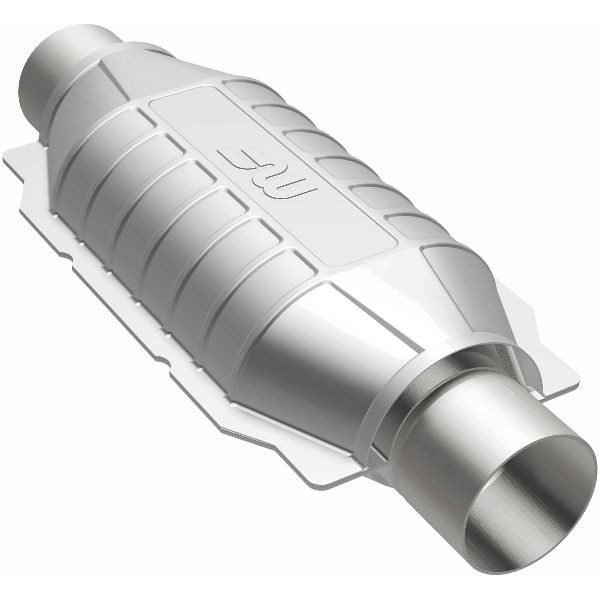
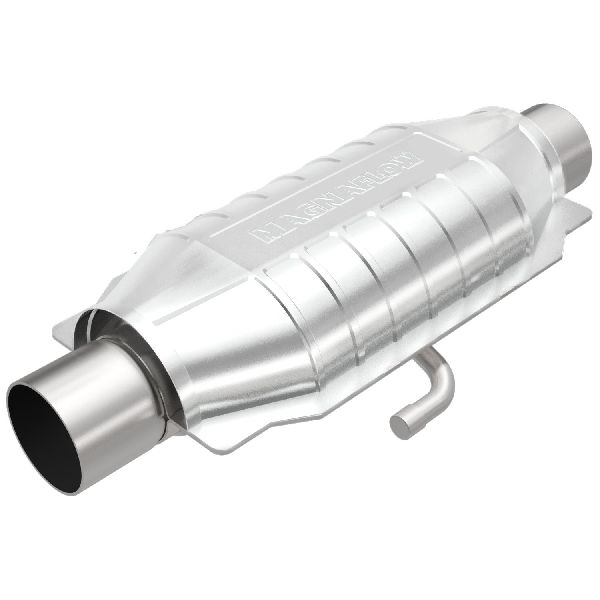
MagnaFlow is often considered a top-tier aftermarket brand, known for quality construction (often stainless steel) and a focus on performance. They offer both direct-fit and universal options. While more expensive, they are a trusted choice for longevity and maintaining or even slightly improving exhaust flow. Some users note that MagnaFlow's universal options may still require some modification to fit perfectly.
Tier 2: Standard Replacement - Walker Exhaust
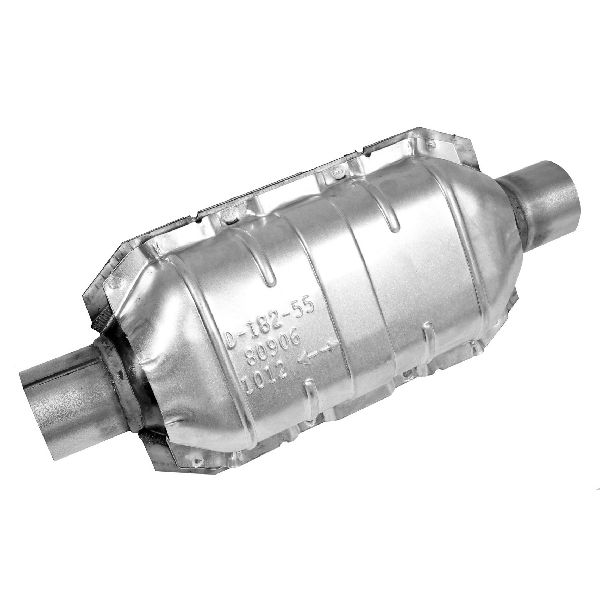
Walker is a massive manufacturer that supplies both OEM and aftermarket parts. They are a go-to for standard, reliable replacements that offer a good balance of quality and price. Mechanics often trust Walker for direct-fit applications that work without issue. Some forum discussions mention potential quality control issues on cheaper universal parts, but their direct-fit options are generally well-regarded.
Tier 3: Economy - Eastern Catalytic
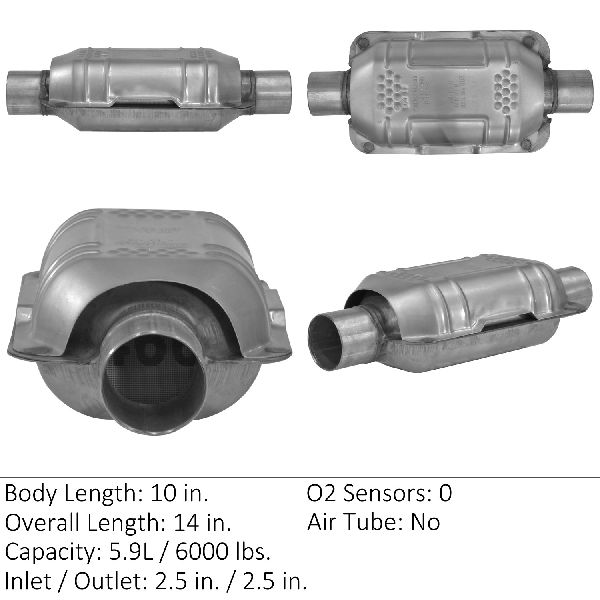
Eastern Catalytic is a budget-friendly option. While some users have had success with them for passing emissions on a budget, others have reported issues with longevity and weld quality. If cost is your primary concern and you just need to get the truck back on the road, Eastern can be a viable choice, but it may not last as long as premium brands.
How Much Will a New Catalytic Converter Cost?
The cost depends heavily on the type of converter and who does the work. Universal converters are cheaper for the part but may have higher labor costs if you're not doing it yourself.
| Part / Service | Estimated Cost |
|---|---|
| New Aftermarket Converter (Part Only) | $126.00 - $591.53 |
| Shop Labor for Installation | $150 - $400 |
| Total Estimated Cost | $276 - $992 |
Frequently Asked Questions
Do I have to replace the catalytic converter on my classic truck?
Legally, yes. Federal law requires a catalytic converter on any vehicle that originally came with one. While your older truck may be exempt from emissions testing in your area, removing the converter is still illegal and can result in fines. It also makes the exhaust smell much worse.
What's the difference between a Federal/EPA and a CARB-compliant converter?
CARB-compliant converters are built to a higher standard with more precious metals to meet the strict emissions laws of California and several other states. Federal (EPA) converters are for all other states. A CARB-compliant converter can be used in any state, but a Federal converter is not legal for sale or use in CARB states.
Why did my original converter fail? Can I prevent the new one from failing?
Converters usually fail because of an engine problem. Issues like misfires, a leaky fuel injector, or burning oil can send unburned fuel or contaminants into the exhaust, which then overheat and melt the inside of the converter. Before installing a new converter, it's crucial to fix any underlying engine issues, or you will likely ruin the new part quickly.
Will a new catalytic converter improve my truck's performance?
If your old converter was clogged, then yes, a new one will restore lost power dramatically. However, if your old converter was working fine, a standard replacement will not add horsepower. A "high-flow" performance model from a brand like MagnaFlow might offer a very minor performance gain by improving exhaust flow, but the main benefit is restoring the power you lost from the clogged unit.
Technical Specifications
Varies by engine (4.1L, 5.0L, 5.7L, etc.) and emissions requirements (Federal vs. California). Most are pre-OBDII and do not have oxygen sensor ports. Construction is typically stainless or aluminized steel.
We Have This Part in Stock

The information in this article is provided for general reference and educational purposes only. Vehicle specifications, procedures, and part compatibility can vary by production date, trim level, and region. Always consult your vehicle's factory service manual and verify part numbers before purchasing or performing repairs. Safety-critical components such as airbags, seat belts, and braking systems should be installed by a qualified professional.
- 🛍️ Shop This Part
- Is Your C1500's Catalytic Converter Failing?
- Key Symptoms of a Bad Catalytic Converter on a 1979-1987 C1500
- Choosing the Right Aftermarket Converter: Direct-Fit vs. Universal
- Aftermarket Brand Tiers for Your GMC C1500
- How Much Will a New Catalytic Converter Cost?
- Frequently Asked Questions
- 🎟️ Get 5% Off