

Ignition Control Module Guide for 1979-1987 GMC C1500 Trucks
Diagnose and fix common stalling and no-start problems in your Square Body GMC.
- The most common symptom of failure is the engine stalling when hot and refusing to restart until it cools down.
- Heat is the primary cause of failure; always apply the included thermal paste to the new module before installation.
- This is a simple DIY repair; the module is located inside the distributor under the cap and rotor.
- Brand quality matters. Stick with reputable names like Delphi or Standard Ignition for reliability; avoid the cheapest options.
Is Your Ignition Module Failing?
The ignition control module in the 1979-1987 GMC C1500 is known for failing due to heat. It sits inside the distributor, where engine temperatures are high. Over time, this heat breaks down the module's internal electronics. A failing module often causes problems that seem random at first but get worse over time.
Common Symptoms:
- Stalling When Hot: This is the most common sign. The truck runs fine when cool, but stalls after reaching operating temperature and won't restart until it cools down.
- No-Start Condition: The engine cranks but never fires up. This can be intermittent at first, happening randomly until it becomes permanent.
- Engine Misfires or Stumbles: The truck may run rough, hesitate during acceleration, or backfire because the module isn't sending a consistent signal to the coil.
- No Spark: A dead module will result in a complete loss of spark from the ignition coil.
Heat is the Enemy
Heat is the number one killer of HEI ignition modules. The module must have a special heat-dissipating grease (thermal paste) applied to its metal base during installation. Without this paste, the new module will overheat and fail very quickly. Always use the packet of paste that comes with your new module.
Choosing the Right Aftermarket Module
For a vehicle of this age, aftermarket parts are often the only option. Original AC Delco modules are praised but can be hard to find. Luckily, several aftermarket brands offer quality replacements. The key is choosing a reputable brand, as quality can vary significantly with cheap, unbranded parts.
Brand Quality Tiers
- Tier 1 (Premium Aftermarket): Delphi, Standard Ignition (Premium Line)
These brands are well-regarded for making parts that meet or exceed original specifications. Delphi has a strong OEM heritage. Standard Motor Products is a long-trusted aftermarket name. They are a reliable choice for a daily driver where dependability is most important. - Tier 2 (Performance): Accel, Proform
These brands often market their modules as "high performance." They may offer benefits for modified engines but have mixed reviews for long-term reliability in daily drivers. Some users report early failures with Accel, while others have good experiences. Proform is often seen as a budget-friendly performance option, but quality can be inconsistent. - Tier 3 (Economy): Store Brands & Unbranded Parts
While the low price is tempting, these modules have the highest rate of premature failure. They are best avoided unless it's an emergency repair, as you will likely be replacing the part again soon.
Keep a Spare
Because module failure is common and can leave you stranded, many experienced C1500 owners keep a spare, tested module and a 7/32" wrench in their glove box. It's a cheap and easy form of insurance.
Typical Replacement Costs
Replacing the ignition module is a simple job you can do yourself. A shop will charge for about an hour of labor.
| Item | Estimated Cost |
|---|---|
| New Aftermarket Module | $48.75 - $105.88 |
| Shop Labor | $90 - $150 |
| Estimated Total (DIY) | $48.75 - $105.88 |
| Estimated Total (Shop) | $138.75 - $255.88 |
Frequently Asked Questions
Where is the ignition control module located?
The ignition control module is located inside the distributor, under the rotor. You must remove the distributor cap and rotor to access it. It is held in place by two small screws.
What is the difference between a 4-pin and 7-pin module?
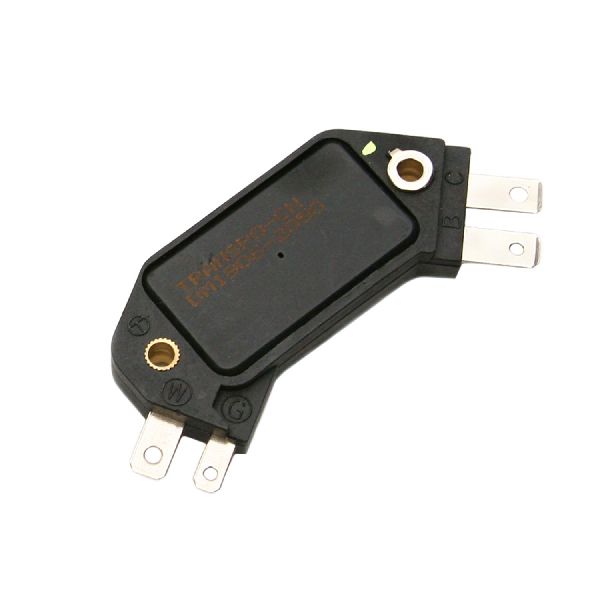
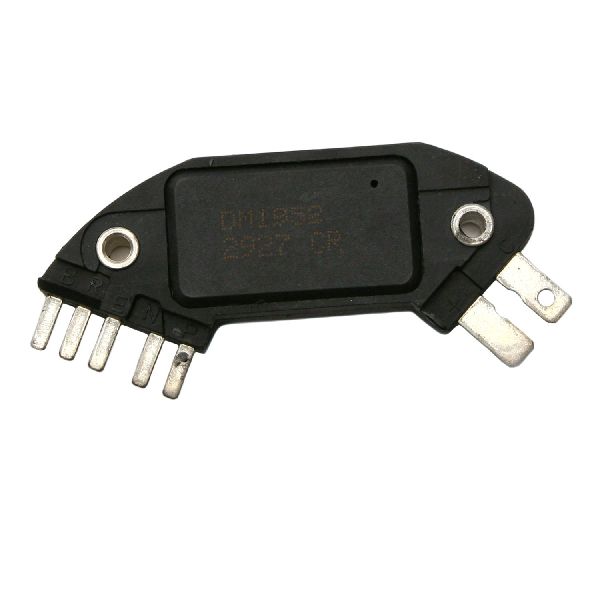
Most 1979-1987 GMC C1500s with carbureted engines use a 4-pin HEI module. Later models with electronic spark control or early fuel injection might use a 7-pin module. It is critical to visually inspect your original module or verify by engine type before ordering to ensure you get the correct part.
Can I test my ignition module?
Yes. Most auto parts stores can test your module for free. However, they often fail only when hot. If you suspect your module is bad, it's best to test it immediately after the engine has stalled to get an accurate result.
Are there any recalls for this part?
No, there are no specific recalls or Technical Service Bulletins (TSBs) from the NHTSA for the ignition control module on the 1979-1987 GMC C1500. The major GM ignition recalls from the 2010s involved different parts on much newer vehicles.
What tools do I need to replace it?
You will need basic hand tools: a Phillips or flathead screwdriver for the distributor cap clips, and a 7/32" or 5.5mm socket or nut driver for the module's retaining screws. You will also need a rag to clean the old thermal paste off the distributor base.
Technical Specifications
OEM Part Numbers: D1906
Typically a 4-pin module for carbureted engines within this year range. Located inside the HEI distributor.
We Have This Part in Stock


The information in this article is provided for general reference and educational purposes only. Vehicle specifications, procedures, and part compatibility can vary by production date, trim level, and region. Always consult your vehicle's factory service manual and verify part numbers before purchasing or performing repairs. Safety-critical components such as airbags, seat belts, and braking systems should be installed by a qualified professional.