

Choosing the Right Radiator for Your 1979-1987 GMC C2500 Suburban
Keep your classic square body running cool with the correct new aftermarket radiator.
- Measure your existing radiator's core height (19" or 21" are common) before ordering a replacement to ensure correct fitment.
- A modern 2-row aluminum radiator can cool as effectively as an older 3- or 4-row copper/brass unit.
- Aftermarket brand quality varies significantly, from reliable units to those with poor fit and durability.
- Always replace the radiator cap with the radiator to ensure the system holds proper pressure.
Symptoms of a Failing Radiator
A bad radiator can lead to serious engine damage if ignored. Watch for these common signs that your C2500 Suburban's radiator needs to be replaced.
- Engine Overheating: This is the most obvious sign. If your temperature gauge is climbing into the red, especially under load or in traffic, your radiator may be clogged or leaking.
- Coolant Leaks: Finding puddles of bright green, orange, or pink fluid under the front of your truck is a clear sign of a leak. On these older models, leaks often develop from cracked plastic side tanks (on later replacement models) or where the tanks are crimped to the aluminum core.
- Rusty or Discolored Coolant: If the coolant in your reservoir looks brown, rusty, or sludgy, it indicates internal corrosion in the radiator. This rust and debris can clog the narrow tubes inside, preventing proper cooling.
- Poor Heater Performance: The vehicle's cabin heater uses hot coolant from the engine to generate warm air. If your radiator is clogged, it can restrict coolant flow to the heater core, resulting in weak or no heat in the cabin.
- Visible Damage: Look for bent or damaged cooling fins, which can restrict airflow. Also, check for corrosion or cracks on the inlet/outlet necks where the hoses connect.
Measure Before You Buy
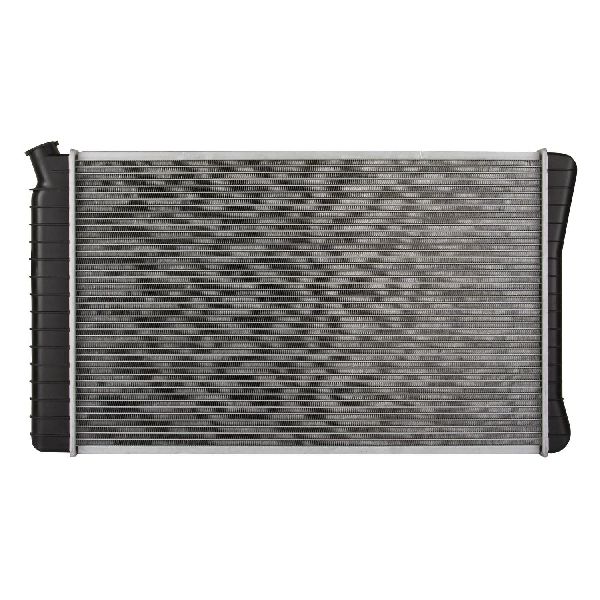
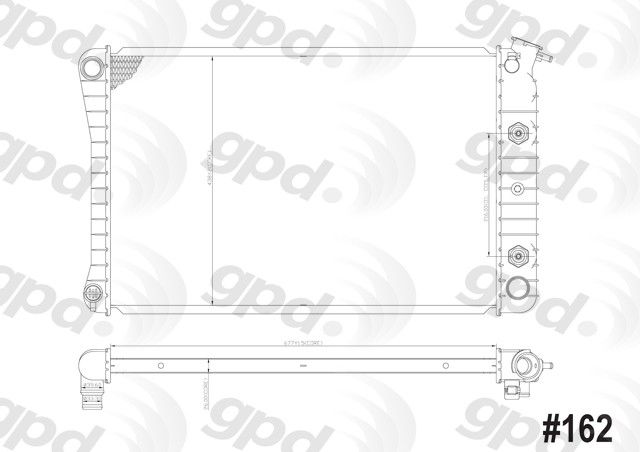
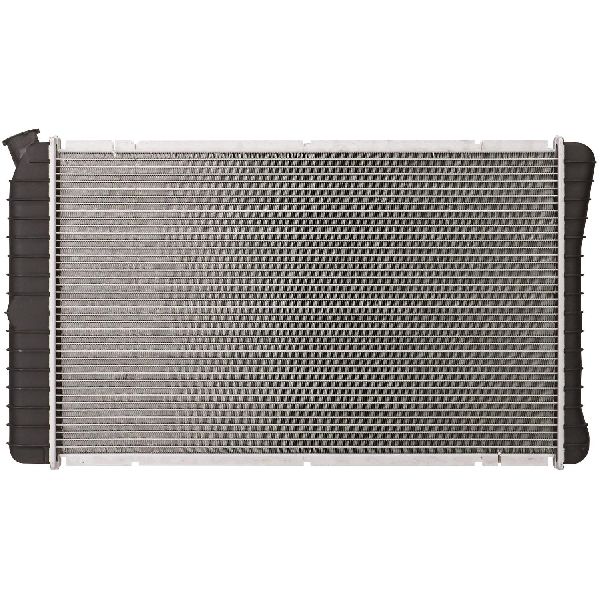
GM used different radiator sizes in these trucks based on the engine and options. Before ordering, measure the height of your radiator's core (the finned center section). Common sizes are 19 inches and 21 inches tall. Also, confirm the location of your upper and lower hose connections and the transmission cooler line fittings to ensure you get an exact match.
Choosing the Right Aftermarket Radiator
Original OEM copper and brass radiators are largely unavailable new. The aftermarket offers a wide range of options, from basic replacements to performance upgrades. They generally fall into a few categories.
Performance Tier: All-Aluminum Radiators
These are often an upgrade over the original design. They are fully TIG-welded and eliminate the plastic tanks that can crack over time. A modern 2-row aluminum radiator with large tubes can often cool more effectively than an older 3- or 4-row copper/brass unit.
- Frostbite: Owned by Holley, Frostbite is a known performance brand offering aluminum radiators for these trucks. They are a popular upgrade, but be aware that some owners have reported receiving units with minor damage or fitment issues like incorrect fitting sizes. It's wise to inspect them carefully upon arrival.
Standard Replacement Tier: OEM-Style Plastic/Aluminum
These radiators mimic the later factory and replacement designs with plastic tanks crimped onto an aluminum core. They are a cost-effective solution for daily driving.
- Spectra: A very common aftermarket brand. Reviews are mixed; some find them to be a good value that fits well, while others have experienced leaks from the crimped seams, sometimes failing just after the warranty expires. They are generally considered a step up from generic, no-name parts.
- Global Parts, One Stop Solutions, Onix: These brands fall into the standard replacement category. While less forum feedback is available for them on this specific truck, they are designed to be direct, OE-style replacements for a stock vehicle.
Economy Tier / Brands to Approach with Caution
While very low prices can be tempting, some budget brands have a reputation for poor quality control.
- APDI: Forum discussions frequently advise against this brand. Owners have reported issues with poor quality, thin materials, and incorrect fitment of fittings, leading to leaks.
Aluminum vs. Copper/Brass
Original radiators were often copper/brass, which is heavier but easier to repair at a specialty shop. Most modern aftermarket radiators are aluminum, which is lighter and often cools more efficiently but is typically replaced rather than repaired. For most owners, a quality aluminum radiator is the modern, practical choice.
| Part Type | Estimated Cost |
|---|---|
| New Aftermarket Radiator | $126.09 - $449.48 |
| Shop Labor for Installation | $200 - $400 |
Frequently Asked Questions (FAQ)
Do I need a 2, 3, or 4-row radiator?
The number of rows refers to the layers of tubes in the radiator core. More rows traditionally meant more cooling capacity. However, modern aluminum radiators with wider tubes mean a 2-row aluminum unit can cool as well as, or better than, an older 3- or 4-row copper/brass unit. For a stock or lightly modified truck, a quality 2-row aluminum or 3-row copper/brass style radiator is usually sufficient.
Is installing a new radiator a DIY job?
Yes, for those with basic mechanical skills and tools, this is a very feasible DIY project. The process involves draining the coolant, removing the fan shroud, disconnecting hoses and transmission lines, and swapping the unit. The main challenges are dealing with old hose clamps and ensuring you don't spill coolant.
Do I need to replace my radiator cap?
Yes, it is highly recommended. A new radiator cap is inexpensive and ensures the system can hold the correct pressure. A weak or failing cap can cause the system to boil over at a lower temperature, making you think the new radiator is faulty.
What is the most common mistake when ordering a radiator for this truck?
The most common mistake is not confirming the core dimensions. These trucks were offered with different radiator sizes, most commonly 19" or 21" tall cores. Ordering the wrong size will lead to installation problems. Always measure your old radiator before you buy.
Technical Specifications
Core Material: Copper/Brass (Original) or Aluminum (Aftermarket); Tank Material: Brass (Original) or Plastic/Aluminum (Aftermarket); Core Height: Varies, typically 19" or 21"; Core Rows: 2, 3, or 4; Inlet/Outlet Location & Size: Varies by engine; Includes integrated automatic transmission fluid cooler.
We Have This Part in Stock


The information in this article is provided for general reference and educational purposes only. Vehicle specifications, procedures, and part compatibility can vary by production date, trim level, and region. Always consult your vehicle's factory service manual and verify part numbers before purchasing or performing repairs. Safety-critical components such as airbags, seat belts, and braking systems should be installed by a qualified professional.
- 🛍️ Shop This Part
- Symptoms of a Failing Radiator
- Measure Before You Buy
- Choosing the Right Aftermarket Radiator
- Performance Tier: All-Aluminum Radiators
- Standard Replacement Tier: OEM-Style Plastic/Aluminum
- Economy Tier / Brands to Approach with Caution
- Aluminum vs. Copper/Brass
- Frequently Asked Questions (FAQ)
- 🎟️ Get 5% Off