

A Deep Dive into the 1979-1987 GMC K1500 Parking Brake Cable
Don't let a failed cable leave your classic GMC rolling—here's what you need to know before you buy.
- A loose pedal or inability to hold the truck on a hill are critical signs of failure.
- Always inspect all three cable sections (front, rear left, rear right); it's best to replace them as a set.
- Adjust the rear drum brakes at the star wheel *before* adjusting the tension on the new cable.
- Aftermarket brands like Dorman and Raybestos are the most common options, but always compare the new part to the old one before installation.
Is Your Parking Brake Cable Failing?
On a classic truck like the '79-'87 K1500, parking brake cables are wear items. Rust, stretching, and fraying are their biggest enemies. A sudden 'pop' followed by the pedal going limp is a sure sign of a snapped cable. Here are the common symptoms to watch for:
- Loose or Spongy Pedal: If the parking brake pedal goes to the floor with little resistance, the cable has likely stretched or broken.
- Truck Rolls When Parked: The most obvious sign is when the parking brake no longer holds the truck, especially on a hill. This is a critical safety failure.
- Brake Won't Release: A rusted or seized cable can prevent the parking brake from disengaging, causing the rear brakes to drag while you drive.
- Visible Damage: A quick look underneath your truck might reveal a cable that is visibly frayed, kinked, or rusted through.
Check Your Whole System
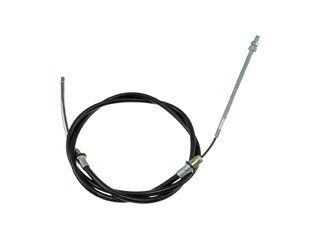
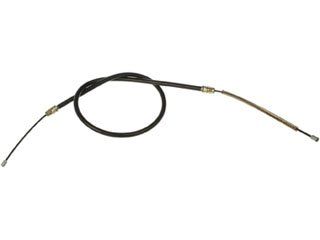
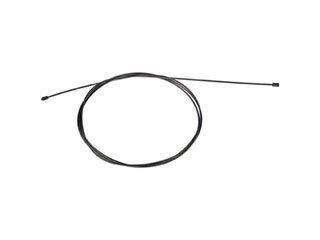
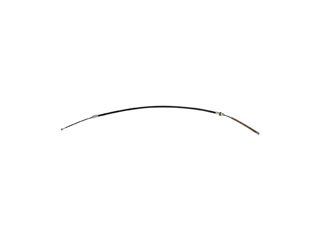
The parking brake system on the K1500 has three main cable sections: one front and two rear (left and right). If one has failed due to age and rust, the others are likely in similar condition. It is highly recommended to inspect and often replace all three cables at the same time for a complete and reliable repair.
Choosing the Right Aftermarket Cable
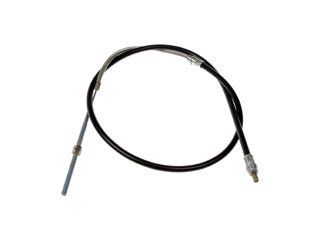
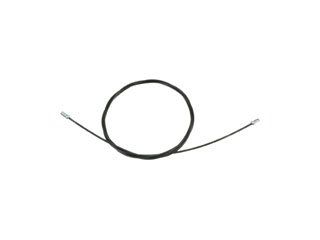
For a vehicle of this age, new OEM (Original Equipment Manufacturer) parts are generally not available from dealers. The market is served by aftermarket brands. For the K1500, Dorman and Raybestos are two common choices.
- Dorman: This brand is known for its wide availability and is often the most affordable. However, owner feedback suggests their quality can be "hit or miss." Some parts fit perfectly, while others may have slight variations from the original that require modification.
- Raybestos: As a legacy brand in braking, Raybestos is generally well-regarded. However, even with a respected brand, some users have reported receiving aftermarket cables that feel less heavy-duty than the originals. For a simple part like a cable, many users still consider them a solid choice and sometimes preferable to Dorman.
Pro Tip: No matter which brand you choose, compare the new cable to your old one before installation. Check that the length, mounting ends, and rubber boots are a close match. This simple step can save you a lot of trouble under the truck.
Known Issues, Recalls, and Service Bulletins
There are no active recalls or common Technical Service Bulletins (TSBs) from GMC specifically for the parking brake cables on the 1979-1987 K1500. Problems with these cables are almost always due to age-related wear and tear, such as rust and stretching.
| Part/Service | Estimated Cost |
|---|---|
| New Aftermarket Cable (Single) | $27.53 - $48.57 |
| Shop Labor for Replacement (All Cables) | $150 - $250 |
Frequently Asked Questions
Do I need to replace all the cables at once?
It's strongly recommended. The cables are all the same age and have been exposed to the same conditions. If the front cable snaps, the rear ones are likely weak as well. Replacing them all at once saves you from having to do the job again in the near future.
Is replacing a parking brake cable a DIY job?
Yes, for someone with moderate mechanical skill and basic tools. It requires working safely under the vehicle. The most challenging part is often compressing the spring at the end of the cable to attach it to the brake shoe lever inside the drum. Vise grips and pliers are essential.
What's the difference between the front and rear cables?
The front cable runs from the pedal assembly under the dash to the frame-mounted equalizer. The two rear cables are typically different lengths (one for the driver's side, one for the passenger's side) and connect the equalizer to each rear wheel's brake assembly. You must order the correct cable for each position.
My new cable is installed, but the brake is still loose. What's wrong?
Before you tighten the cable adjuster nut, you must ensure the rear drum brakes themselves are properly adjusted. The star wheel adjuster inside the drum should be set so the brake shoes are just barely touching the drum. The cable adjuster is only meant to remove the final bit of slack from the cable, not to compensate for worn or out-of-adjustment brake shoes.
Technical Specifications
The system consists of a front cable, a left rear cable, and a right rear cable connected by an equalizer. Cable lengths vary by truck wheelbase and specific year. The cables connect mechanically to the rear drum brake assemblies.
We Have This Part in Stock

The information in this article is provided for general reference and educational purposes only. Vehicle specifications, procedures, and part compatibility can vary by production date, trim level, and region. Always consult your vehicle's factory service manual and verify part numbers before purchasing or performing repairs. Safety-critical components such as airbags, seat belts, and braking systems should be installed by a qualified professional.