

A Guide to Aftermarket Radiators for the 1979-1987 GMC K1500
Keep your classic square body GMC running cool by choosing the right replacement radiator for your needs.
- Measure your core height (17" or 19") and confirm your transmission type (automatic or manual) before ordering a new radiator.
- For heavy-duty use, towing, or modified engines, upgrading to an all-aluminum radiator is a smart investment in durability and cooling performance.
- Always replace the radiator cap and inspect the upper and lower hoses when installing a new radiator to prevent future leaks.
- There are no specific recalls or factory defects; failures are due to age and normal wear and tear.
Symptoms of a Failing Radiator
An old radiator can cause serious engine problems. Watch for these common signs that your K1500's radiator is on its way out:
- Engine Overheating: The most obvious sign is the temperature gauge climbing into the red. This means the radiator can no longer cool the engine effectively. Continuing to drive an overheating truck can lead to severe engine damage like warped cylinder heads.
- Coolant Leaks: Finding puddles of bright green, orange, or pink fluid under the front of your truck is a clear sign of a leak. On these older models, leaks often come from cracked plastic side tanks or corroded seams between the tank and the core.
- Rusty or Sludgy Coolant: If the coolant in your overflow tank looks brown, rusty, or thick, it indicates internal corrosion in the radiator. This gunk can clog the cooling system and lead to bigger problems.
- Visible Damage: Look for bent or crumbling cooling fins, which reduce airflow. Also, check for white or rusty stains on the radiator itself, which can indicate slow leaks.
Choosing the Right Aftermarket Radiator
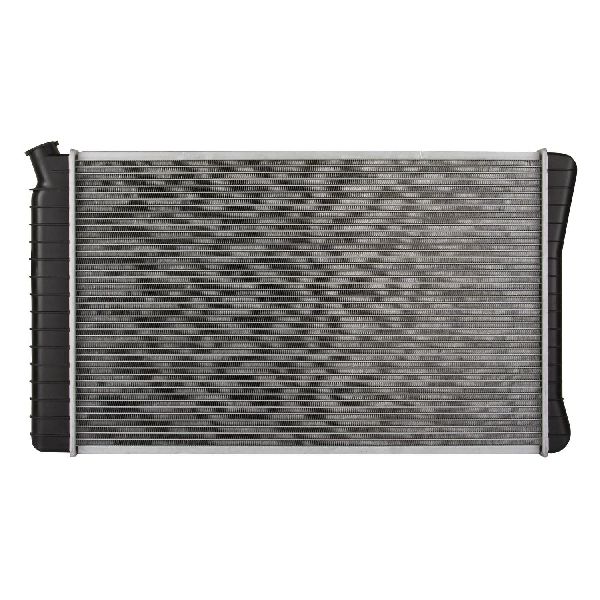
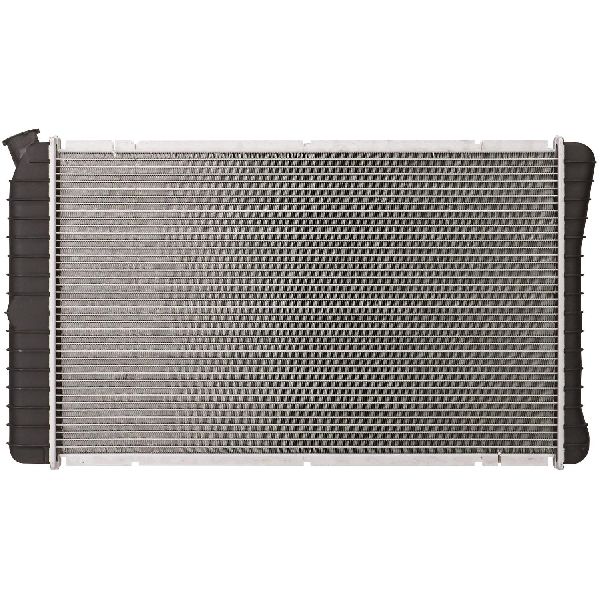
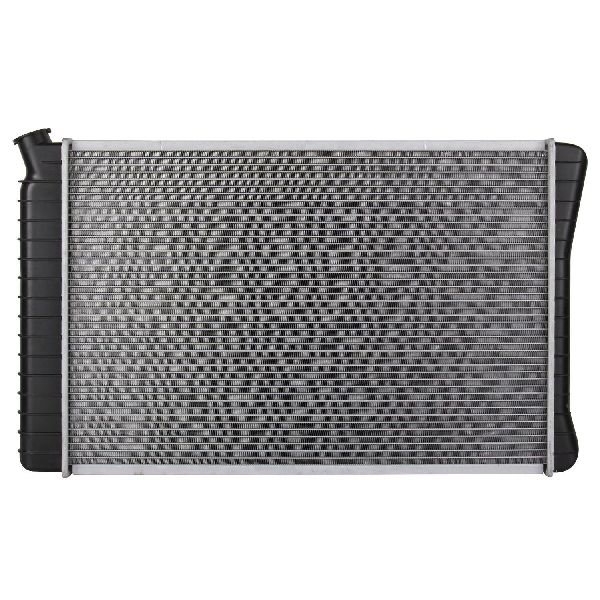
Original copper and brass radiators for these trucks are mostly a thing of the past unless you go to a specialty restoration shop. Today's aftermarket is dominated by two main types: standard replacements with plastic tanks and aluminum cores, and performance-oriented all-aluminum radiators.
Measure Before You Order!
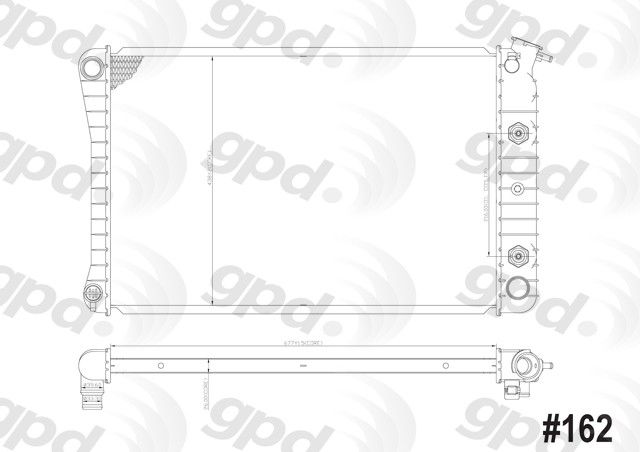
The 1979-1987 K1500 used different radiator sizes. Before buying, measure the height of your radiator's core (the finned area). It will likely be 17 or 19 inches tall. Also, confirm if your truck has an automatic transmission, as you will need a radiator with an integrated transmission fluid cooler.
Performance Tier: All-Aluminum Radiators
Brands: Frostbite, Mishimoto
These radiators are fully TIG welded and made entirely of aluminum, eliminating the plastic tanks that are a common failure point. They often feature more cooling rows (3 or 4) and a thicker core for improved heat dissipation, making them an excellent choice for trucks with modified engines, heavy towing duties, or those operating in hot climates. Forum users frequently recommend brands like Champion and Frostbite as a worthwhile upgrade for durability and cooling efficiency. While Mishimoto is a known performance brand, some users in forums have reported leaks developing after a few years of use.
Standard Replacement Tier: OEM-Style Radiators
Brands: ACDelco, Spectra, APDI
These radiators are designed to be direct, affordable replacements for the original factory part. They typically feature an aluminum core with plastic side tanks, similar to most modern vehicles. ACDelco is GM's own parts brand and is generally considered a reliable choice for fit and function. Spectra is a very common aftermarket brand that offers a good balance of price and quality for a daily driver. These are a solid, budget-friendly choice for a stock truck under normal use.
Economy Tier: Value-Priced Radiators
Brands: Global Parts, One Stop Solutions, Onix, Replacement
These brands focus on providing the lowest possible price point. They are functional replacements that will get your truck back on the road. However, they may not offer the same longevity or cooling performance as higher-priced units. For a truck that isn't a daily driver or used for heavy work, these can be a cost-effective solution.
| Part Type | Estimated Cost |
|---|---|
| New OEM | $400+ (Largely discontinued) |
| New Aftermarket | $36.14 - $449.95 |
| Used OEM | $50 - $150 |
| Shop Labor | $200 - $450 |
Frequently Asked Questions
Should I get a 2, 3, or 4-row radiator?
The number of rows refers to the layers of tubes in the radiator's core. A stock engine in a temperate climate will be fine with a 2-row or 3-row radiator. If you tow frequently, have a high-horsepower engine, or live in a very hot climate, upgrading to a 3-row or 4-row radiator will provide significantly better cooling.
Is an all-aluminum radiator better than one with plastic tanks?
For durability, yes. The plastic tanks on standard radiators can become brittle over time and crack, which is a very common failure point. All-aluminum radiators are welded, making them much more robust and resistant to leaks at the seams. For a work truck, the extra cost is often a good investment in reliability.
Do I need to replace my radiator hoses and cap?
Yes, it is highly recommended. You have to remove the hoses anyway, and old rubber can become soft or brittle, leading to future leaks. A new radiator cap is also essential, as a weak cap won't hold the proper pressure in the system, which can cause the engine to run hot.
Are there any recalls or TSBs for my truck's radiator?
No. A search of the National Highway Traffic Safety Administration (NHTSA) database shows no recalls or technical service bulletins (TSBs) specifically for the radiator on the 1979-1987 GMC K1500. Any issues you encounter will be due to the part's age and normal wear.
Technical Specifications
Core Material: Aluminum or Copper/Brass (Original); Tank Material: Plastic or Aluminum; Core Height: 17-inch or 19-inch; Rows: 2, 3, or 4; Inlet/Outlet Configuration: Varies by engine and year; Transmission Cooler: Included on models for automatic transmissions.
We Have This Part in Stock


The information in this article is provided for general reference and educational purposes only. Vehicle specifications, procedures, and part compatibility can vary by production date, trim level, and region. Always consult your vehicle's factory service manual and verify part numbers before purchasing or performing repairs. Safety-critical components such as airbags, seat belts, and braking systems should be installed by a qualified professional.