

A Closer Look at the 1979-1987 Mazda B2000 Automatic Transmission Oil Cooler
Keep your classic Mazda B2000's automatic transmission from overheating with the right replacement oil cooler.
- Heat is the primary enemy of your B2000's automatic transmission; a functional cooler is essential.
- Aftermarket stacked-plate coolers from brands like Derale or Hayden are a quality upgrade over the original system.
- Symptoms include reddish fluid leaks, a burning smell, and poor shifting performance.
- This is a manageable DIY project for most home mechanics, but be prepared to handle transmission fluid.
Is Your Transmission Cooler Failing?
For a truck as old as the 1979-1987 Mazda B2000, parts wear out. The transmission cooler is no exception. Because information on specific issues for this truck is limited, you should watch for general signs of failure. If you see these symptoms, your cooler or its lines might be the problem.
Symptoms of a Bad Transmission Oil Cooler
- Fluid Leaks: This is the most common sign. You might see puddles of thin, reddish-brown fluid under the front of your truck. The cooler itself or the rubber and metal lines connected to it can crack and leak over time.
- Transmission Overheating: If your cooler is clogged internally or has a major leak, it can't cool the fluid effectively. This can cause the transmission to overheat, which you might notice as a warning light on some vehicles or a burning smell.
- Burnt Smell: A strong, burnt toast smell coming from your engine bay is a serious red flag. This often means the transmission fluid is burning because it's too hot.
- Poor Shifting: When transmission fluid gets too hot, it loses its ability to lubricate and maintain pressure. This can cause the transmission to shift harshly, slip between gears, or hesitate.
A Note on OEM Parts and Recalls
For a vehicle of this age, original equipment manufacturer (OEM) transmission coolers are no longer in production. Likewise, there are no active recalls or Technical Service Bulletins (TSBs) from Mazda or the NHTSA for the automatic transmission oil cooler on the 1979-1987 B2000. All available new parts are from aftermarket manufacturers.
Choosing the Right Aftermarket Cooler
Since you'll be buying an aftermarket part, it's important to know that most are universal-fit. This means they are designed to work on many different vehicles, including your B2000, but may require some slight modification to mount. There are two main types:
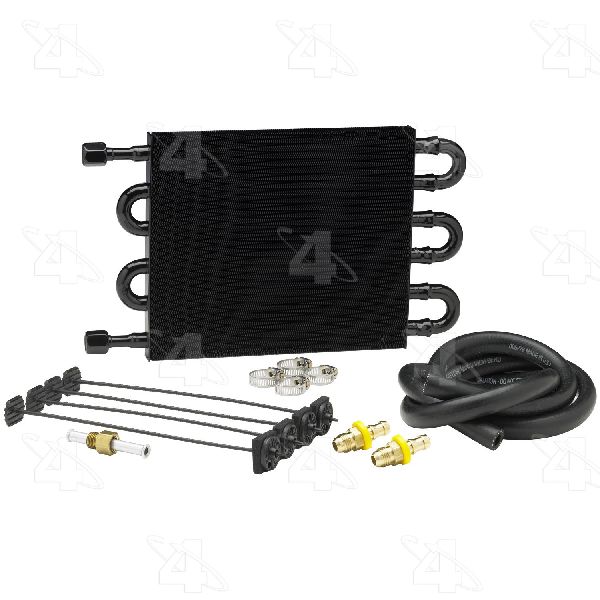
- Tube-and-Fin: This is a basic design where fluid runs through a tube with fins attached to dissipate heat. They are affordable but less efficient.
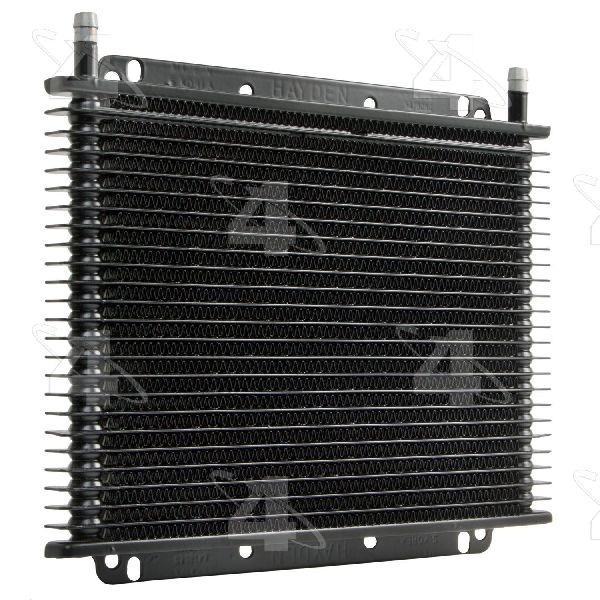
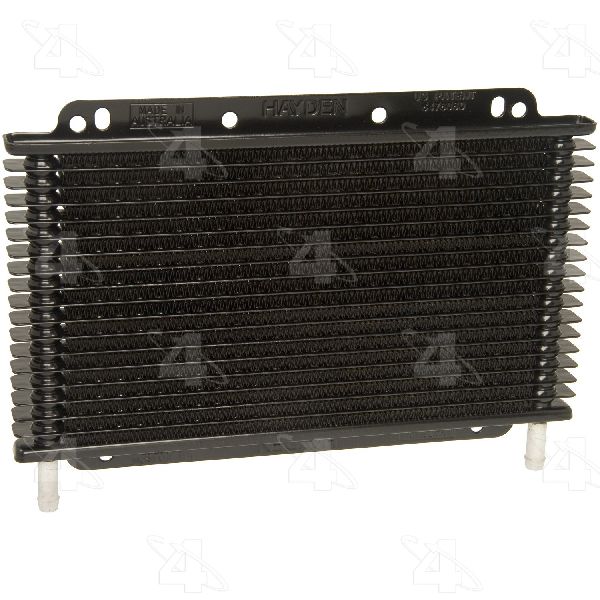
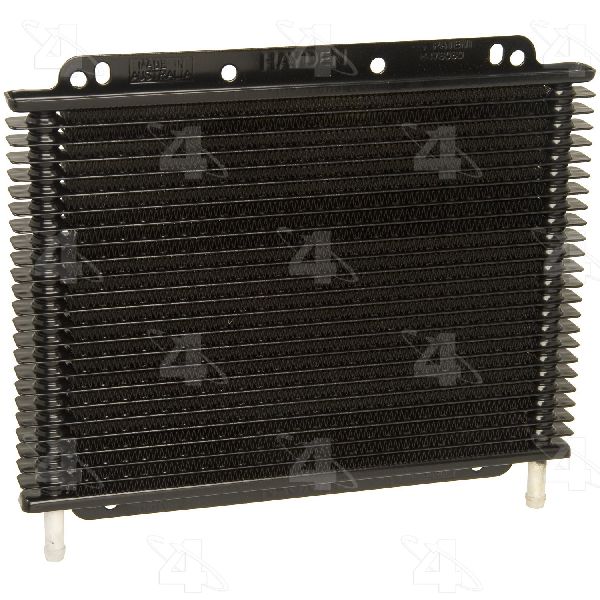
- Stacked-Plate: This is a more modern and efficient design. It forces the fluid through a series of plates, providing more surface area for cooling. For a hard-working truck, a stacked-plate cooler is a worthwhile upgrade.
Brand Quality Tiers
Based on general reputation in the aftermarket world, brands can be grouped into tiers. Specific reviews for a B2000 are rare, so this is based on wider user experience.
- Tier 1 (Good Quality): Brands like Derale and Hayden are well-regarded for making reliable, high-performance coolers. They are often recommended on forums for custom builds and heavy-duty use.
- Tier 2 (Standard/Economy): Four Seasons is a common aftermarket brand that offers functional, budget-friendly parts. Quality can sometimes be inconsistent compared to higher-tier brands.
- Unknown Tier: There is not enough public information or reviews to form a quality assessment for the Global Parts brand.
Pro Tip: Installation
When installing a new universal cooler, you will also need to replace the flexible rubber hoses that connect it. The original hoses are likely old and brittle. Most cooler kits come with new hose and mounting hardware, but it's a good idea to check what's included.
Expected Costs for Replacement
| Item | Estimated Cost |
|---|---|
| Aftermarket Automatic Transmission Oil Cooler | $51.93 - $95.39 |
| Shop Labor | $170 - $350 |
| Total Estimated Cost | $222 - $445 |
Frequently Asked Questions (FAQ)
Can I install a transmission cooler myself?
Yes, this is a DIY-friendly job for someone with basic tools and mechanical ability. It involves removing the grille, mounting the new cooler, and connecting the hoses. You will need to handle transmission fluid, so have a drain pan ready.
Is a bigger cooler always better?
Not necessarily. While a larger cooler offers more cooling capacity, which is great for towing, it's important not to over-cool the transmission fluid, especially in cold climates. For most B2000 owners, a medium-sized stacked-plate cooler is an excellent, balanced choice.
Do I install the new cooler in addition to the factory one?
Most older vehicles like the B2000 run transmission fluid through a cooling circuit inside the main engine radiator. The best way to install an aftermarket cooler is "in series" with the factory setup. This means the fluid goes from the transmission, to the radiator, then to the new auxiliary cooler, and finally back to the transmission. This provides maximum cooling.
What kind of transmission fluid does the 1979-1987 B2000 use?
Always check your owner's manual, but vehicles from this era typically used DEXRON-II or MERCON automatic transmission fluid. Using the correct fluid is critical for proper transmission function.
Technical Specifications
Most aftermarket coolers for this application are universal fit. The two primary types are Tube-and-Fin (basic) and Stacked-Plate (high efficiency). An external cooler is typically mounted in front of the vehicle's radiator. Hoses are typically 3/8 inch or 11/32 inch diameter.
We Have This Part in Stock
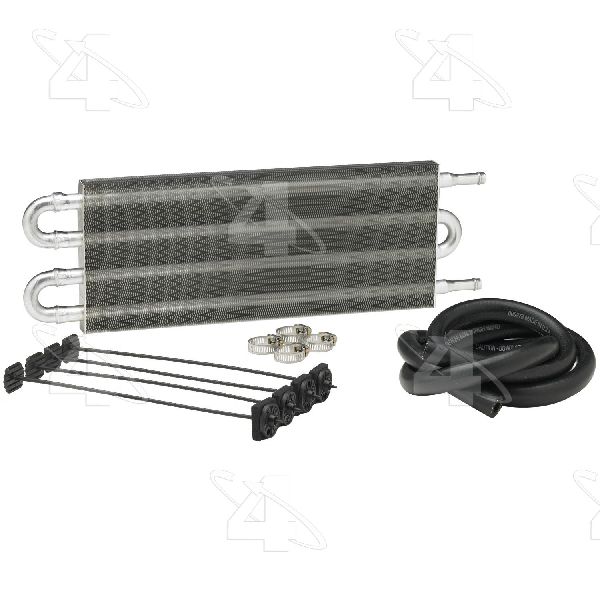
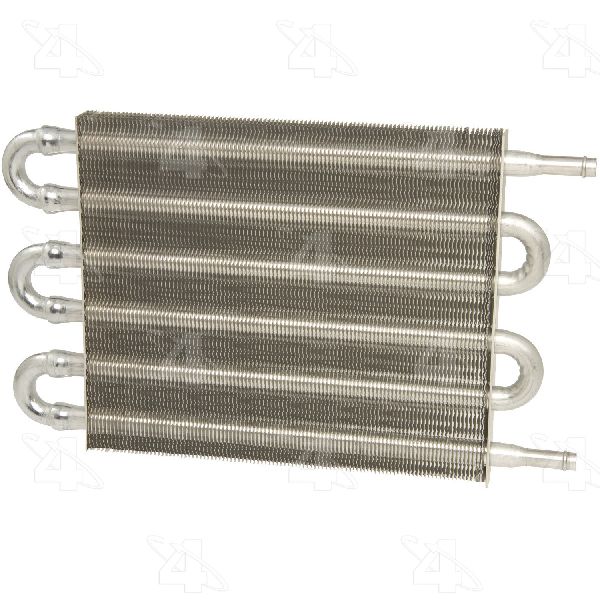

The information in this article is provided for general reference and educational purposes only. Vehicle specifications, procedures, and part compatibility can vary by production date, trim level, and region. Always consult your vehicle's factory service manual and verify part numbers before purchasing or performing repairs. Safety-critical components such as airbags, seat belts, and braking systems should be installed by a qualified professional.