

Cadillac Seville 1979-1988 Oxygen Sensor: A Comprehensive Guide
Restore your classic Seville's performance and fuel economy by understanding and replacing its oxygen sensor.
- Your 1979-1988 Seville likely has only one unheated oxygen sensor, making replacement straightforward.
- A new sensor can fix common issues like bad gas mileage, rough idle, and a Check Engine light with codes 13 or 45.
- For best results, choose a quality aftermarket brand like Denso or NGK/NTK, as some older GM cars can be sensitive to other brands.
- Be prepared for the old sensor to be seized; use penetrating oil generously before attempting removal with an O2 sensor socket.
Is Your Seville Running Rough? It Could Be the Oxygen Sensor
If your 1979-1988 Cadillac Seville is experiencing a drop in fuel mileage, a rough idle, or has a lit Check Engine light, a failing oxygen sensor is a likely culprit. This sensor is a key component for managing your engine's fuel mixture. Over time, it can become contaminated by exhaust soot, oil, or coolant, or simply wear out from age and heat cycles. Since these classic Sevilles use a simple unheated sensor, they have a typical lifespan of 30,000 to 50,000 miles and should be considered a routine maintenance item.
Symptoms of a Failing Oxygen Sensor
A bad oxygen sensor sends incorrect information to your engine's computer, leading to a number of noticeable problems. Look out for these common signs:
- Poor Fuel Economy: The computer may default to a rich fuel mixture, causing the engine to use more gasoline than necessary.
- Rough Idle and Engine Misfires: An imbalanced air-fuel ratio can cause your Seville's engine to run unevenly, especially at idle.
- Check Engine Light: This is the most direct indicator. On these older GM vehicles, specific diagnostic codes can point to the oxygen sensor.
- Failed Emissions Test: An incorrect fuel mixture leads to higher levels of pollutants in the exhaust.
- Rotten Egg Smell: A very rich fuel mixture can overwhelm the catalytic converter, producing a distinct sulfur smell from the exhaust.
Vehicle-Specific Known Issues: TSB for Codes 13 & 45
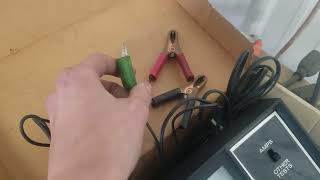
Cadillac issued a Technical Service Bulletin (TSB) for 1981-1987 Sevilles with the HT4100 or V8-6-4 engines. It notes that a condition can occur where Diagnostic Trouble Codes 13 🎬 Watch: Troubleshooting GM DTC Code 13 for older vehicles (Oxygen Sensor Circuit Open) and 45 (Rich Exhaust Monitor) are set 🎬 See how to diagnose and fix a GM code 45 at the same time. This often happens when a prolonged rich condition (Code 45) causes the sensor to lose sensitivity, which then triggers Code 13. If you have both codes, it strongly points to a failed oxygen sensor or a related fuel system issue. No recalls have been issued by the NHTSA for the oxygen sensor on these models.
Choosing the Right Aftermarket Oxygen Sensor
For a classic car like the Seville, you don't need to find a rare, expensive OEM part. High-quality aftermarket sensors offer excellent performance and reliability. Aftermarket brands are generally as durable as their OEM counterparts but are more affordable. Here’s a breakdown of the available brands:
- Premium Brands (Recommended): Denso, NGK (also sold as NTK), and Bosch are top-tier manufacturers that often supply automakers directly. They are known for their reliability and precise operation. For older GM vehicles, some owners prefer Denso or NGK/NTK, as they have a strong reputation for compatibility.
- Standard Quality Brands: Delphi, Walker Products, and Spectra offer a good balance of quality and value. They are reliable choices for a daily driver or a car on a budget.
- Economy Brands: DriveWire is a budget-friendly option. While functional, it may not offer the same longevity or precise calibration as premium brands.
Pro Tip: Check Your Wire Count
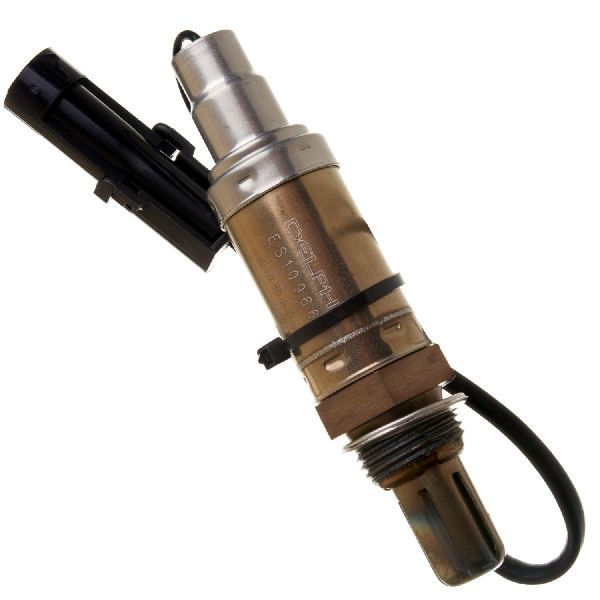
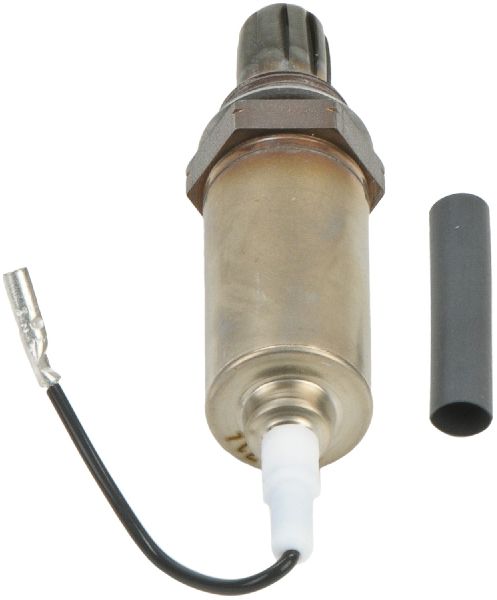
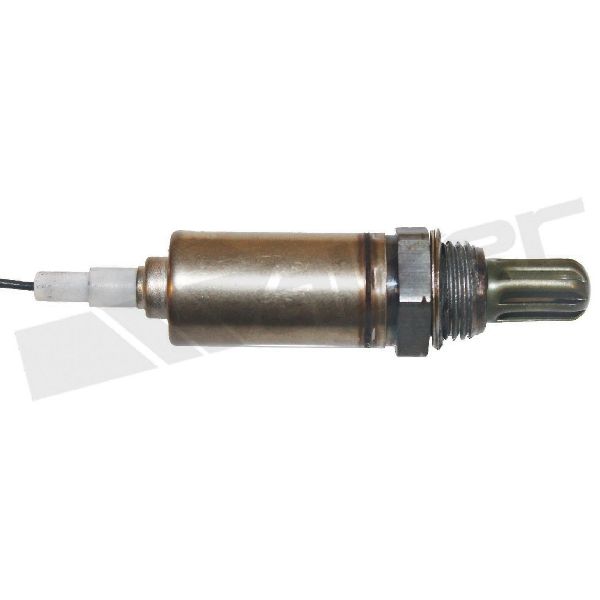
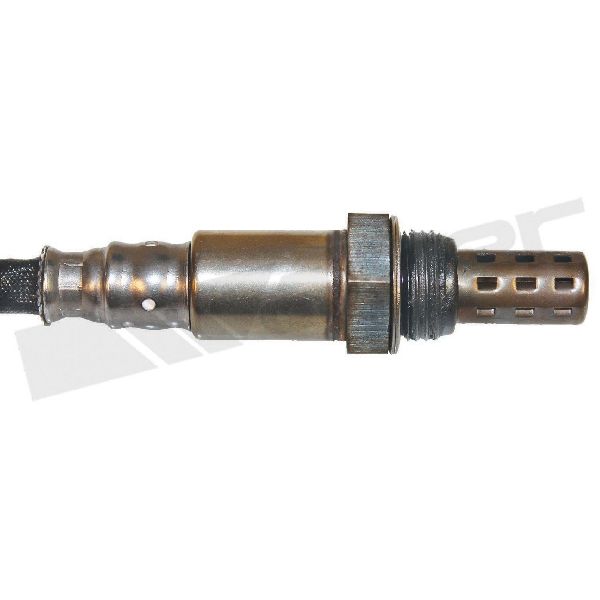
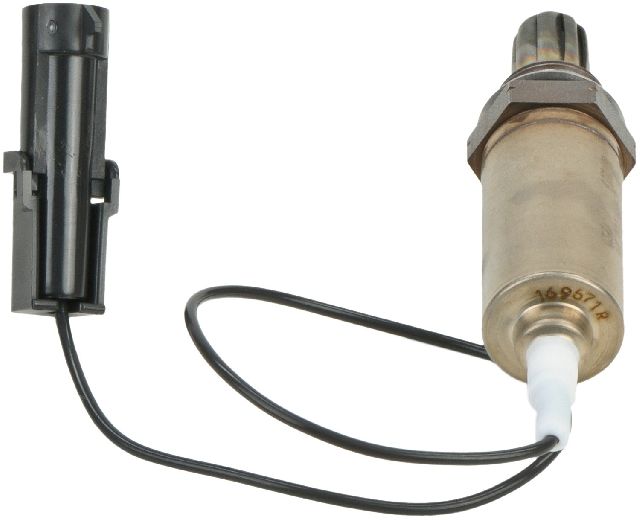
Most 1979-1988 Sevilles use a simple, unheated oxygen sensor with only one or two wires. Before ordering, it's a good idea to visually inspect your current sensor to confirm the wire count and ensure you purchase a direct-fit replacement. A direct-fit sensor with the correct plug is much easier to install than a universal sensor that requires splicing wires.
Oxygen Sensor Replacement Cost for 1979-1988 Cadillac Seville
The cost consists of the part itself and labor if you have a shop perform the work. Labor is typically low, but can increase if the old sensor is seized and difficult to remove.
| Item | Estimated Cost |
|---|---|
| New Aftermarket Oxygen Sensor | $21.55 - $70.53 |
| Shop Labor | $50 - $120 |
| Total Estimated Cost | $71 - $191 |
Frequently Asked Questions (FAQ)
How many oxygen sensors does my 1979-1988 Seville have?
Most Sevilles from this generation have only one oxygen sensor. It is located upstream, in the exhaust manifold or pipe before the catalytic converter. This simplifies diagnosis and replacement.
Can I clean my old oxygen sensor?
It is not recommended. The sensor's delicate internal components wear out over time, and cleaning the exterior will not restore its accuracy. Given the low cost of a new aftermarket sensor, replacement is the only reliable solution.
Is this a difficult part to replace myself?
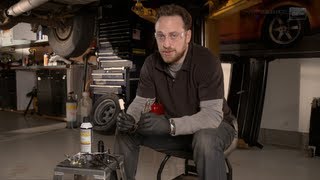
The replacement itself is simple, but challenges can arise. The sensor can become rusted and seized in the exhaust pipe. It's recommended to soak the sensor with penetrating oil a day before attempting removal and to use a special oxygen sensor socket. 🎬 Watch this walkthrough on how to replace an oxygen sensor In some cases, heating the exhaust bung with a torch may be necessary to break it free.
What is the difference between a 1-wire and a heated sensor?
Your Seville uses a 1-wire or 2-wire unheated sensor. It relies on the heat from the exhaust gas to reach its operating temperature. Newer vehicles use heated sensors (with 3 or 4 wires) that have an internal heating element to get them working faster, which improves emissions on a cold engine. You must replace your sensor with the correct unheated type.
Helpful Videos
Technical Specifications
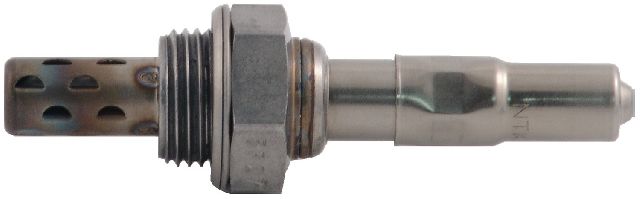
Most models use a single, upstream, unheated oxygen sensor. The specific part will be either a 1-wire or 2-wire design depending on the model year and engine.
We Have This Part in Stock

The information in this article is provided for general reference and educational purposes only. Vehicle specifications, procedures, and part compatibility can vary by production date, trim level, and region. Always consult your vehicle's factory service manual and verify part numbers before purchasing or performing repairs. Safety-critical components such as airbags, seat belts, and braking systems should be installed by a qualified professional.
- 🎬 Helpful Videos
- 🛍️ Shop This Part
- Is Your Seville Running Rough? It Could Be the Oxygen Sensor
- Symptoms of a Failing Oxygen Sensor
- Vehicle-Specific Known Issues: TSB for Codes 13 & 45
- Choosing the Right Aftermarket Oxygen Sensor
- Pro Tip: Check Your Wire Count
- Oxygen Sensor Replacement Cost for 1979-1988 Cadillac Seville
- Frequently Asked Questions (FAQ)
- 🎟️ Get 5% Off