

A Guide to Replacing the Carburetor on Your 1979-1989 GMC P3500
If your workhorse van is running rough, stalling, or hesitating, a new carburetor might be the solution.
- Common symptoms like rough idle, stalling, and hesitation strongly point to a failing carburetor on these older vans.
- There are no recalls; problems are due to age and wear. A full replacement is often more reliable than a rebuild.
- Choose between a direct-fit remanufactured Uremco for easy installation or a new universal Holley for performance tuning.
- If you see or smell leaking fuel, do not drive the vehicle as it is a serious fire hazard.
Is Your P3500's Carburetor Failing?
For a vehicle from the 1979-1989 model years, carburetor problems are very common. The original Rochester Quadrajet carburetors were complex, and after decades of use, heat cycles, and exposure to modern ethanol-blended fuels, they are prone to failure. If you're experiencing issues like rough idling, stalling at stoplights, or poor acceleration, your carburetor is a likely suspect.
Common Symptoms of a Bad Carburetor
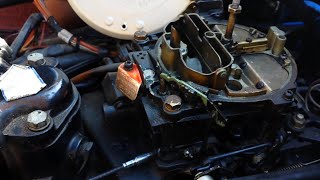
🎬 Watch: A visual guide to identifying bad carburetor symptoms.- Hard Starting: Needing to crank the engine for a long time or pump the gas pedal repeatedly to get it to start, especially when cold.
- Rough Idle or Stalling: The engine idles unevenly, surges, or dies when you come to a stop. This can be caused by vacuum leaks or clogged internal passages.
- Hesitation or Bogging: A noticeable delay, stumble, or loss of power when you press the gas pedal.
- Black Smoke from Exhaust: This indicates the engine is running "rich," meaning there's too much fuel and not enough air in the mixture.
- Poor Fuel Economy: A worn or out-of-tune carburetor wastes fuel, leading to more frequent and expensive trips to the gas station.
- Fuel Leaks or Strong Gas Smell: Leaks can come from old gaskets, seals, or even cracks in the carburetor body. This is a serious fire hazard and must be addressed immediately.
Choosing the Right Aftermarket Carburetor
Since new original equipment (OEM) carburetors for this vehicle are no longer made, your choice is between a new universal carburetor or a remanufactured direct-fit model.
Brand Tiers: New vs. Remanufactured
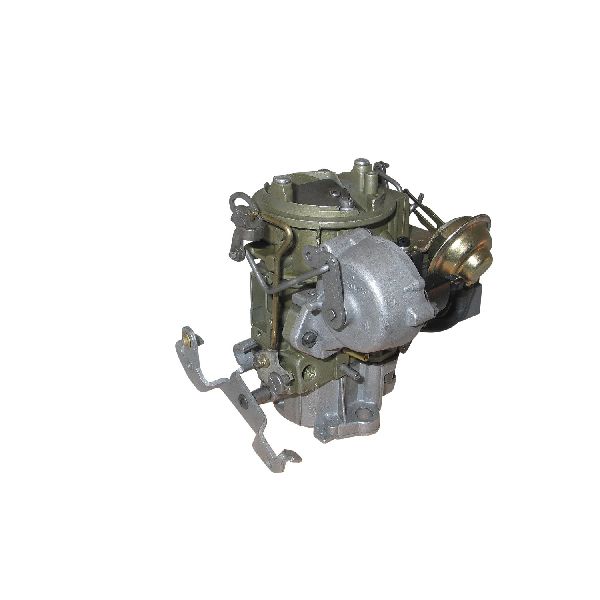
Holley (New Universal): Holley is a legendary name in performance carburetors. A new Holley, such as a 4160 model, is a universal-style carburetor.
- Pros: Brand new components, wide availability of tuning parts, and generally simpler design than the original Quadrajet. Many mechanics are familiar with tuning them.
- Cons: May require an adapter plate to fit the stock intake manifold. It will also require more initial setup and tuning (idle speed, mixture, choke) to run perfectly with your specific engine. It is not a simple "bolt-on and go" part.
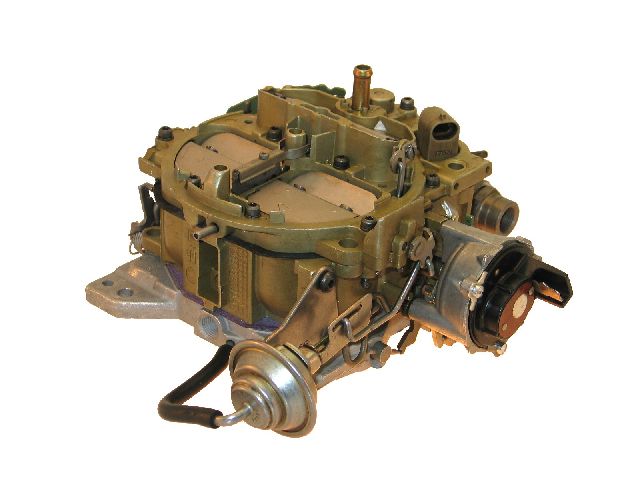
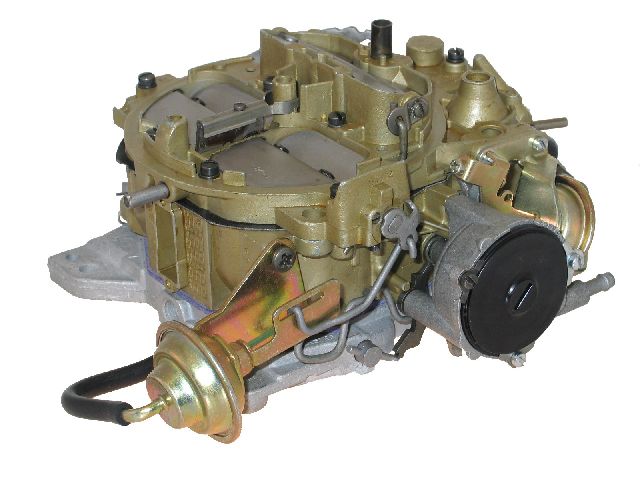
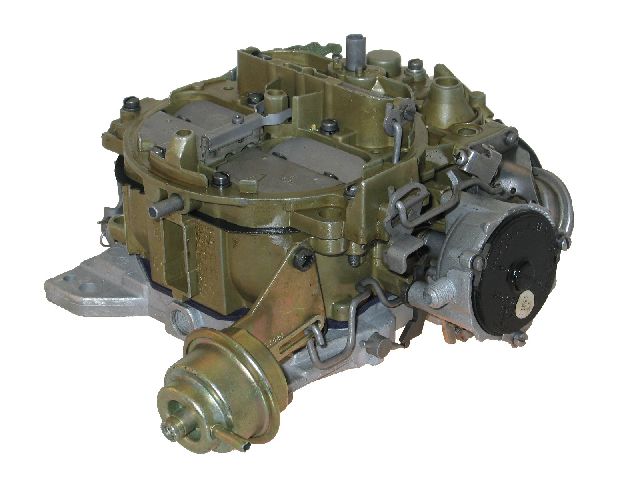
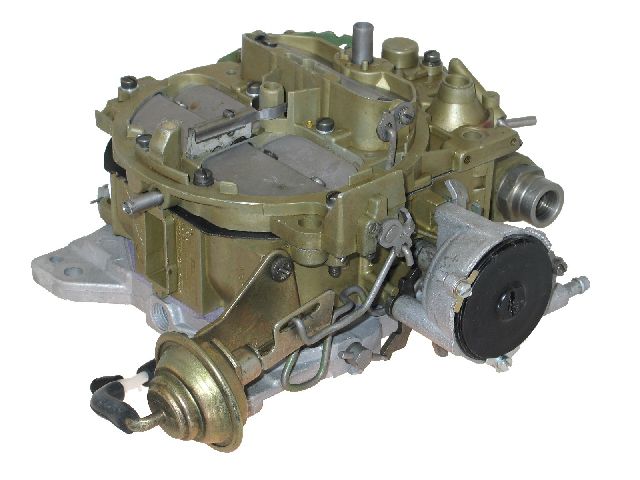
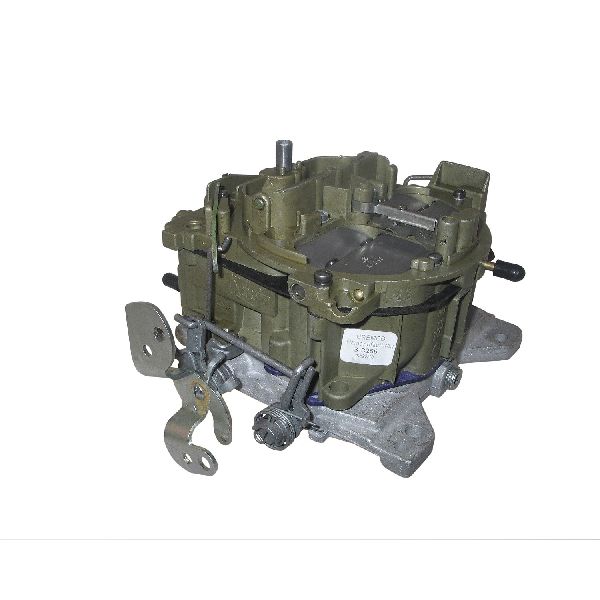
Uremco (Remanufactured Direct-Fit): Uremco specializes in remanufacturing original carburetors to factory specifications. For the P3500, this would be a professionally rebuilt Rochester Quadrajet.
- Pros: This is a direct, bolt-on replacement. All vacuum lines, fuel inlets, and linkages will match the original setup, making installation much simpler. It's designed to work out of the box with minimal tuning.
- Cons: While it has been rebuilt with new seals and wear items, the main body and some hard parts are still used components.
Which Should You Choose?
For most P3500 owners looking for a reliable, straightforward repair, a Uremco remanufactured carburetor is the recommended choice. It eliminates the guesswork of installation and tuning. If you are building a modified or performance engine and enjoy tuning, a Holley offers more flexibility.
Cost to Replace a GMC P3500 Carburetor
| Part or Service | Estimated Cost |
|---|---|
| New Aftermarket Carburetor (Holley) | $400 - $570 |
| Remanufactured Carburetor (Uremco) | $368 - $500 |
| Shop Labor for Installation & Tuning | $200 - $450 |
| Total Professional Replacement | $568 - $1020 |
Frequently Asked Questions
Can I install a new carburetor myself?
Yes, this is a manageable job for a DIYer with basic tools and some experience. The process involves removing the air cleaner, carefully disconnecting the fuel line, throttle cable, and vacuum hoses, unbolting the old carb, and then reversing the process. It typically takes 2-4 hours. Always disconnect the battery first and take pictures of the hose layout before you begin.
🎬 See this walkthrough on how to remove and replace your carburetor.Does a new aftermarket carburetor need to be tuned?
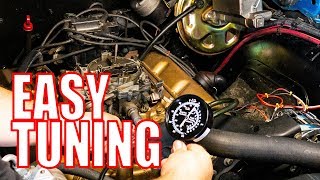
Yes. Even a direct-fit remanufactured carb will require minor adjustments to the idle speed and air/fuel mixture screws for your specific engine. 🎬 Watch: Learn the basics of tuning a Rochester Quadrajet carburetor. A universal carb like a Holley will require more comprehensive tuning. Most are set up from the factory to get the engine running, but fine-tuning is necessary for optimal performance and fuel economy.
What is CFM and why does it matter?
CFM stands for Cubic Feet per Minute and measures how much air the carburetor can flow. For a stock or mildly modified V8 engine in a P3500 (like a 350 or 454), a 600-750 CFM carburetor is a good match. Using a carburetor that is too large can actually hurt performance and throttle response on a stock engine.
Should I just rebuild my original carburetor?
Rebuilding can be a low-cost option if the carburetor's main body isn't warped or damaged, with kits costing around $40-$100. However, Rochester Quadrajets are complex and can be very difficult to rebuild correctly without special knowledge. If your carb has been tampered with over the years or is severely worn, a complete replacement is often a more reliable long-term solution.
Are there any recalls on the P3500 carburetor?
No, there are no recalls or major technical service bulletins (TSBs) from the NHTSA for the carburetor on the 1979-1989 GMC P3500. All problems with the original part are due to its age and normal wear over several decades of service.
Helpful Videos
Technical Specifications
The original carburetor was typically a Rochester Quadrajet (M4M) 4-barrel with an electric choke. Aftermarket replacements should be rated for the vehicle's V8 engine, typically in the 600-750 CFM range.
We Have This Part in Stock

The information in this article is provided for general reference and educational purposes only. Vehicle specifications, procedures, and part compatibility can vary by production date, trim level, and region. Always consult your vehicle's factory service manual and verify part numbers before purchasing or performing repairs. Safety-critical components such as airbags, seat belts, and braking systems should be installed by a qualified professional.