

1979-1990 GMC G1500 Transmission Torque Converter Clutch Solenoid Guide
If your G1500 van is stalling at stops or shuddering at highway speeds, a faulty TCC solenoid is a likely cause.
- The most common symptom of a failed TCC solenoid in a G1500 is the engine stalling when you come to a stop.
- This part is primarily for vans with the 4-speed TH700R4 transmission (approx. 1982-1990); confirm you have a 16-bolt pan before buying.
- Always replace the transmission filter and fluid when replacing the solenoid to ensure a complete and lasting repair.
- A quality aftermarket brand like Standard Ignition offers excellent reliability and is a smart choice for this repair.
Is Your GMC G1500 Stalling at Stop Signs?
A common and frustrating problem for owners of 1979-1990 GMC G1500 vans is the engine suddenly stalling when coming to a stop. Many times, the cause isn't the engine, but a small part inside the transmission: the Torque Converter Clutch (TCC) solenoid. When this solenoid fails, it can cause drivability issues that can be misdiagnosed as a more serious engine or transmission problem.
Verify Your Transmission First
This guide applies primarily to G1500s with the 4-speed automatic overdrive transmission (TH700R4/4L60), which is identifiable by its 16-bolt oil pan. Earlier models may have a 3-speed TH350 or TH400, which have different solenoid setups or none at all. Always confirm your transmission type before ordering parts.
Symptoms of a Failing TCC Solenoid
A bad TCC solenoid can fail in two ways: stuck open (always unlocked) or stuck closed (always locked). The symptoms will vary depending on the failure mode.
- Engine Stalling at Stops: This is the most serious symptom. If the solenoid is stuck in the locked position, it acts like trying to stop a manual transmission vehicle without pushing in the clutch. The engine is forced to a stop because it's still directly connected to the wheels.
- Shuddering at Highway Speeds: You might feel a vibration that feels like driving over rumble strips, especially between 40-55 mph under light throttle. This can happen if the solenoid is failing to engage the clutch smoothly or is rapidly engaging and disengaging.
- Poor Fuel Economy: If the solenoid fails to lock the converter, your engine will run at a higher RPM on the highway, wasting fuel.
- Transmission Overheating: An unlocked converter generates more heat from fluid friction, which can shorten the life of your transmission fluid and internal components.
- RPM Fluctuations: You may notice the tachometer needle bouncing up and down by 200-300 RPM while cruising at a steady speed as the transmission attempts to lock the converter.
Choosing the Right Aftermarket Solenoid
For a vehicle of this age, new OEM parts can be hard to find and expensive. Aftermarket solenoids offer excellent value and performance. The key is to choose a reputable brand.
- Tier 1 / Professional Grade (Standard Ignition): Standard Motor Products (SMP) has a strong reputation for producing high-quality electronic components that meet or exceed OEM specifications. They often use premium materials like 100% copper windings and perform extensive testing. For a critical part like a TCC solenoid, choosing a brand like Standard Ignition provides peace of mind and long-term reliability.
- Tier 2 / Standard Replacement (ATP, Pioneer Cable): Brands like ATP and Pioneer offer direct-fit replacement parts at a more budget-friendly price. They are designed to restore original function and are a good choice for standard repairs. While generally reliable, they may not have the same level of material specification or quality control as premium brands.
Do the Job Right
Since replacing the solenoid requires removing the transmission oil pan, it is the perfect time to also replace the transmission filter and fluid. This is critical maintenance that helps ensure the longevity of your transmission and your new solenoid.
Estimated Costs
| Part/Service | Estimated Cost |
|---|---|
| New Aftermarket TCC Solenoid | $49.37 - $120.19 |
| Shop Labor | $150 - $300 |
| Total Estimated Cost | $200 - $420 |
Costs are estimates and will vary based on your location, vehicle condition, and the specific parts chosen.
Frequently Asked Questions
Can I replace the TCC solenoid myself?
Yes, this is a feasible DIY job for someone with moderate mechanical skill. It involves safely raising the vehicle, draining the transmission fluid, removing the oil pan, and replacing the solenoid which is typically held by a single bolt. The main challenges are dealing with messy transmission fluid and ensuring the pan is re-sealed correctly to prevent leaks.
Will a bad TCC solenoid damage my transmission?
While the solenoid itself is a small part, ignoring its failure can lead to bigger problems. A solenoid that fails to lock up can cause the transmission to overheat, which is a leading cause of automatic transmission failure. A solenoid that is stuck locked causes severe strain on the engine and transmission components every time you stop.
What is the difference between a TCC solenoid and a shift solenoid?
A TCC solenoid's only job is to lock and unlock the torque converter. Shift solenoids, on the other hand, control the flow of fluid to engage the different gear sets (1st, 2nd, 3rd, etc.). While they are both electronic solenoids located in the transmission, they perform different functions and cause different symptoms when they fail.
My van is a 1980 model. Does it have this solenoid?
It might. The 1979-1990 G1500 could be equipped with several transmissions. The most common was the 3-speed TH350 in early years and the 4-speed TH700R4 in later years. Some versions of the TH350 used a lockup torque converter and would have a TCC solenoid, but it was nearly standard on the 700R4. You must verify which transmission your van has before buying parts.
Technical Specifications
OEM Part Numbers: 8642473 8683125
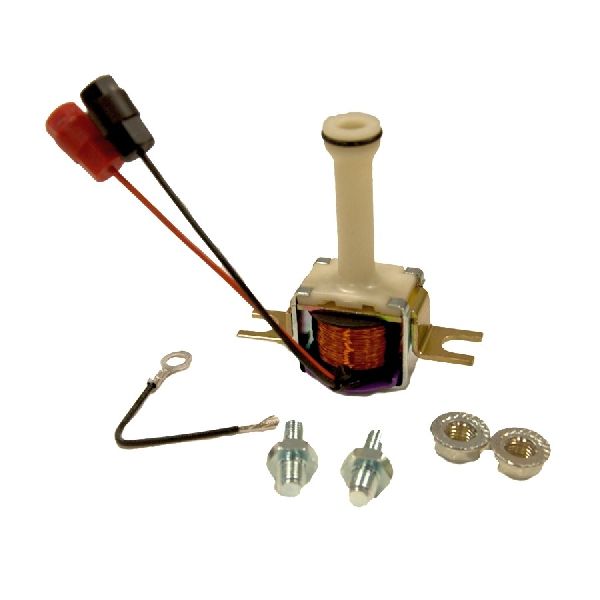
Single-bolt mount, 2-pin electrical connector, located inside the transmission on the valve body. Controls the torque converter clutch lock-up function.
We Have This Part in Stock


The information in this article is provided for general reference and educational purposes only. Vehicle specifications, procedures, and part compatibility can vary by production date, trim level, and region. Always consult your vehicle's factory service manual and verify part numbers before purchasing or performing repairs. Safety-critical components such as airbags, seat belts, and braking systems should be installed by a qualified professional.