

Toyota Celica Engine Coolant Bypass Hose Guide (1979-1990)
Leaking coolant or overheating? Your Celica's bypass hose might be the problem.
- Failure is due to age; inspect all coolant hoses when one fails.
- The correct hose varies greatly by engine (22R-E, 3S-GE, etc.); verify your specific model.
- OEM parts are likely discontinued; aftermarket brands like Gates are the recommended solution.
- A leaking bypass hose can lead to critical engine overheating if not addressed.
Is Your Celica's Bypass Hose Failing?
For a car as classic as a 1979-1990 Toyota Celica, rubber parts like the coolant bypass hose are often living on borrowed time. After decades of exposure to heat and pressure, the original rubber breaks down. Don't wait for a catastrophic failure that leaves you stranded.
Key Symptoms of a Bad Bypass Hose:
- Coolant Leaks: You might see puddles of green or red fluid under your car. The bypass hose on many Celica engines, like the 22R-E, is tucked under the intake manifold, so a leak might drip onto other parts of the engine first.
- Sweet Smell: A distinct sweet smell from the engine bay is a classic sign of burning coolant.
- Overheating Engine: If the hose fails completely, you'll lose coolant rapidly, causing the engine temperature to spike. This is a serious condition that can cause major engine damage.
- Visible Hose Damage: Check the hose for cracks, splits, or soft, spongy spots. A bulge in the hose is a sign of imminent failure.
A Note on Different Celica Generations
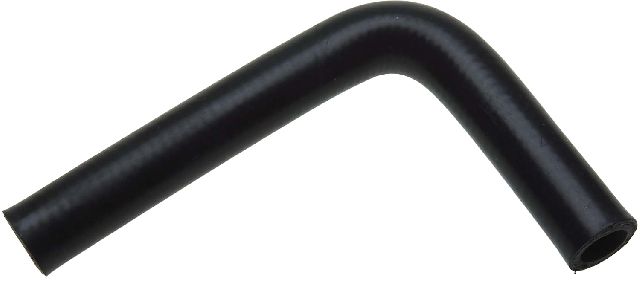
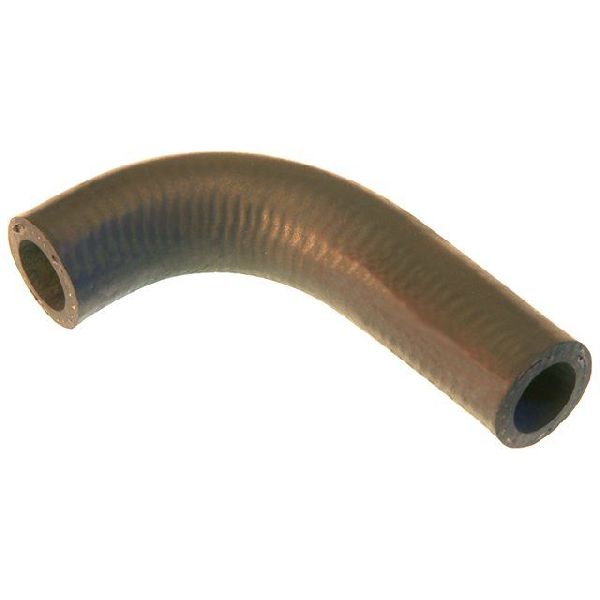
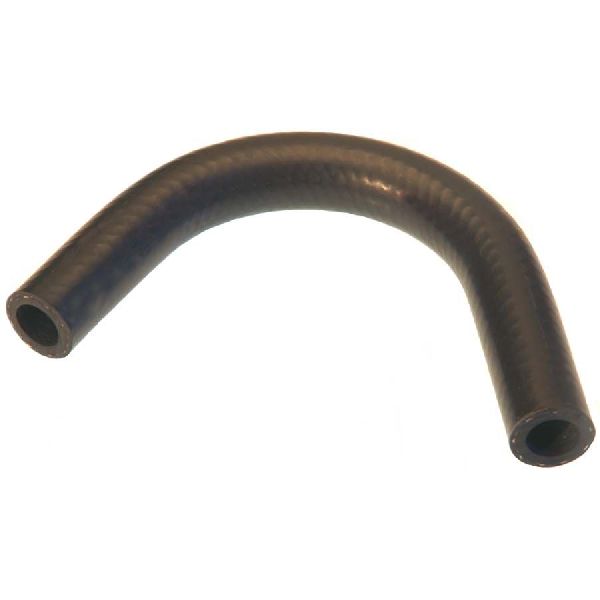
The 1979-1990 range covers several Celica generations and engines (like the 20R, 22R, 22R-E, 3S-GE, and 5S-FE). The exact shape, size, and location of the bypass hose can be very different. For example, the U-shaped hose under the intake on a 22R-E is notoriously difficult to access. Always double-check that the part you're buying is correct for your specific year and engine code.
Choosing the Right Aftermarket Bypass Hose
Finding a new OEM bypass hose from Toyota for a vehicle this old is nearly impossible, as many have been discontinued. Thankfully, quality aftermarket brands are available.
Brand Tiers for Your Celica:
- Top Tier (Recommended): Gates
Gates has a strong reputation in the automotive world for making high-quality belts and hoses that fit correctly. Forum users and mechanics often prefer Gates because their parts are well-cataloged and tend to match the original shape, which is critical for the complex, pre-molded hoses found in these cars. - Mid-Tier (Good Value): Dayco & Continental
Dayco is a widely available and affordable option. While many have used Dayco hoses without issue, some mechanics report occasional fitment problems. Continental is another major manufacturer, but like Dayco, fit can sometimes be less precise than Gates. For a simple hose, either brand is usually a safe bet.
Pro Tip: When replacing one old coolant hose, it's smart to inspect all of them. The other hoses are the same age and have endured the same conditions. Replacing them all at once can save you from another breakdown in the near future. Also, consider replacing the hose clamps with new spring-style clamps, which provide more consistent pressure than worm-drive clamps.
Cost of Replacing a Bypass Hose
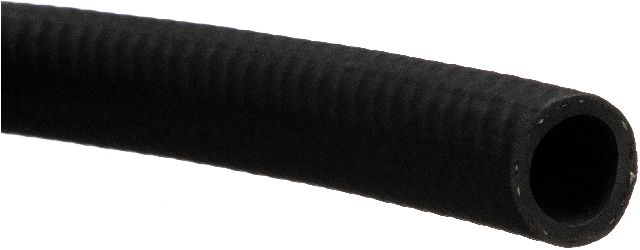
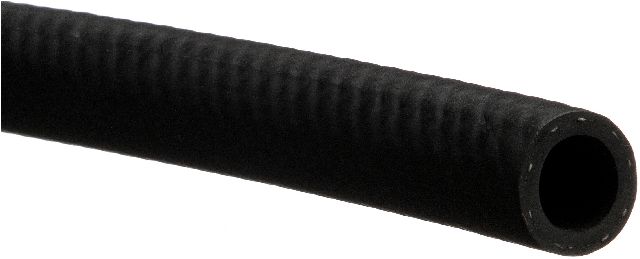
The cost depends heavily on which specific hose your Celica needs. Some are simple straight hoses, while others are complex molded shapes that are more expensive.
| Part Type | Cost Range |
|---|---|
| New Aftermarket Hose | $7.65 - $93.11 |
| Shop Labor | $100 - $300+ |
Labor costs can vary dramatically. A simple, accessible hose might take less than an hour, while a hose buried under the intake manifold (like on the 22R-E) could take several hours.
Frequently Asked Questions
Are there any recalls on this part?
No. There are no active recalls or common Technical Service Bulletins (TSBs) for the engine coolant bypass hose on the 1979-1990 Toyota Celica. Failures are due to the age and wear of the rubber.
Can I use a generic straight hose?
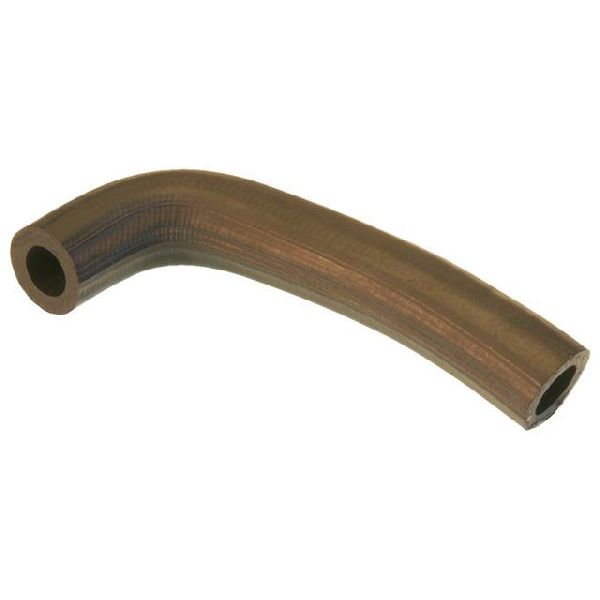
Only if the original part was also a straight hose. Most Celica bypass hoses have specific pre-formed bends to navigate around other engine components. Using a straight hose where a molded one is required can cause it to kink, blocking coolant flow and leading to overheating.
Why is there such a big price difference between hoses?
The wide price range ($7.65 - $93.11) reflects the variety of hoses used across the different Celica models and engines from 1979 to 1990. A simple, small-diameter hose that can be cut to length will be inexpensive. A complex, multi-bend, reinforced hose for a specific engine like the 3S-GTE will be on the higher end of the price range.
What is the "Hose from Hell"?
This is a nickname given by owners of cars with the 3S-GTE engine (found in some later Celica All-Trac models) to a specific coolant hose that is extremely difficult to access and replace. If you have a 3S-GTE, be aware that some hose replacements are very labor-intensive.
Technical Specifications
OEM Part Numbers: 16264-35011 16282-88380
Varies by engine type and year. Can be a simple straight hose or a complex, pre-molded EPDM rubber hose. Common engines include 20R, 22R, 22R-E, 3S-GE, 5S-FE.
We Have This Part in Stock

The information in this article is provided for general reference and educational purposes only. Vehicle specifications, procedures, and part compatibility can vary by production date, trim level, and region. Always consult your vehicle's factory service manual and verify part numbers before purchasing or performing repairs. Safety-critical components such as airbags, seat belts, and braking systems should be installed by a qualified professional.