

Your 1979-1992 Buick Regal Oxygen Sensor: A Comprehensive Replacement Guide
Don't let a bad oxygen sensor hurt your Regal's performance and fuel economy.
- Most 1979-1992 Regals have only one upstream oxygen sensor, making replacement simple and affordable.
- A bad O2 sensor will cause poor gas mileage, a rough idle, and will lead to a failed emissions test.
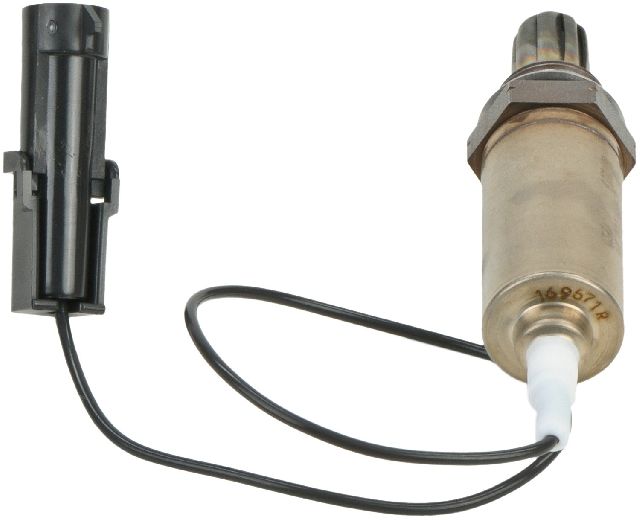
- Verify if your car needs a 1-wire (unheated) or 3-wire (heated) sensor; premium brands like Denso, NGK, or Bosch are recommended for best performance.
- The biggest challenge for DIY replacement is removing the old, often-seized sensor; use penetrating oil and a proper O2 sensor socket.
Understanding the Oxygen Sensor in Your G-Body Regal
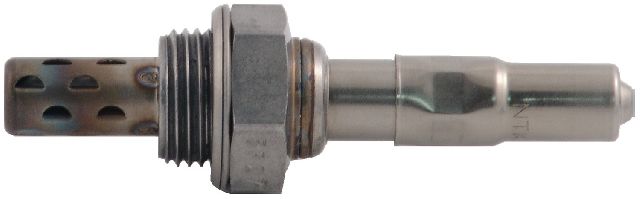
The oxygen sensor, often called an O2 sensor, is a small but vital component screwed into your Regal's exhaust system. Its job is to act like a nose, sniffing the exhaust gases to tell the engine's computer how well it's burning fuel. Over the long production run from 1979 to 1992, Buick used different fuel systems. Early models might have a simple one-wire unheated sensor working with a feedback carburetor, while later fuel-injected models, especially the Turbo and Grand National, use more responsive sensors. Regardless of the type, when it fails, your car's performance suffers.
Symptoms of a Failing Oxygen Sensor
A bad oxygen sensor won't usually leave you stranded, but it will cause noticeable problems. The most common sign is the Check Engine Light illuminating on your dashboard. You may also experience a significant drop in fuel economy, a rough or irregular idle, engine hesitation or misfires, and a rotten egg or sulfur smell from the exhaust. In severe cases, a failing sensor can lead to damage to your catalytic converter, which is a much more expensive repair.
Heated vs. Unheated Sensors
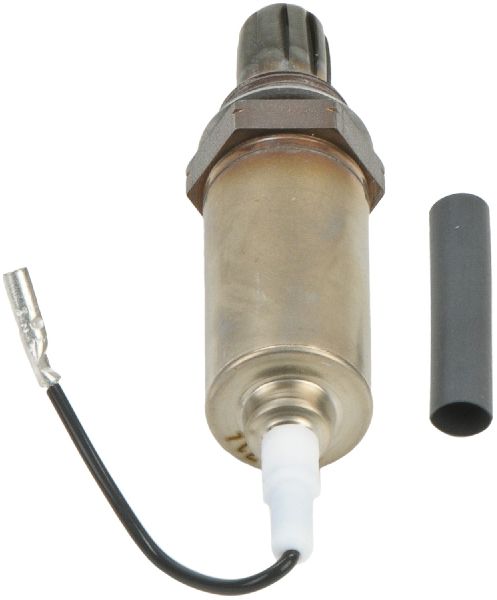
Your Regal may have come with a 1-wire (unheated) or 3-wire (heated) sensor. Unheated sensors rely on hot exhaust gas to reach operating temperature. Heated sensors have an internal element to warm up faster, providing more accurate readings sooner and improving cold-start performance. While you can replace an unheated sensor with a heated one (with some wiring), you should not replace a heated sensor with an unheated one. Always check your specific engine's requirements.
Choosing the Right Aftermarket Oxygen Sensor
For a vehicle of this age, aftermarket parts offer excellent value. OEM ACDelco sensors can be hard to find and expensive. Reputable aftermarket brands provide reliable performance, often exceeding the quality of the original 30-year-old part. Here’s how the available brands stack up:
- Premium Brands (Denso, NGK/NTK, Bosch): These companies are often the original equipment manufacturers for many car brands. Denso and NGK (NTK is their sensor division) are highly regarded in owner forums for their reliability and durability, especially for performance applications like the Grand National. Bosch invented the modern oxygen sensor and remains a top-tier choice. You can't go wrong with these brands for longevity and performance.
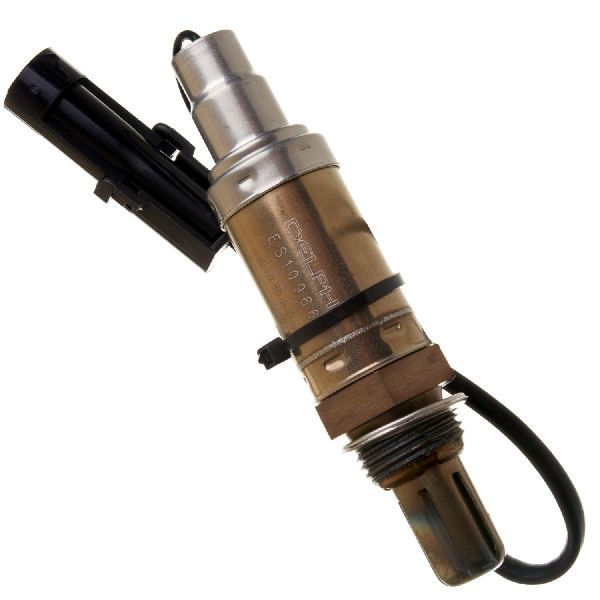
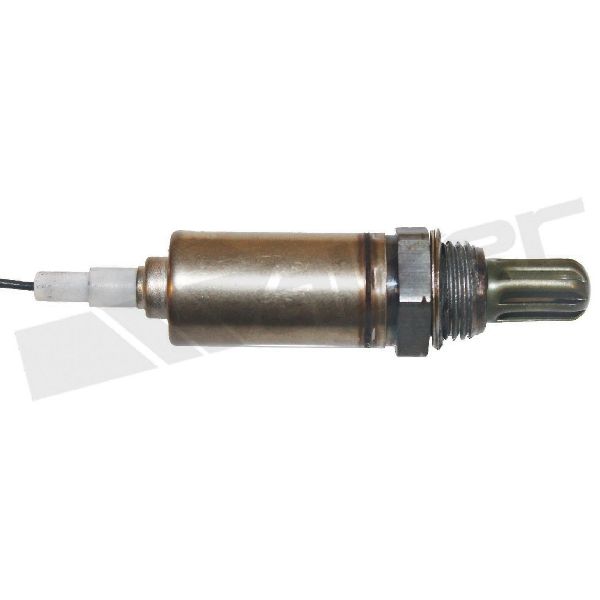
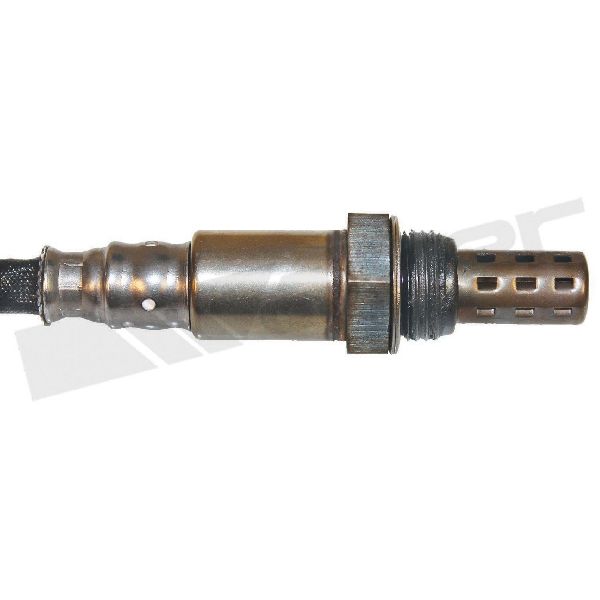
- OEM-Quality & Mid-Grade (Delphi, Walker Products, Spectra): Delphi was once part of GM, so their parts are designed to meet original specifications and are a solid choice. Walker Products is a well-known exhaust and emissions component manufacturer that offers quality replacements. Spectra also provides reliable, vehicle-specific fit parts. These brands offer a great balance of price and quality.
- Economy Brands (DriveWire): Brands like DriveWire are designed to be budget-friendly. They will get the job done and are a good option if cost is the primary concern. However, their lifespan and the precision of their readings may not match those of the premium or mid-grade tiers.
Pro Tip: For turbocharged models like the Grand National or T-Type, investing in a premium brand like Denso or NGK/NTK is highly recommended. These engines are more sensitive to air/fuel mixture accuracy, and these brands are known to hold up well under performance conditions.
Estimated Costs for Replacement
Replacing an oxygen sensor is one of the more affordable repairs you can make. The part itself is not expensive, and labor is minimal.
| Part/Service | Estimated Cost |
|---|---|
| New Aftermarket Oxygen Sensor | $21.55 - $60.38 |
| Shop Labor | $50 - $100 |
| Total Estimated Cost | $71.55 - $160.38 |
Frequently Asked Questions
How many oxygen sensors does my 1979-1992 Regal have?
Most Regals from this era have only one oxygen sensor. It is located "upstream" of the catalytic converter, usually screwed into the exhaust manifold or the exhaust pipe just after the manifold. V8 models may have two. Unlike modern cars, these vehicles do not have "downstream" sensors after the converter.
Is replacing the oxygen sensor a good DIY job?
Yes, for most home mechanics this is a very feasible job. The main difficulty is often the old sensor being rusted and seized in the exhaust pipe. Letting the engine run for a minute to slightly warm the exhaust can help, but be careful not to burn yourself. Using a generous amount of penetrating oil and having a special oxygen sensor socket (a deep socket with a slot for the wire) makes the job much easier.
What are the common trouble codes for a bad oxygen sensor?
On later models with OBD-I diagnostics, you might see codes like 13 (Oxygen sensor circuit open), 44 (Lean exhaust indicated), or 45 (Rich exhaust indicated). 🎬 Watch this guide on fixing lean codes and sensor issues. These codes point directly to a sensor or circuit problem.
Should I use anti-seize on the new sensor's threads?
Yes, but most new sensors come with anti-seize compound already applied to the threads. If yours doesn't, apply a small amount to the threads only, being very careful not to get any on the sensor tip itself. Contaminating the sensor tip can cause it to fail prematurely.
Helpful Videos

Technical Specifications
OEM Part Numbers: 25133791 19178937 AFS20 AFS21 AFS22
Location: Upstream (before catalytic converter). Wire Count: 1-wire (unheated) or 3-wire (heated). Thread Size: M18x1.5. Hex Size: 7/8" (22mm).
We Have This Part in Stock

The information in this article is provided for general reference and educational purposes only. Vehicle specifications, procedures, and part compatibility can vary by production date, trim level, and region. Always consult your vehicle's factory service manual and verify part numbers before purchasing or performing repairs. Safety-critical components such as airbags, seat belts, and braking systems should be installed by a qualified professional.