

Front Disc Brake Caliper Guide for the 1979-1995 GMC G2500 Van
Solve common brake problems like pulling, dragging, and a spongy pedal by choosing the right replacement calipers for your heavy-duty van.
- Seizing is the most common failure for G2500 calipers, leading to pulling, dragging, and overheating.
- Always replace front calipers in pairs to maintain balanced and safe braking.
- Strongly consider replacing the flexible rubber brake hoses at the same time to prevent issues with trapped fluid.
- Choosing a new, coated aftermarket caliper can offer better long-term protection against rust and seizing compared to uncoated or some remanufactured options.
Is Your G2500's Brake Caliper Failing?
Brake calipers are tough, but they don't last forever, especially on a hard-working van that's several decades old. The most common failure is the caliper piston seizing or the slide pins sticking due to rust and corrosion. This can cause the brakes to either not apply correctly or, more often, fail to release. A stuck caliper constantly forces the brake pad against the rotor, leading to serious problems.
Safety First: Do Not Drive With a Bad Caliper
A seized or leaking brake caliper can lead to a complete loss of braking ability on one or more wheels, or even a fire from extreme heat. This is a critical safety failure. If you suspect a caliper has failed, do not drive the vehicle. Have it towed for repair.
Common Failure Symptoms
- Vehicle Pulling to One Side: When you brake or even while driving, the van may pull to the left or right. This often means one caliper is stuck and not doing its job.
- Brake Dragging or Resistance: A caliper that doesn't release properly will cause the brake pad to constantly rub against the rotor. You might feel the van is sluggish or notice poor fuel economy.
- Burning Smell: Constant friction from a seized caliper generates extreme heat, which can cause a strong burning odor from the wheel area. In severe cases, you may see smoke.
- Visible Fluid Leaks: Brake fluid seen around the wheel or on the inside of the tire points to a failed seal in the caliper piston.
- Spongy or Soft Brake Pedal: While many things can cause this, a leaking caliper or air in the system is a common culprit.
- Uneven Brake Pad Wear: If the inner brake pad is much more worn than the outer pad, it's a classic sign of a sticking caliper piston or slides.
Choosing the Right Aftermarket Caliper
For a vehicle like the 1979-1995 G2500, aftermarket calipers are widely available and offer excellent value. You will primarily find new and remanufactured options.
- New Aftermarket Calipers: These are made from 100% new components with no core charge. Brands like Dynamic Friction and some lines from ACDelco offer new calipers. They often feature modern coatings to prevent rust, which is a major advantage over uncoated parts. For a heavy-duty application, a new caliper is often the most reliable long-term choice.
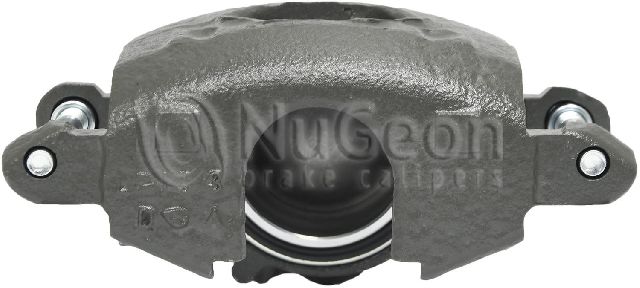
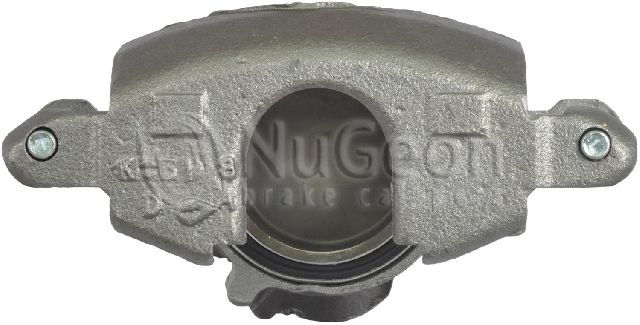
- Remanufactured Aftermarket Calipers: Brands like Cardone and BBB Industries are well-known for remanufactured calipers. These are original caliper castings that have been cleaned, inspected, and rebuilt with new seals, boots, and hardware. While generally reliable and cost-effective, the quality can sometimes be inconsistent. They also typically require a "core charge," which is a deposit you get back when you return your old caliper.
Pro Tip: Consider calipers that come with a protective coating (often zinc-plated). This coating helps resist corrosion, which is a primary cause of caliper seizure, especially in wet or snowy climates.
Brand Quality & Tiers
When shopping for your G2500, you'll encounter several brands. Here’s a general breakdown based on available information:
- Premium New: Brands like Dynamic Friction or ACDelco's higher-tier Gold/Professional lines often provide new, coated calipers that meet or exceed original specifications. These are excellent choices for reliability and longevity.
- Standard New/Reman: Cardone and BBB Industries are major players in the remanufactured market but also offer new lines. They are a solid, budget-friendly choice for daily driving. ACDelco's standard lines also fit here.
| Item | Estimated Cost |
|---|---|
| New Aftermarket Caliper (Single) | $35 - $108 |
| Shop Labor (Per Pair) | $150 - $300 |
| Brake Fluid & Bleeding | $50 - $100 |
Frequently Asked Questions (FAQ)
Should I replace my brake calipers in pairs?
Yes, absolutely. Always replace calipers in pairs (both front calipers at the same time). This ensures even braking force on both sides of the van, preventing dangerous pulling and ensuring predictable stopping.
Should I also replace the brake hoses?
It is highly recommended. On older vehicles like the G2500, the flexible rubber brake hoses can deteriorate internally and collapse. This can trap brake fluid, causing the exact same symptoms as a seized caliper, even if the caliper is brand new. Replacing them is a cheap and effective way to ensure your new calipers work correctly.
What is a "loaded" vs. "semi-loaded" caliper?
A "loaded" caliper comes complete with new brake pads and all necessary mounting hardware already installed. A "semi-loaded" or bare caliper includes the caliper and hardware but does not include brake pads, allowing you to choose your own.
Were there any recalls or common issues from GM for these calipers?
Searches for the 1979-1995 model years did not reveal any specific recalls or Technical Service Bulletins (TSBs) for disc brake calipers on the G2500. The most common issues are simply related to age and wear, such as seizing and leaks.
Technical Specifications
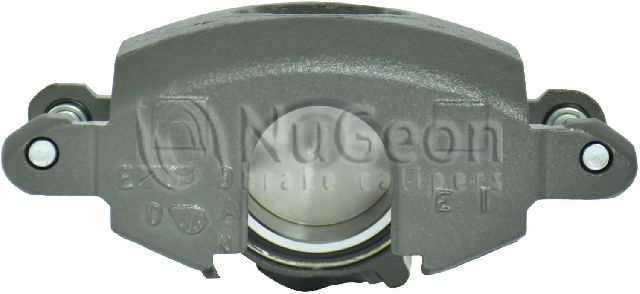
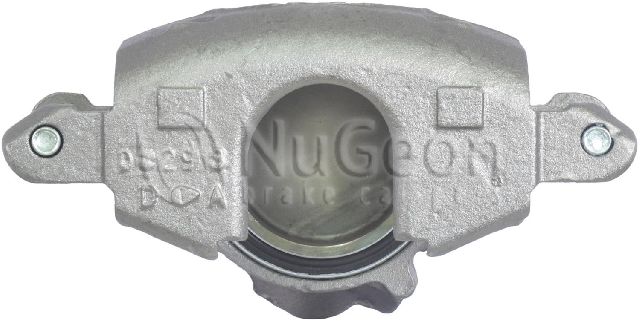
The GMC G2500 from this era uses a single-piston, floating front disc brake caliper. It is crucial to verify your vehicle's specific configuration, as some heavy-duty models may have different caliper or rotor sizes. Always check fitment notes when ordering.
We Have This Part in Stock

The information in this article is provided for general reference and educational purposes only. Vehicle specifications, procedures, and part compatibility can vary by production date, trim level, and region. Always consult your vehicle's factory service manual and verify part numbers before purchasing or performing repairs. Safety-critical components such as airbags, seat belts, and braking systems should be installed by a qualified professional.