

Chevrolet Caprice Automatic Transmission Mount Guide (1980-1986)
Stop the clunks and vibrations in your classic Caprice by choosing the right new transmission mount.
- A bad mount causes clunking noises and heavy vibration.
- For a smooth, factory-like ride, choose a standard rubber mount; for performance and durability, choose polyurethane but expect more vibration.
- This is a DIY-friendly repair that can be done in about an hour with basic tools.
- Always inspect your two engine mounts when replacing the transmission mount, as they wear out together.
Is Your Caprice Shaking or Making Clunking Noises?
After decades of service, the original rubber transmission mount on a 1980-1986 Caprice has likely seen better days. Heat, age, and leaking fluids cause the rubber to break down, crack, and collapse. When this happens, you'll notice clear signs that it's time for a replacement. Ignoring a failed mount can lead to more stress on your engine mounts and can even damage driveshaft components, exhaust pipes, or shifter linkage.
Symptoms of a Bad Transmission Mount
A failing transmission mount will make its presence known. Here are the most common symptoms for your Caprice:
- Clunking or Thumping Noises: A loud 'clunk' when you shift from Park to Drive or Reverse is a classic sign. You may also hear it when you accelerate or brake suddenly as the transmission shifts in the chassis.
- Excessive Vibration: If the rubber has collapsed, it can no longer absorb drivetrain vibrations. You'll feel a new, persistent vibration in the floor, seats, or steering wheel, especially when idling in gear.
- Visible Movement: A mechanic can often see the engine and transmission move excessively when shifting gears while holding the brakes. Visually inspecting the mount may reveal cracked, torn, or oil-soaked rubber.
Chain Reaction Failures
Your Caprice has two engine mounts and one transmission mount. They work together as a system. When the transmission mount fails, it puts extra stress on the engine mounts, causing them to fail sooner. It's always a good idea to inspect all three mounts at the same time.
Choosing the Right Aftermarket Mount
Since new OEM (Original Equipment Manufacturer) mounts from GM are no longer available for this vehicle, the aftermarket is your only option. Quality varies, so it's important to choose based on your needs and budget.
Brand Quality Tiers
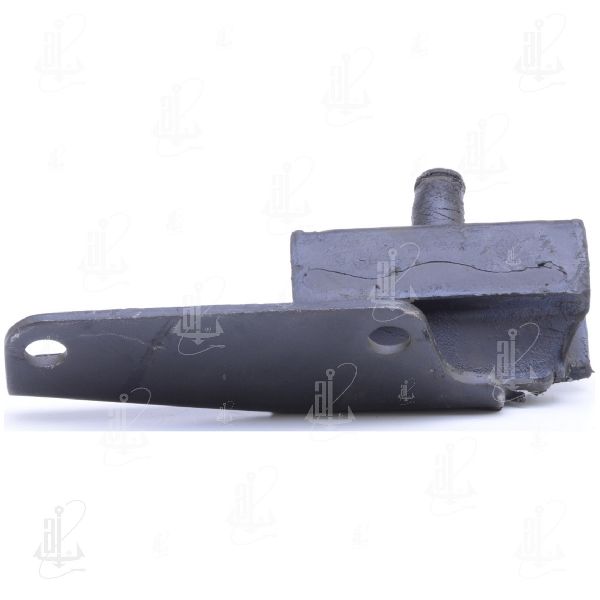
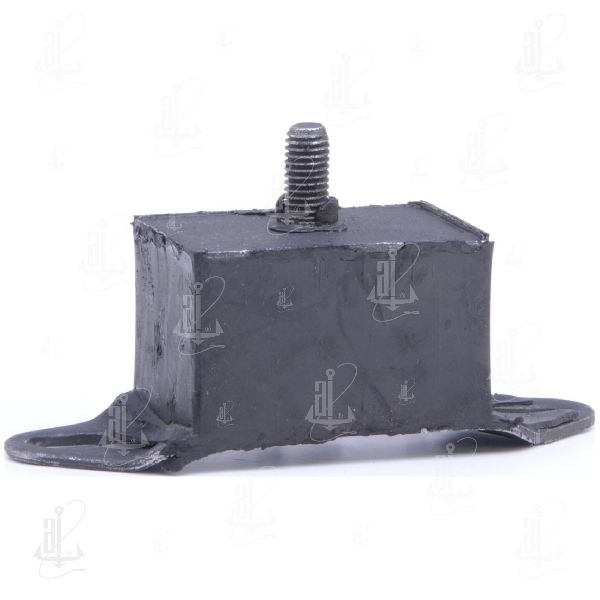
- Budget-Friendly Standard Replacement (Good): Brands like Anchor, DEA, and Westar are widely available and very affordable. They are designed to mimic the original rubber mount's feel. However, quality can be inconsistent, with some users in forums reporting fitment issues or shorter lifespans compared to original parts. For a daily driver on a budget, they get the job done.
- Enhanced Standard Replacement (Better): A brand like Pioneer often receives better reviews for quality and fit, with some noting they look very similar to the original factory mounts. They are still affordable rubber mounts but may offer more consistent quality control.
- Performance Polyurethane Upgrade (Best Durability): Brands like Prothane, Daystar, and Lakewood offer mounts made from polyurethane instead of rubber. Polyurethane is much more durable and resistant to oil and heat. It will hold the transmission much more securely, which is ideal for performance applications. The downside is a significant increase in Noise, Vibration, and Harshness (NVH) felt in the cabin, as polyurethane does not absorb vibrations as well as rubber.
Pro-Tip: Rubber or Polyurethane?
For a stock Caprice used for comfortable cruising, a quality standard rubber mount (like Pioneer) is the best choice to maintain a smooth ride. If your Caprice has a high-horsepower engine or is used for racing, a polyurethane mount from Prothane or Lakewood is a worthwhile upgrade for its durability and strength, but be prepared for more interior vibration.
Estimated Costs
| Part Type | Part Cost | Labor Cost | Total Cost |
|---|---|---|---|
| Aftermarket Rubber Mount | $10 - $20 | $75 - $150 | $85 - $170 |
| Aftermarket Polyurethane Mount | $25 - $35 | $75 - $150 | $100 - $185 |
Note: Costs are estimates and can vary based on your location and the specific repair shop. Labor is typically estimated at 1 hour.
Frequently Asked Questions (FAQ)
Is it hard to replace a Caprice transmission mount myself?
For a DIYer with some experience, this is a very manageable job. It involves supporting the transmission with a floor jack and a block of wood, removing a few bolts, and swapping the part. You will need a good set of sockets, a jack, and jack stands for safety. The entire process can usually be done in under an hour.
Are there any recalls for the 1980-1986 Caprice transmission mount?
No, there are no recalls or common Technical Service Bulletins (TSBs) from General Motors or the NHTSA for the transmission mount on this vehicle. Failure of this part is considered normal wear and tear due to the vehicle's age.
Should I replace my engine mounts at the same time?
It is highly recommended. The engine and transmission mounts work together to support the drivetrain. A failed transmission mount puts extra strain on the engine mounts, and vice-versa. If one has failed from age, the others are likely worn and will fail soon. Replacing all three at once is the best practice.
What is the difference between the single-stud and two-stud mounts?
Some GM vehicles of this era used slightly different mount designs. Some performance mounts, like those from Lakewood, are designed to be universal and can replace either a 1-bolt or 2-bolt style mount. Always verify the design on your specific car before ordering, but for most 1980-1986 Caprice models with automatic transmissions, a standard single-stud mount is correct.
Technical Specifications
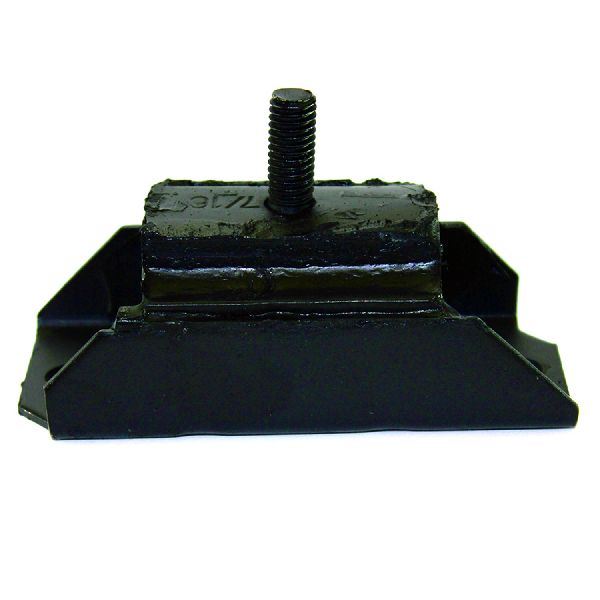
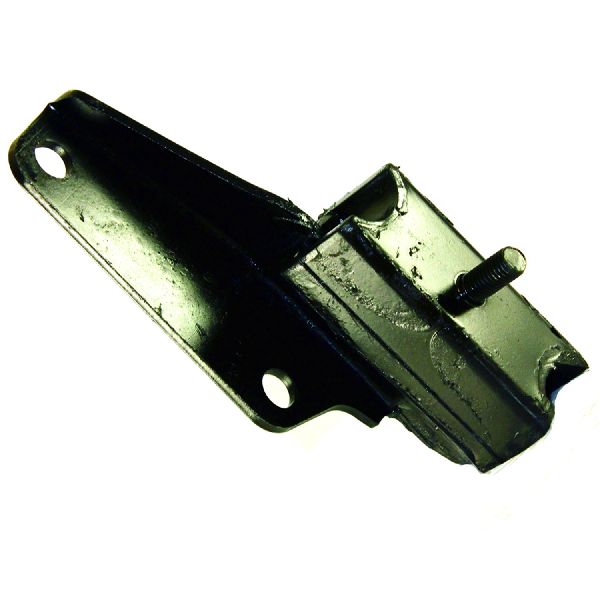
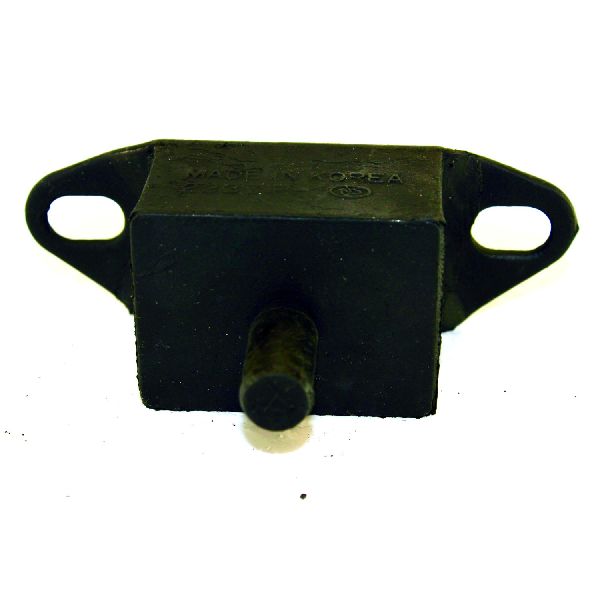
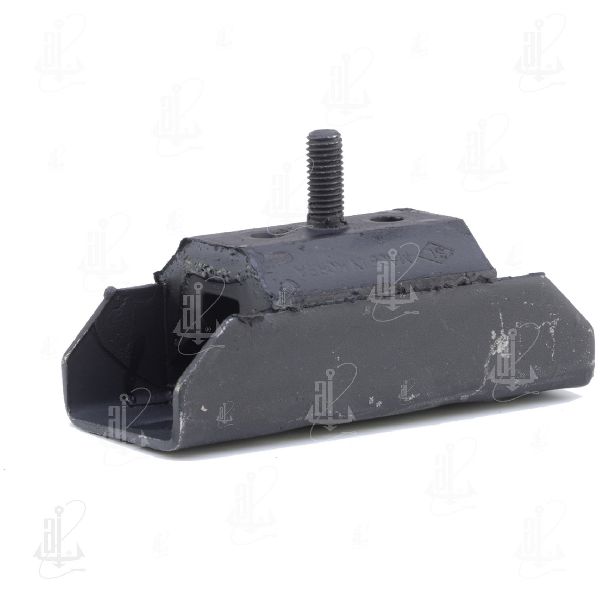
The mount for the 1980-1986 Chevrolet Caprice is typically a single-stud design, consisting of a rubber block vulcanized to a steel mounting plate. It is not fluid-filled. Polyurethane aftermarket versions are also available.
We Have This Part in Stock

The information in this article is provided for general reference and educational purposes only. Vehicle specifications, procedures, and part compatibility can vary by production date, trim level, and region. Always consult your vehicle's factory service manual and verify part numbers before purchasing or performing repairs. Safety-critical components such as airbags, seat belts, and braking systems should be installed by a qualified professional.
- Chevrolet Caprice: