

Choosing the Right Replacement Starter for Your 1980-1986 Chevrolet Impala
Don't get stranded; understand the signs of a failing starter and how to choose a reliable replacement for your classic Impala.
- A single, loud click when turning the key is a classic symptom of a failed starter motor or solenoid.
- Consider upgrading to a modern gear-reduction (mini) starter to combat the common 'heat soak' issue and get more cranking power.
- Always confirm your battery is healthy and connections are clean before condemning the starter, as symptoms can be similar.
- Replacing the starter is a feasible DIY job for most home mechanics, typically requiring one to two hours.
Is Your Impala's Starter Failing?
A starter motor on a classic car like the 1980-1986 Impala rarely fails without giving some warning signs. Recognizing these symptoms early can prevent you from being stranded. Pay close attention if you notice any of the following issues.
The Classic "Click"
One of the most common signs of a failing starter is a single, loud click when you turn the key, but the engine doesn't crank. This sound is often the starter's solenoid engaging, but the motor itself failing to turn due to internal wear or an electrical issue. Sometimes you may hear rapid clicking, which could also point to a weak battery.
Common Failure Symptoms
- Slow Engine Crank: When you turn the key, the engine turns over very sluggishly, as if the battery is weak. If the battery is known to be good, this can mean the starter's internal parts are worn out and creating too much resistance.
- Grinding or Whirring Noise: A harsh grinding sound during startup can mean the starter gear teeth are damaged or not meshing correctly with the flywheel. A whirring noise without the engine cranking means the starter motor is spinning but its gear is not engaging the flywheel at all.
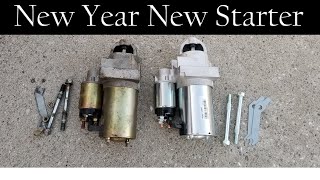
- No Crank, Lights On: You turn the key, the dashboard lights come on, but the engine does nothing. If you've already ruled out a dead battery, the starter is the next most likely culprit. 🎬 Watch: How to test your GM starter to confirm it's bad.
- Smoke or Burning Smell: Smoke coming from under the hood when you try to start the engine is a serious sign. It could mean the starter is overheating or causing an electrical short. Stop trying to start the car immediately.
Known Issue: Starter Heat Soak
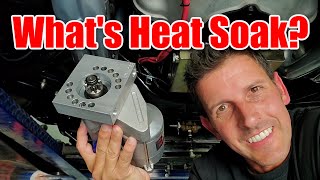
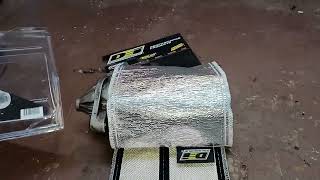
A very common problem on these classic V8-powered Chevrolets is "heat soak." This happens when the starter, located close to the hot exhaust manifold, gets so hot that its internal electrical resistance increases. The result is a starter that works perfectly when the engine is cold, but seems completely dead after a hot run. After letting the car sit and cool down for 15-30 minutes, it will often start right up again. 🎬 See a detailed explanation of starter heat soak and how to fix it. Installing a heat shield or upgrading to a modern gear-reduction starter can solve this problem.
Choosing the Right Aftermarket Starter
For a vehicle from this era, new OEM (Original Equipment Manufacturer) parts are generally unavailable. Your choice is between remanufactured units and new aftermarket starters. Modern aftermarket starters often provide significant advantages over the original design.
Aftermarket Brand Tiers
- Premium (Bosch): Bosch is a globally recognized leader in automotive components, known for high-quality engineering and reliability. A new Bosch starter is built to meet or exceed original specifications and often incorporates modern technology for better performance, even under extreme temperatures. This is a top-tier choice for owners who want the best durability and performance.
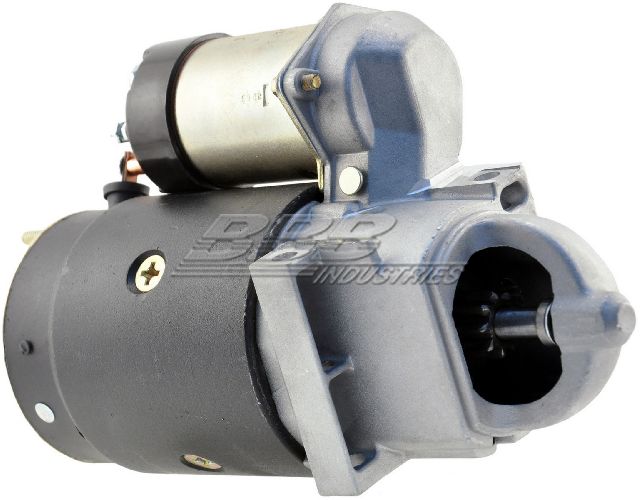
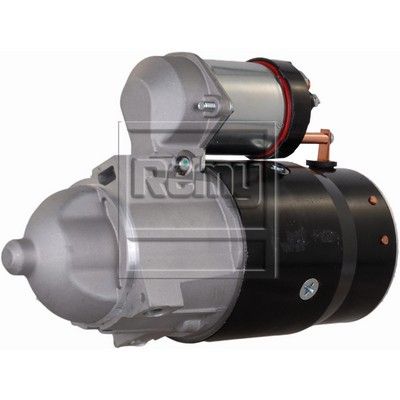
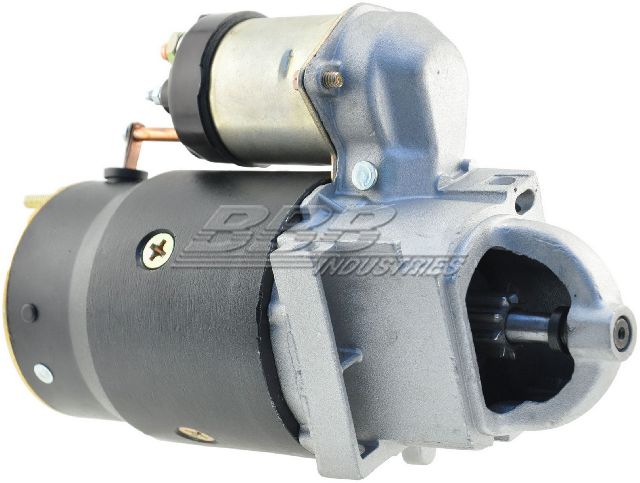
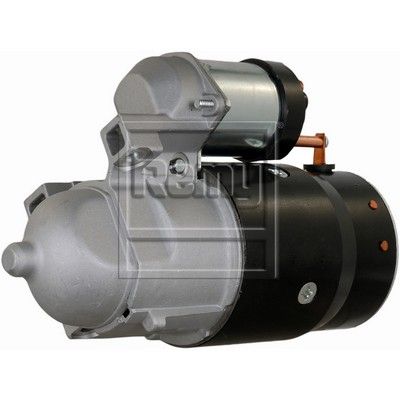
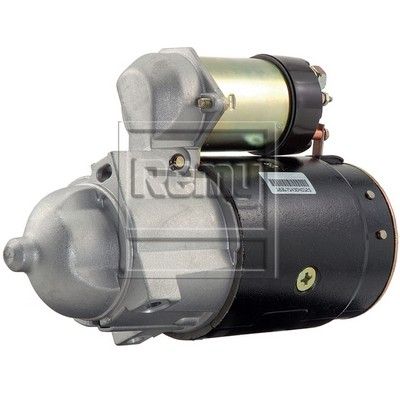
- Quality (Remy): Remy is a long-standing, reputable brand in the starter and alternator market. They offer both new and remanufactured starters that are a dependable, solid choice for daily drivers and restored vehicles. Many professional mechanics trust Remy for a balance of quality and value.
- Standard (BBB Industries): BBB Industries is a major supplier of aftermarket parts, including new and remanufactured starters. They provide a cost-effective solution that meets factory specifications and is a suitable replacement for a stock vehicle under normal use.
| Part Type | Estimated Cost |
|---|---|
| New Aftermarket | $106.24 - $429.29 |
| Remanufactured | $80 - $200 |
| Shop Labor | $120 - $250 |
| New OEM | Not Available |
| Used OEM | $40 - $80 |
Frequently Asked Questions (FAQ)
What is a "gear reduction" or "mini-starter" and should I get one?
A gear-reduction starter, often called a mini-starter, is a modern design that uses internal gears to multiply the motor's torque. They are smaller, lighter, and more powerful than the large, heavy original starters used on the 1980-1986 Impala. They are an excellent upgrade, especially for solving heat soak problems and providing better clearance for aftermarket exhaust headers.
🎬 Watch: How to install a high-torque mini starter on a Chevy V8.Is replacing the starter a DIY job?
Yes, for someone with basic mechanical skills and tools, this is a very manageable DIY project. The process involves safely raising the front of the vehicle, disconnecting the battery, and removing a few wires and two main mounting bolts. It typically takes one to two hours.
Do I need to check anything else before replacing the starter?
Absolutely. Always make sure your battery is fully charged and the battery terminals and cables are clean and tight. A weak battery or poor connection can mimic the symptoms of a bad starter. Many auto parts stores can test your battery, alternator, and starter for free.
Are there any recalls or TSBs for the starter on my Impala?
Searches of the National Highway Traffic Safety Administration (NHTSA) database show no specific safety recalls for the starter motor on the 1980-1986 Chevrolet Impala. Likewise, there are no prominent Technical Service Bulletins (TSBs) for this specific component and year range, which is common for vehicles of this age.
Helpful Videos
Technical Specifications
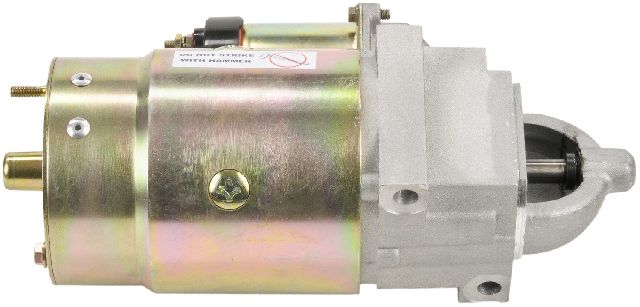
The most critical specification for this vehicle is the starter's mounting bolt pattern, which must match the engine's flywheel/flexplate. V8 engines in this era typically used either a 153-tooth flexplate (requiring a starter with a straight bolt pattern) or a 168-tooth flexplate (requiring a starter with a staggered/offset bolt pattern). Ordering the wrong configuration is a common mistake. Many aftermarket starters are designed with dual bolt patterns to fit both.
We Have This Part in Stock

The information in this article is provided for general reference and educational purposes only. Vehicle specifications, procedures, and part compatibility can vary by production date, trim level, and region. Always consult your vehicle's factory service manual and verify part numbers before purchasing or performing repairs. Safety-critical components such as airbags, seat belts, and braking systems should be installed by a qualified professional.
- Chevrolet Impala: