

1980-1994 Ford Mustang Engine Coolant Temperature Sensor Guide
Solve poor engine performance and inaccurate readings by choosing the right sensor for your Fox Body or SN95 Mustang.
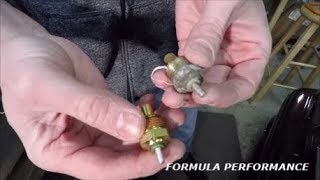
- Crucially, distinguish between the two-wire ECT *sensor* for the computer and the one-wire temperature *sender* for the dash gauge.
- Symptoms of a bad ECT sensor include poor MPG, black smoke, rough idle, and a Check Engine Light (Code 21 or 51).
- On 5.0L models, the ECT sensor is on the passenger side coolant tube; the gauge sender is on the driver's side intake manifold.
- Stick with reputable aftermarket brands like Motorcraft, Delphi, NGK, or Standard Ignition for this critical part.
Is Your Mustang Running Rough? It Could Be the Coolant Temp Sensor


If your 1980-1994 Mustang is suffering from poor fuel economy, black smoke from the exhaust, a rough idle, or difficulty starting, a faulty Engine Coolant Temperature (ECT) sensor could be the culprit. This small but crucial sensor provides the main computer with the data it needs to manage the engine effectively. When it fails, the computer receives incorrect information, leading to a host of performance problems.
Warning: Sensor vs. Sender - Don't Order the Wrong Part!
Your 1980-1994 Mustang has two separate parts for monitoring coolant temperature. It is the most common ordering mistake for this vehicle.
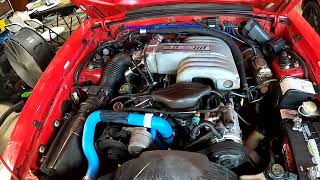
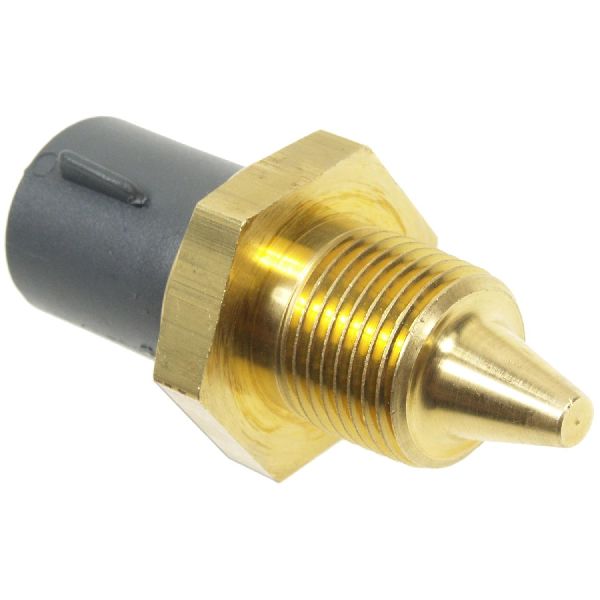
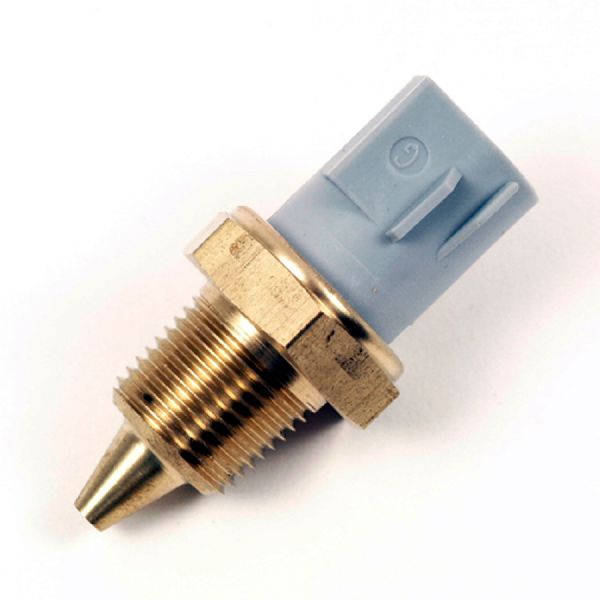
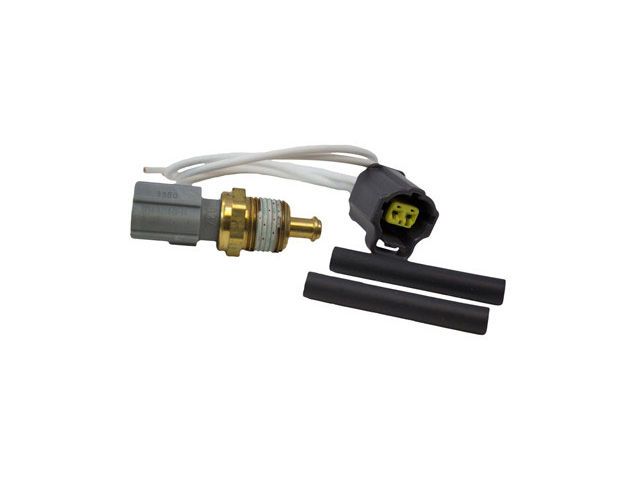
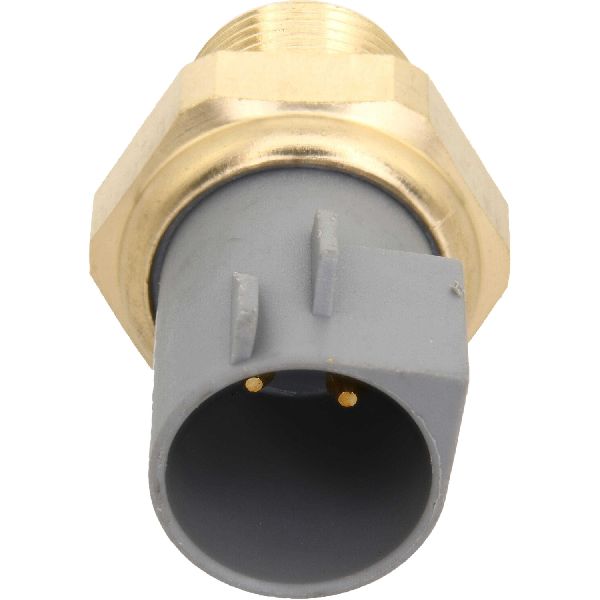
- Engine Coolant Temperature (ECT) Sensor: This has a two-wire electrical connector and sends information to the engine computer (ECU). This is the part covered in this guide. On 5.0L models, it is typically located on the metal coolant tube on the passenger side of the engine.
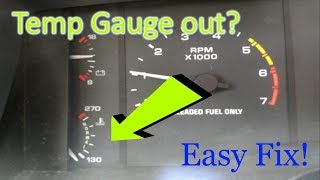
- Temperature Sender (or Sending Unit): This has a single-wire connector and controls the temperature gauge on your dashboard. On 5.0L models, it's usually located on the driver's side of the lower intake manifold, near the distributor.
Always confirm which part you need to replace before ordering. If your gauge is faulty but the car runs fine, you likely need the sender. If the car runs poorly but the gauge seems to work, you likely need the sensor.
Choosing the Right Aftermarket ECT Sensor

While a Motorcraft sensor is the original equipment benchmark, several aftermarket brands offer quality replacements. For a critical part like the ECT sensor, which directly affects engine performance, choosing a reputable brand is important to avoid ongoing issues.
- Premium Aftermarket (Recommended): Brands like Motorcraft, Delphi, NGK, and Standard Ignition (SMP) have a strong reputation for quality and reliability. They use materials and designs that meet or exceed original specifications, ensuring accurate readings and long life. The Standard Ignition TX3, for example, is a well-regarded replacement.
- Standard/Economy Aftermarket: Brands like Four Seasons, Global Parts, Holstein, and True Tech offer a more budget-friendly option. While functional, they may not have the same level of long-term durability or precise calibration as premium brands. For a sensor this critical and inexpensive, spending a few extra dollars on a premium brand is a wise investment in your Mustang's performance.
Aftermarket vs. OEM Quality
For the 1980-1994 Mustang, the original Motorcraft ECT sensor is the gold standard. However, top-tier aftermarket brands like Delphi and Standard Ignition are known to be reliable alternatives that often provide performance indistinguishable from the original part. The key is to avoid the cheapest, unbranded options, as their inconsistent quality can lead to frustrating diagnostic problems that cost more time and money in the long run.
| Brand Tier | Price Range (Part Only) |
|---|---|
| Premium (Motorcraft, Delphi, NGK, Standard) | $25 - $57 |
| Economy (Other Brands) | $12 - $24 |
Frequently Asked Questions

Where is the ECT sensor on a 5.0L Fox Body Mustang?
The ECT sensor (for the computer) is located on the passenger side, threaded into the heater hose coolant crossover tube near the front of the engine. Do not confuse it with the single-wire sender for the gauge, which is on the driver's side of the intake manifold.
Can I replace the ECT sensor myself?
Yes, this is a very DIY-friendly job. It typically requires only basic hand tools like a deep socket or wrench. The sensor simply unscrews from the coolant tube. It's best to replace it when the engine is cold to avoid burns and minimize coolant loss. The entire job can usually be done in under 30 minutes.
What are the OBD1 codes for a bad ECT sensor?
On EFI Mustangs, a faulty ECT sensor can trigger a Check Engine Light with codes like Code 21 (ECT sensor out of range) or Code 51.
Do I need to use thread sealant on the new sensor?
Most new sensors from quality brands like Motorcraft come with a thread sealant pre-applied. If your new sensor does not have sealant on the threads, it is a good idea to apply a small amount of automotive-grade thread sealant to prevent leaks.
Helpful Videos
Technical Specifications
OEM Part Numbers: DY681 F2AZ-12A648-A
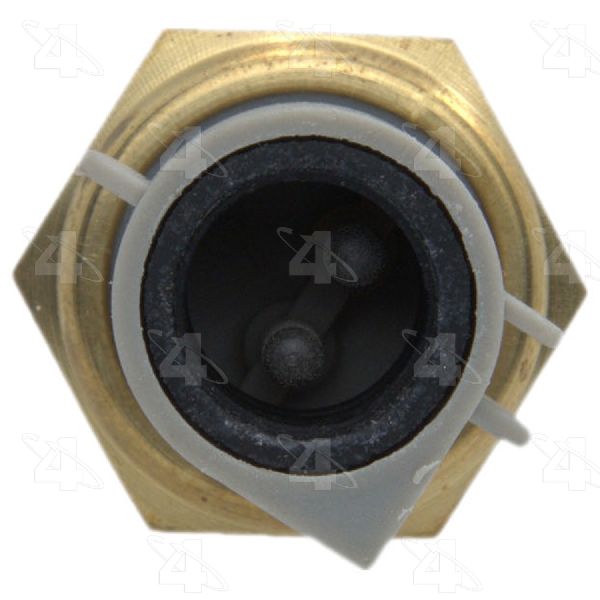
Connector: 2-wire female plug. Thread Size: Typically 3/8" - 18 NPTF.
We Have This Part in Stock


The information in this article is provided for general reference and educational purposes only. Vehicle specifications, procedures, and part compatibility can vary by production date, trim level, and region. Always consult your vehicle's factory service manual and verify part numbers before purchasing or performing repairs. Safety-critical components such as airbags, seat belts, and braking systems should be installed by a qualified professional.
- Ford Mustang: