

Engine Oil Pan Guide for the 1981-1985 Chevrolet P30
Keep your classic P30's engine protected and leak-free with the right replacement oil pan.
- The most common reasons for oil pan failure on a P30 are rust, impact damage, and stripped drain plugs.
- Confirm your engine (350, 454, etc.) and rear main seal style (1-piece vs. 2-piece) before ordering a new pan.
- Labor costs can vary dramatically depending on whether the engine needs to be lifted for access.
- Using a modern one-piece rubber gasket is highly recommended to prevent future leaks.
Is it Time for a New Oil Pan?
On a workhorse chassis like the 1981-1985 Chevrolet P30, the engine oil pan lives a tough life. These vehicles, often used as motorhomes or commercial vans, see a lot of miles and are exposed to the elements. The most common reasons for replacement are rust and corrosion that cause the pan to weaken and leak oil. Another frequent issue is damage from road debris or bottoming out. Lastly, the drain plug threads can become stripped or damaged from years of oil changes, making a proper seal impossible.
Symptoms of a Failing Oil Pan
The signs of a bad oil pan are usually straightforward. The most obvious is seeing puddles or drips of brown or black oil on the ground where you park. You might also notice your low oil level warning light comes on more frequently, forcing you to top off the oil between changes. In some cases, you can see physical damage like dents or heavy rust on the pan itself. It's important to distinguish an oil pan leak from other common leak sources on these engines, like valve cover gaskets or the rear main seal, so a thorough cleaning and inspection are recommended.
Don't Ignore an Oil Leak
Driving with a significant oil leak is risky. If the oil level drops too low, the engine can be starved of lubrication, leading to rapid and expensive engine damage. A small drip can quickly become a major leak, so it's best to address the problem as soon as you notice it.
Choosing the Right Aftermarket Oil Pan
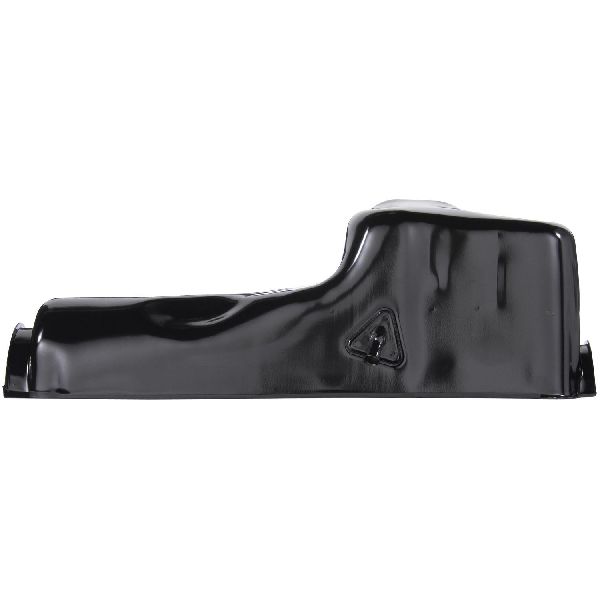
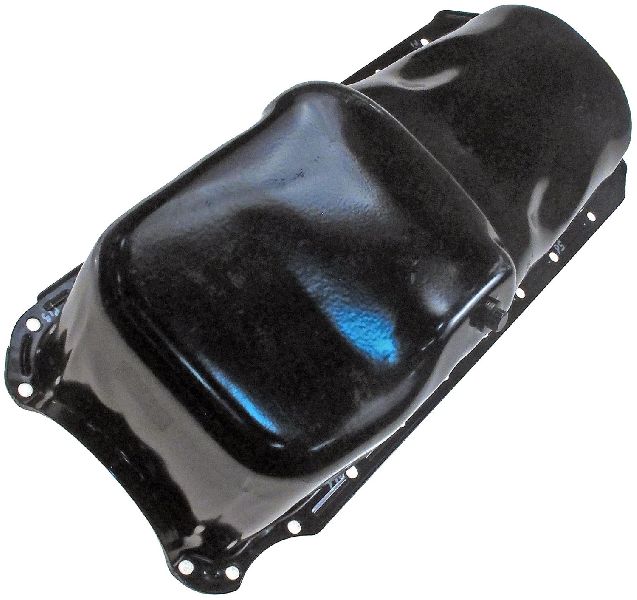
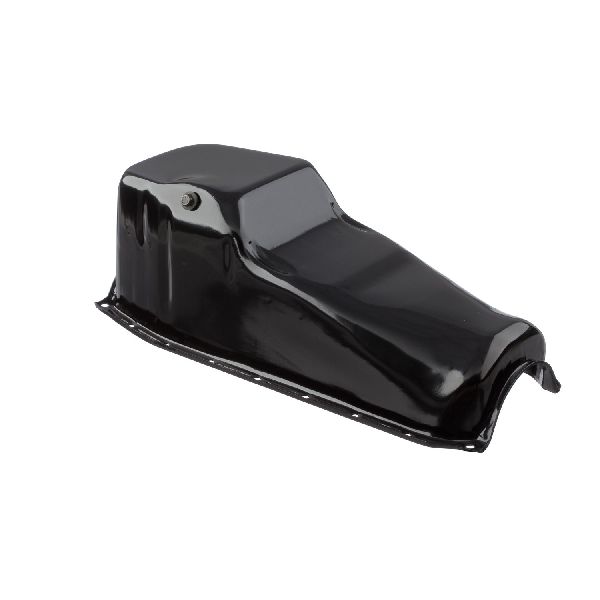
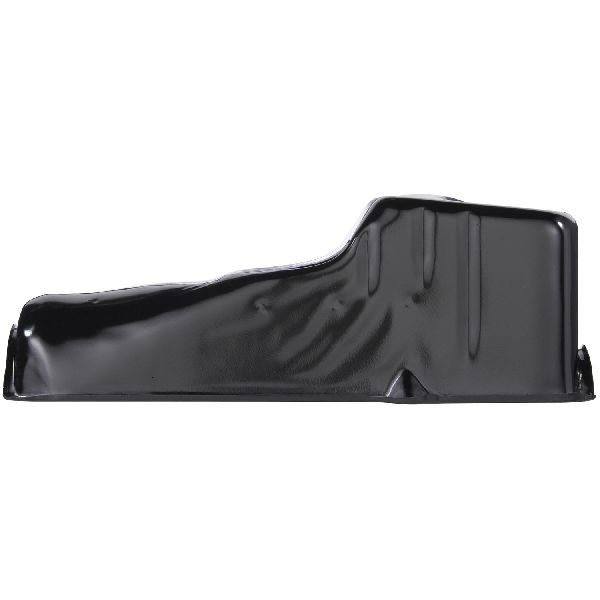
Since original GM parts for this era are likely discontinued, the aftermarket is your primary source for a new oil pan. The good news is that modern aftermarket pans are often made with better corrosion resistance than the originals. Here's a look at the available brands:
- Dorman: A widely available brand known for providing direct-fit replacements. Quality can sometimes be inconsistent, but they are a popular choice for many common repairs. Some users report good fitment, while others have had issues.
- Spectra: Often considered a reliable OE-style replacement brand. Some forum users have noted that Spectra and Dorman pans can sometimes appear identical, possibly coming from the same factory.
- ATP: This brand has a reputation for good quality, with some users reporting that their pans are made from thicker, more corrosion-resistant steel than the original parts.
- Pioneer Cable: This brand is another option in the aftermarket, typically offering standard, OE-style replacement parts.
Pro Tip: When replacing your oil pan, always use a new gasket. For the Small-Block and Big-Block Chevy engines in these P30s, one-piece rubber gaskets are a significant upgrade over the original multi-piece cork gaskets and are much less prone to leaking.
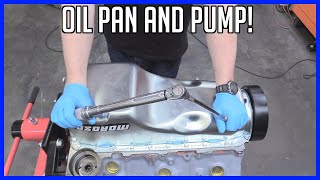
🎬 See how to properly install a Small Block Chevy oil panReplacement Cost for Your Chevrolet P30
The cost to replace the oil pan on a P30 can vary widely depending on the engine (Small-Block 350 vs. Big-Block 454) and chassis configuration (van vs. motorhome). On some models, there is enough clearance to drop the pan easily. On others, the engine may need to be lifted or front suspension components may need to be removed, significantly increasing labor time.
| Part/Service | Estimated Cost |
|---|---|
| New Aftermarket Oil Pan | $108 - $292 |
| Shop Labor | $300 - $1,200+ |
| Total Estimated Cost | $408 - $1,500+ |
Frequently Asked Questions (FAQ)
Do I need to get a specific oil pan for my engine?
Yes. The Chevrolet P30 was available with different engines, most commonly the 350 Small-Block and 454 Big-Block. These engines use different oil pans. Additionally, there were changes over the years, such as the move from a two-piece to a one-piece rear main seal in the mid-80s, which affects pan design. Always verify the pan is correct for your specific engine and year before purchasing.
🎬 Learn how to install the oil pan on a Big Block ChevyCan I reuse my old oil pan bolts?
It is generally acceptable to reuse the original bolts if they are in good condition. Clean the threads thoroughly before re-installation. However, some aftermarket pans may come with a new set of bolts.
Should I use RTV sealant with the gasket?
When using a modern one-piece rubber gasket, you typically only need a small dab of RTV sealant at the corners where the timing cover meets the block and where the rear main seal cap meets the block. Do not coat the entire gasket with sealant, as this can cause it to slip out of place and leak. The instructions with your new gasket should provide specific guidance.
Is replacing the oil pan a DIY job?
This depends on your vehicle's configuration and your mechanical skill. If there is clear access to all the pan bolts, it can be a straightforward, though messy, job. However, if the engine needs to be lifted or the crossmember or differential needs to be dropped, it becomes a much more difficult job that is best left to a professional shop.
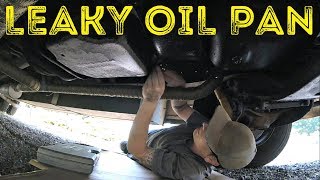
🎬 Watch a step-by-step oil pan gasket replacement on a P30 RVHelpful Videos
Technical Specifications
Material: Stamped Steel. Gasket Type: Varies by engine, typically 4-piece cork/rubber (original) or 1-piece rubber (recommended replacement). Capacity: Varies by engine (approx. 5-7 quarts). Drain Plug Location: Bottom of pan.
We Have This Part in Stock


The information in this article is provided for general reference and educational purposes only. Vehicle specifications, procedures, and part compatibility can vary by production date, trim level, and region. Always consult your vehicle's factory service manual and verify part numbers before purchasing or performing repairs. Safety-critical components such as airbags, seat belts, and braking systems should be installed by a qualified professional.
- Chevrolet P30: