

Ford F-150 Radius Arm Bushing Guide for 1981-1986 Models
Eliminate front-end clunks and wandering steering by choosing the right radius arm bushings for your Bullnose F-150.
- Bad radius arm bushings are a primary cause of front-end clunking and wandering steering on 1981-1986 F-150s.
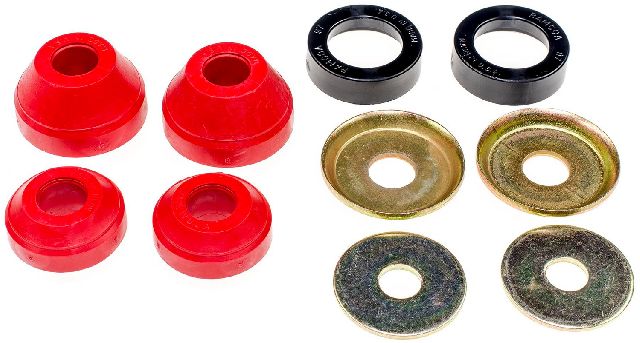
- You must choose between a softer, quieter rubber bushing (like OEM) and a firmer, more durable polyurethane bushing (an aftermarket upgrade).
- Replacement is a difficult job, often requiring grinding off factory rivets and replacing them with bolts.
- A wheel alignment is required after installation to prevent uneven tire wear and ensure safe handling.
Is Your F-150's Front End Making Noise?
If you're hearing a clunking sound from the front of your 1981-1986 F-150, there's a good chance the radius arm bushings are worn out. These parts take a lot of abuse over the decades. When they fail, the metal radius arm can move around in its bracket, causing noises and alignment problems. This is a common wear item on these classic Ford trucks.
🎬 Watch: A mechanic explains common causes for F-150 suspension noise.Symptoms of Bad Radius Arm Bushings
Worn bushings can cause several problems. You might notice one or more of these issues:
- Clunking or Popping Noises: The most common symptom is a distinct clunk or knock when going over bumps, braking, or even just shifting from drive to reverse.
- Wandering Steering: The truck may feel like it's drifting or wandering on the road, requiring constant steering corrections to drive straight.
- Poor Braking Feel: You might hear a thud when you apply the brakes or feel the front end dive excessively. This is a sign of too much forward-and-back movement in the axle.
- Uneven Tire Wear: When the bushings are bad, it can affect the truck's alignment, leading to tires wearing out unevenly, a condition known as 'cupping'.
A Note on Known Issues
No specific recalls or Technical Service Bulletins (TSBs) from Ford or the NHTSA are active for the radius arm bushings on the 1981-1986 F-150 models. The issues you experience are typically due to the age and wear of the original rubber components.
Choosing the Right Aftermarket Bushing: Rubber vs. Polyurethane
For a truck of this era, original Ford parts are often unavailable. The aftermarket offers two main types of materials for these bushings: traditional rubber and modern polyurethane. Your choice depends on your priorities for ride quality and durability.
Standard Replacement (Rubber)
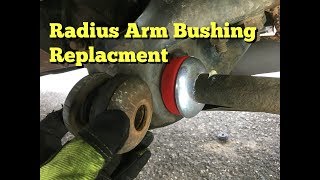
Brands like Dorman offer direct replacements that are similar to the original rubber bushings. Rubber is soft, which means it's excellent at absorbing vibrations and providing a comfortable, quiet ride, much like the truck had when it was new. However, rubber is prone to breaking down over time from exposure to heat, oil, and road salt.
- Pros: Quiet, comfortable ride.
- Cons: Less durable, will need replacement sooner than polyurethane.
Performance Upgrade (Polyurethane)
Brands like Energy Suspension and Skyjacker specialize in polyurethane (often called 'poly') bushings. Polyurethane is a much firmer and more durable material. It resists chemicals and wear far better than rubber, so it will likely last for the rest of the truck's life. This firmness improves steering response and provides a more connected feel to the road. The downside is that you will feel more road vibration, and if not installed with the proper grease, they can sometimes squeak. Skyjacker bushings are often included in their lift kits and are designed for the stresses of off-road use and larger tires.
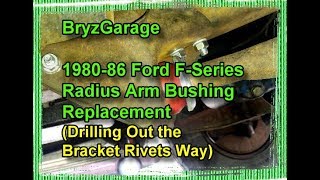
🎬 See this walkthrough for 1980-1986 F-Series radius arm bushing replacement.- Pros: Extremely durable, improved steering response, long life.
- Cons: Firmer ride, may increase noise and vibration.
| Part Type | Estimated Cost |
|---|---|
| New Aftermarket Bushing Kit (Rubber or Poly) | $31.34 - $40.08 |
| Shop Labor for Installation | $250 - $500 |
Installation Pro-Tip
The radius arm brackets on these trucks were riveted to the frame at the factory. To replace the bushings, these rivets often need to be ground off and punched out. Most mechanics and DIYers replace the rivets with high-strength Grade 8 bolts, which makes any future service much easier. 🎬 Watch: How to replace radius arm bushings on a 4x4 F-150. This job is considered difficult and can take several hours.
Frequently Asked Questions
Which is better, rubber or polyurethane bushings?
It's a trade-off. If you want the original smooth, quiet ride and don't mind that the part may wear out again in the future, choose rubber. If you want a durable, long-lasting part that improves steering response and you can tolerate a slightly firmer ride, choose polyurethane.
Do I need a wheel alignment after replacing the bushings?
Yes. The radius arm bushings are a key part of the front suspension geometry. Replacing them will almost certainly change your alignment. A professional alignment is highly recommended after the job is done to prevent tire wear and ensure the truck drives straight.
How difficult is it to replace these myself?
This is an advanced DIY job. It requires heavy-duty tools, including jack stands, pry bars, and potentially an angle grinder to remove factory rivets. Moving the heavy I-beam axle assembly can be difficult and dangerous if not done correctly. Many owners report the job taking 6-8 hours.
What are the torque specs for the radius arm nut?
Torque specifications are critical for suspension components. While specs can vary slightly, a common torque value for the large nut on the end of the radius arm is around 100 ft-lbs. However, you should always consult a factory service manual for your specific year and model to get the exact specifications before starting work.
Helpful Videos
Technical Specifications
The key specification is the material: either OEM-style rubber for a soft ride or performance polyurethane for durability and a firmer feel. Bushings are sold in kits that typically service both sides of the vehicle.
We Have This Part in Stock


The information in this article is provided for general reference and educational purposes only. Vehicle specifications, procedures, and part compatibility can vary by production date, trim level, and region. Always consult your vehicle's factory service manual and verify part numbers before purchasing or performing repairs. Safety-critical components such as airbags, seat belts, and braking systems should be installed by a qualified professional.
- Ford F-150:
- 🎬 Helpful Videos
- 🛍️ Shop This Part
- Is Your F-150's Front End Making Noise?
- Symptoms of Bad Radius Arm Bushings
- A Note on Known Issues
- Choosing the Right Aftermarket Bushing: Rubber vs. Polyurethane
- Standard Replacement (Rubber)
- Performance Upgrade (Polyurethane)
- Installation Pro-Tip
- Frequently Asked Questions
- 🎟️ Get 5% Off