

Chevrolet C20 Distributor Replacement Guide for 1981-1987 Models
Keep your classic C20 running strong by understanding its ignition system and choosing the right new distributor.
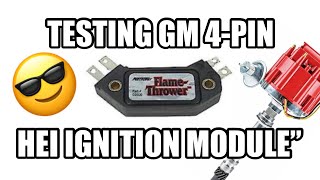
- Stalling when the engine is hot is a classic symptom of a failing ignition module inside the HEI distributor.
- For most owners, a new OEM-style replacement from a brand like WAI Global offers a good balance of quality and cost.
- Replacing the entire distributor is often a better long-term repair than replacing just one failed internal component like the module or coil.
- Properly setting the ignition timing with a timing light after installation is a critical final step that should not be skipped.
Is Your C20 Distributor Failing?
The GM High Energy Ignition (HEI) distributor used in this era of C20 is a common and generally reliable design, but its internal parts can wear out. Engine heat is the biggest enemy of the ignition module and coil located inside the distributor. When you have ignition problems, the symptoms often point directly to a failing distributor.
Symptoms of a Bad Distributor
- No-Start or Hard Starting: The engine cranks over but won't fire up. This can be caused by a failed ignition module, pickup coil, or the main coil inside the cap. 🎬 Watch: How to diagnose an HEI distributor with no spark.
- Engine Stalls When Hot: This is a classic symptom of a failing ignition module. The truck runs fine when it's cold but suddenly dies after it warms up. It might restart after cooling down for a few minutes.
- Misfiring and Sputtering: The engine may run rough, hesitate, or backfire, especially when you accelerate. This can be due to a worn cap and rotor, a weak coil, or problems with the internal advance mechanisms.
- Shaking or Engine Vibration: A rough, unsteady idle or engine vibration can be caused by inconsistent spark timing from a worn distributor shaft or failing internal parts.
- Visible Internal Damage: If you remove the distributor cap and see a lot of rust, white or green corrosion, or black carbon tracks, the internal parts are failing.
Known Issues, Recalls, and Service Bulletins
Searches of the National Highway Traffic Safety Administration (NHTSA) database show no open recalls or specific Technical Service Bulletins (TSBs) for the distributor on the 1981-1987 Chevrolet C20. Ignition system parts are generally considered normal wear-and-tear maintenance items on a vehicle of this age.
Choosing the Right Aftermarket Distributor
Since new original GM parts are no longer made for a truck of this age, you will be choosing from new aftermarket or remanufactured parts. Your choice depends on your budget and how you use your truck.
Tier 1: Performance & Heavy-Duty Upgrade
Brands: MSD, FAST, Accel, Edelbrock
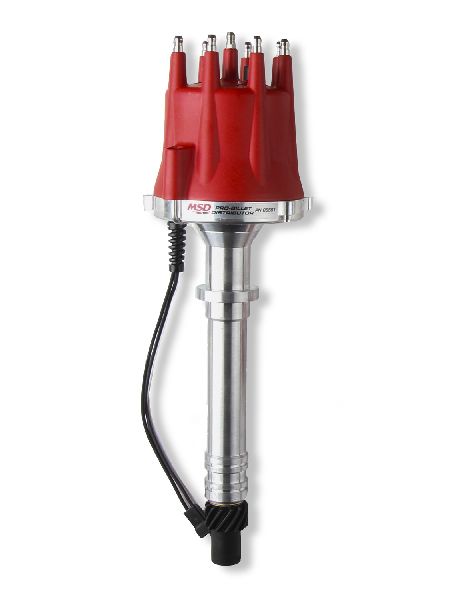
These brands are for the C20 owner looking for more than just a stock replacement. They are built with high-quality components designed to provide a stronger, more stable spark at higher engine speeds (RPMs). This can improve throttle response and power. MSD is a top name in performance ignition but comes at a higher price. Accel and Edelbrock are also popular choices for performance builds. Choose this tier if you have a modified engine or use your truck for heavy towing or performance driving.
Tier 2: Quality Stock Replacement
Brands: Pertronix, WAI Global
These brands offer brand-new distributors that are designed to meet or exceed the original factory specifications. WAI Global distributors are 100% new, not remanufactured, and are made with OE-grade materials. Pertronix is well-known in the classic car world, but online reviews from users are often mixed, with some reporting great success and others experiencing early failures. This tier is a good middle-ground for a daily driven or work truck that needs a reliable, long-lasting part without the high cost of a performance brand.
Tier 3: Budget & Remanufactured Options
Brands: Cardone, Replacement
This tier includes the most affordable options. "Replacement" branded parts are typically new, globally sourced units that offer a low-cost solution to get your truck running again. Cardone offers both new and remanufactured distributors. Remanufactured parts can be a gamble; some forum users report that quality can be inconsistent, with some units being little more than cleaned-up used parts with only the broken components replaced. This tier is best if budget is your primary concern, but be aware that quality and longevity may not match the higher-priced options.
Pro Tip: Don't Forget the Gear!
The gear at the bottom of the distributor is driven by the camshaft. Make sure your new distributor has a gear made of the correct material for your camshaft (most stock Small Block Chevy cams use a melonized steel gear). Using the wrong gear can cause it to wear out quickly, sending metal shavings into your engine.
Frequently Asked Questions (FAQ)
Can I just replace the bad part inside my distributor?
Yes, parts like the ignition module, coil, cap, and rotor are sold separately. Replacing a bad module can fix a stalling issue. However, if your distributor has high mileage, the main shaft bushings can also be worn, which causes timing to be unsteady. Replacing the entire unit is often a better long-term repair.
Is it hard to replace the distributor myself?
For a DIY mechanic, this job is moderately difficult. While it doesn't require many special tools, the process must be done carefully. You must set the engine to Top Dead Center (TDC) and mark the position of the old distributor before removing it. 🎬 See this walkthrough for installing a new distributor. If you install the new one incorrectly, the engine's timing will be off, and it will not start or will run very poorly.
Do I really need a timing light?
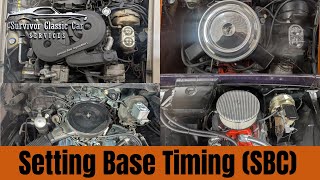
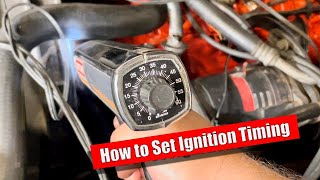
Yes. After installing the new distributor, setting the ignition timing with a timing light is a critical final step. You can get the engine to start by setting it by eye, but for it to run efficiently and make proper power, the timing must be set precisely to factory specifications. 🎬 Watch: How to set base ignition timing on your Chevy. Skipping this step can lead to poor performance, bad fuel economy, and potential engine damage.
What's the difference between vacuum and mechanical advance?
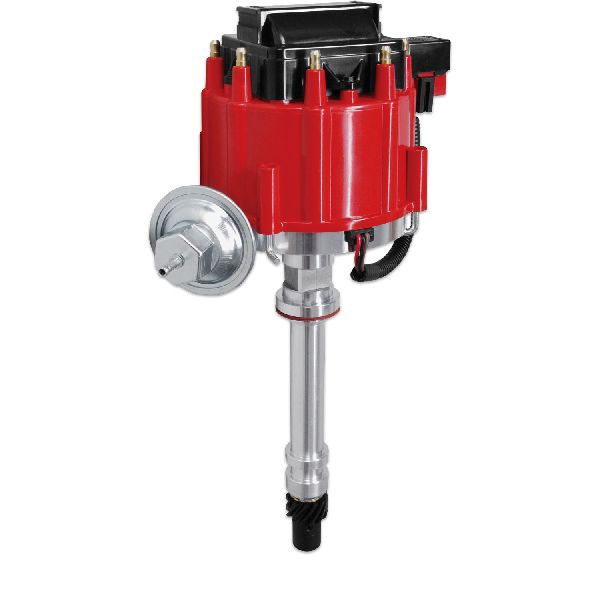
Both are found inside the distributor and help the engine run better. The mechanical advance (weights and springs) advances the timing as engine RPMs increase. The vacuum advance (a canister on the side) advances the timing based on engine load, which helps with fuel economy during cruising. Both are important for all-around performance.
Helpful Videos

Technical Specifications
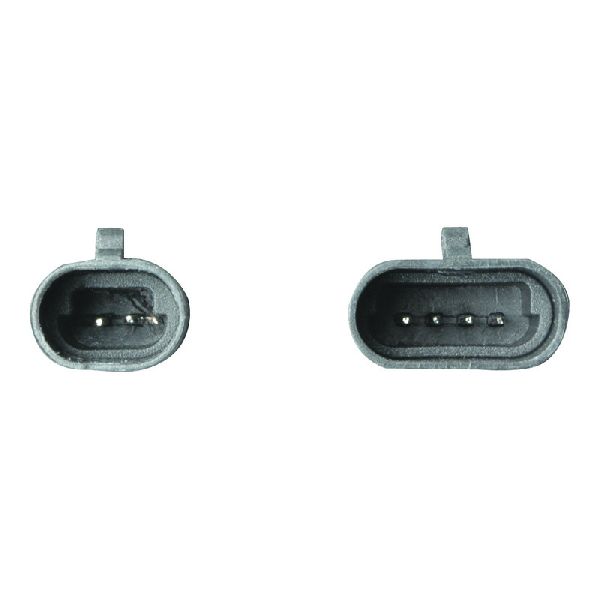
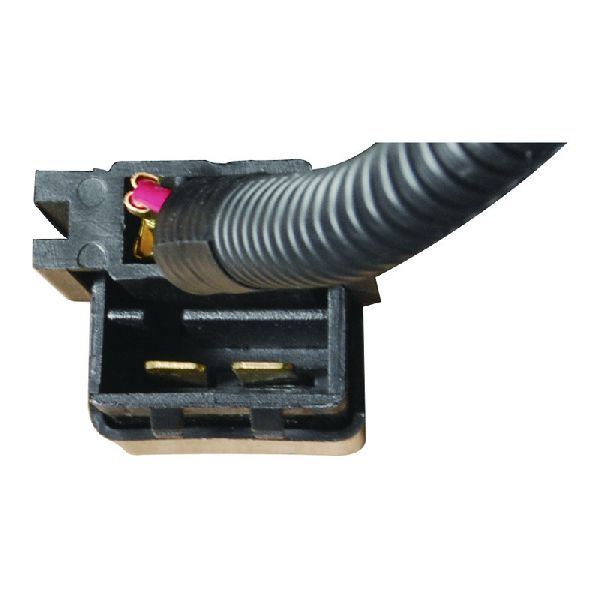
All 1981-1987 Chevrolet C20 models with V8 gasoline engines use a High Energy Ignition (HEI) style distributor. These distributors feature a built-in ignition coil-in-cap design and operate with a 12-volt power source.
We Have This Part in Stock

The information in this article is provided for general reference and educational purposes only. Vehicle specifications, procedures, and part compatibility can vary by production date, trim level, and region. Always consult your vehicle's factory service manual and verify part numbers before purchasing or performing repairs. Safety-critical components such as airbags, seat belts, and braking systems should be installed by a qualified professional.
- Chevrolet C20:
- 🎬 Helpful Videos
- 🛍️ Shop This Part
- Is Your C20 Distributor Failing?
- Symptoms of a Bad Distributor
- Known Issues, Recalls, and Service Bulletins
- Choosing the Right Aftermarket Distributor
- Tier 1: Performance & Heavy-Duty Upgrade
- Tier 2: Quality Stock Replacement
- Tier 3: Budget & Remanufactured Options
- Pro Tip: Don't Forget the Gear!
- Frequently Asked Questions (FAQ)
- 🎟️ Get 5% Off