

Choosing the Right Distributor for Your 1981-1987 Chevrolet G20
Keep your classic G20 van running strong by understanding its unique ignition system and choosing the best new distributor.
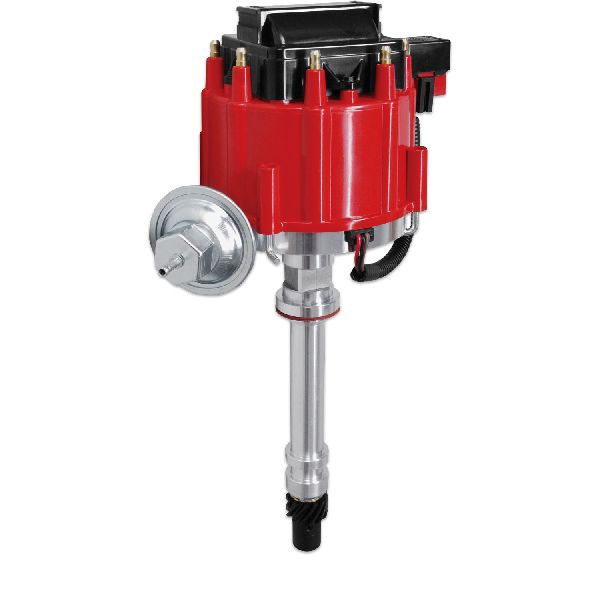
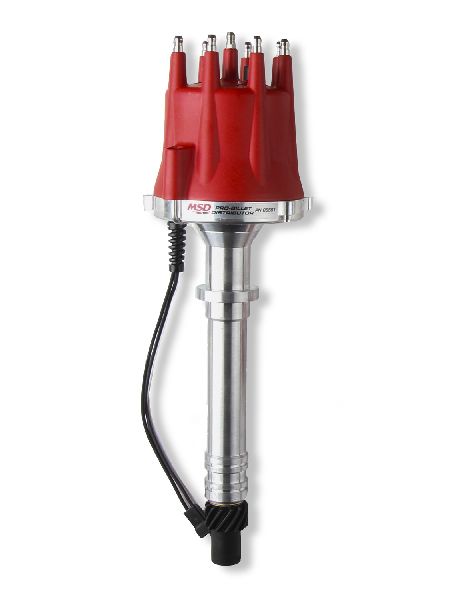
- Your G20 uses a GM HEI distributor, which is a self-contained unit with an internal coil.
- Sudden no-start conditions are often caused by a failed ignition module inside the distributor.
- When replacing, carefully mark the position of the old distributor and rotor to maintain correct ignition timing.
- For a stock engine, a quality standard replacement from a brand like Accel or Cardone is sufficient; high-end brands like MSD are for performance applications.
Understanding Your G20's HEI Distributor
The GM HEI distributor found in your 1981-1987 G20 was a reliable and revolutionary design for its time, combining the coil, cap, and rotor into one unit. This makes replacement straightforward. However, they are not without their common failure points. The ignition module inside the distributor is a frequent culprit for failure, especially in modern replacement parts. Other common issues include a worn-out gear at the base of the distributor shaft, a cracked cap, or a worn rotor. A poor ground connection can also cause the module to fail.
Symptoms of a Failing Distributor
A bad distributor can cause a wide range of problems. If your G20 is experiencing any of these issues, your distributor could be the cause:
- Engine Misfires: The engine may stutter or hesitate, especially under acceleration.
- Rough Idle: The van may shake or run unevenly when stopped.
- Hard Starting or No Start: A very common symptom is the engine cranking but failing to start, often due to a lack of spark.
- Stalling: The engine may stall unexpectedly, sometimes after it has warmed up.
- Loss of Power: The van may feel sluggish and lack acceleration.
- Backfiring: Incorrect spark timing can cause the engine to backfire.
Ignition Module Failures
A very common failure point on HEI distributors is the ignition module. Aftermarket modules, particularly budget-friendly ones, have a reputation for failing prematurely. When replacing your distributor, be aware that a no-spark condition that develops after a short time is often due to a bad module. Some owners choose to carry a spare known-good module for this reason.
Choosing the Right Aftermarket Distributor
When shopping for a new distributor for your G20, you'll find a wide range of options. For a stock or lightly modified engine, you don't necessarily need a high-priced performance model. However, quality varies, so it's important to choose a reputable brand.
Aftermarket Brand Tiers
| Tier | Brands | Best For |
|---|---|---|
| Performance Tier | MSD, Edelbrock, FAST, Pertronix | Owners seeking maximum reliability, performance for modified engines, or those who prefer to invest in top-tier components. MSD is often considered a top choice for performance and reliability. |
| Quality Replacement Tier | Accel, Cardone (New), WAI Global | Daily drivers and stock restorations. These brands offer a good balance of quality and price. Accel is a well-known aftermarket brand, while Cardone and WAI Global are major suppliers of new and remanufactured parts. |
| Economy Tier | Replacement (and other unbranded parts) | Budget-conscious repairs. While functional, these parts may have a shorter lifespan, particularly the internal components like the ignition module. Quality can be inconsistent. |
A Note on "Performance" Curves
Some performance distributors come with a pre-set "performance curve." This refers to how the ignition timing advances with engine RPM. However, a generic performance curve may not be ideal for your specific engine setup. For a stock G20 van, a distributor with a stock-style advance curve is often the most reliable and effective choice.
Frequently Asked Questions (FAQ)
Do I need to replace the whole distributor or just the cap and rotor?
If your cap is cracked or the contacts are heavily corroded, a new cap and rotor might solve your problem. However, if you suspect a failing ignition module, pickup coil, or have high mileage with a worn shaft gear, replacing the entire unit is often a more reliable and time-saving repair.
What is the difference between vacuum advance and mechanical advance?
Both systems advance the ignition timing for better performance and efficiency. The mechanical advance (weights and springs inside the distributor) advances timing based on engine RPM. The vacuum advance (a canister on the side) advances timing based on engine load and vacuum. Both are important for the proper operation of your G20's engine.
Is installing a new distributor a DIY job?
Yes, for someone with basic mechanical skills, this is a very feasible DIY job. The most critical steps are marking the original distributor's position and rotor orientation before removal to ensure the new one goes in with the correct timing. Failure to do so will result in the engine not starting or running very poorly.
Are there any recalls or TSBs for my G20's distributor?
Searches of the National Highway Traffic Safety Administration (NHTSA) database and common Technical Service Bulletin (TSB) repositories did not show any specific recalls or bulletins for the distributor on the 1981-1987 Chevrolet G20. Recalls for this vehicle were related to other issues like sliding doors and seat backs.
Technical Specifications
GM HEI (High Energy Ignition) Style, Internal Coil, Vacuum and Mechanical Advance
We Have This Part in Stock

The information in this article is provided for general reference and educational purposes only. Vehicle specifications, procedures, and part compatibility can vary by production date, trim level, and region. Always consult your vehicle's factory service manual and verify part numbers before purchasing or performing repairs. Safety-critical components such as airbags, seat belts, and braking systems should be installed by a qualified professional.
- Chevrolet G20: