

A Ford F-150 Owner's Guide to Carburetor Replacement (1981-1987)
If your classic F-150 is running rough, stalling, or guzzling gas, a failing carburetor could be the culprit.
- Common failure symptoms include rough idle, stalling, black smoke, and fuel leaks.
- The stock Carter 1-barrel carburetor is known for its base coming loose, causing a major vacuum leak.
- Edelbrock is a popular choice for a reliable, easy-to-tune performance upgrade, but may require a new intake manifold.
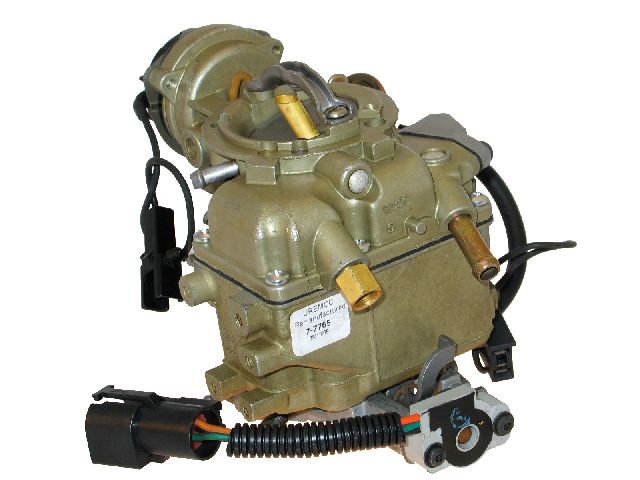
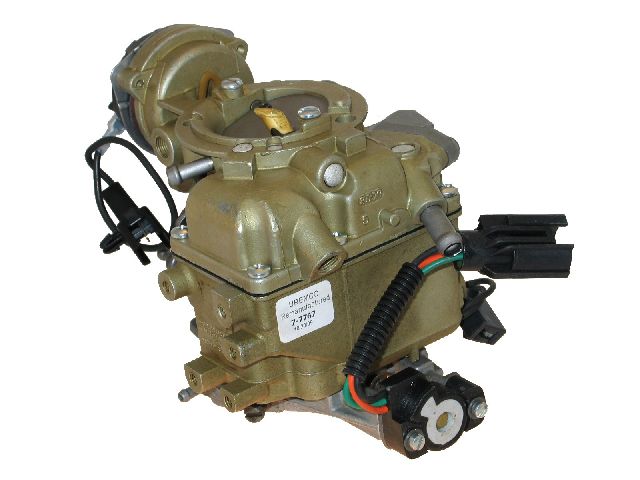
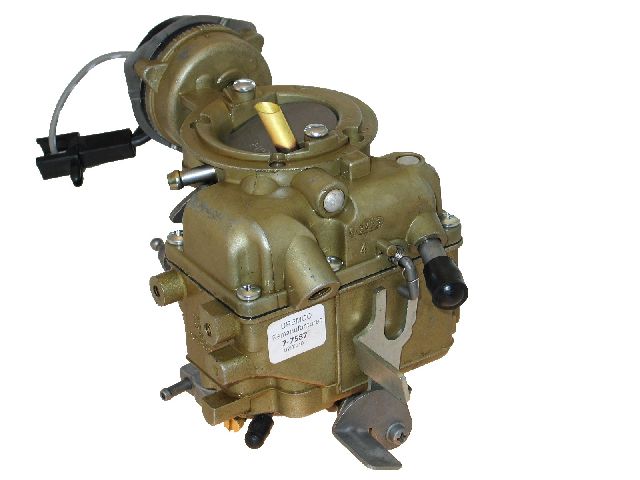
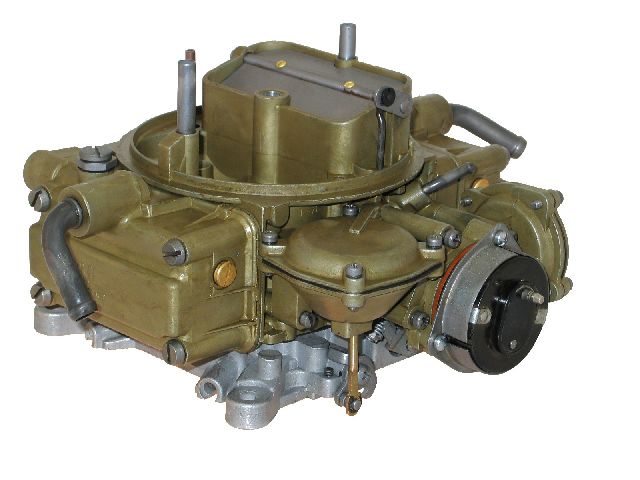
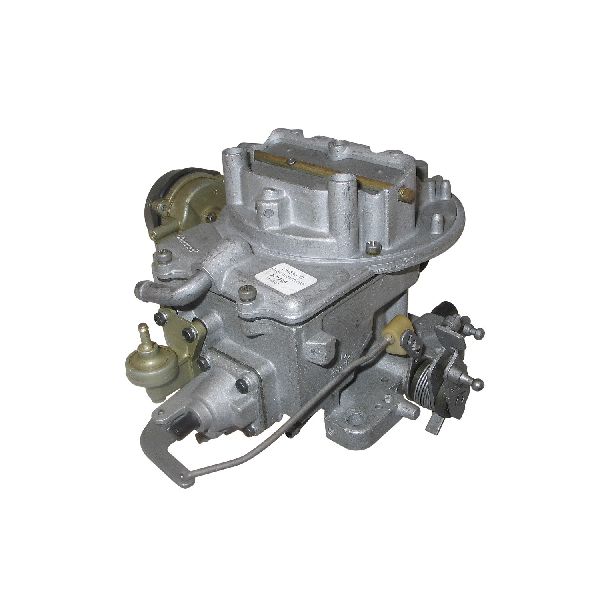
- Uremco offers remanufactured, stock-style carburetors that are a direct-fit replacement built to OEM standards.
Is Your F-150's Carburetor Failing?


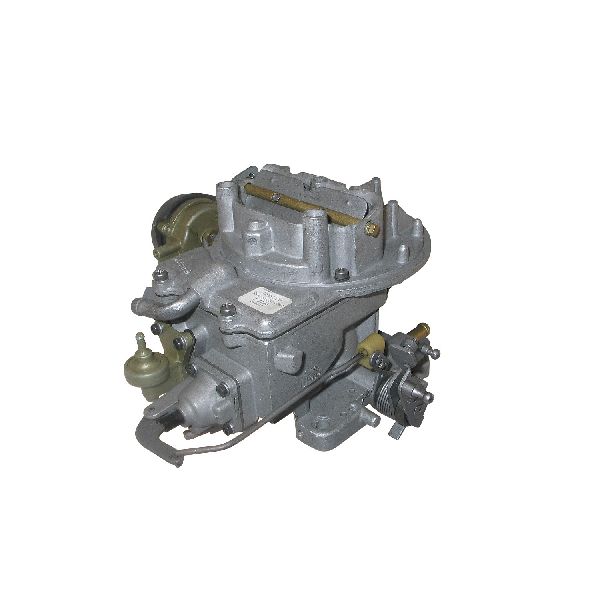
The carburetors used in this generation of F-150s, like the Carter YFA 1-barrel and Motorcraft 2150 2-barrel, are known for developing problems after decades of service. Symptoms often start small but can lead to serious drivability issues. Being able to spot the warning signs can save you from a breakdown.
Common Symptoms of Carburetor Failure:
- Rough Idle and Stalling: The engine may run unevenly at a stop or stall completely, especially when it's warmed up. This can be caused by internal blockages or vacuum leaks.
- Black Exhaust Smoke: Sooty smoke from the tailpipe indicates the engine is running rich, meaning it's getting too much fuel and not enough air. This wastes gas and can foul your spark plugs.
- Hesitation or Stumbling: When you press the gas pedal, the truck might hesitate or stumble before accelerating. This often points to a problem with the accelerator pump inside the carburetor.
- Fuel Leaks and Gas Smell: You should never smell raw gasoline around your engine. Leaks from old gaskets or cracked housings are a common and serious fire hazard.
Known Issue: Carter 1-Barrel Carburetor Looseness
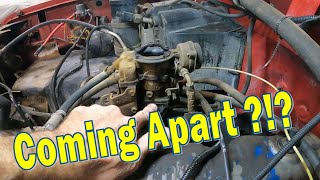
A very common problem on the 4.9L (300 c.i.) inline-6 engine is for the screws holding the base of the Carter YFA carburetor to the main body to come loose. This creates a large vacuum leak, leading to a rough idle and poor performance. Before replacing the whole unit, check if your carburetor is loose on its base.
Choosing the Right Aftermarket Carburetor

Rebuilding an original carburetor is possible but can be complex due to the many small parts and adjustments required. For many owners, replacing the entire unit with a new or remanufactured part is a faster and more reliable solution.
Option 1: Performance and Reliability Upgrade (Edelbrock)
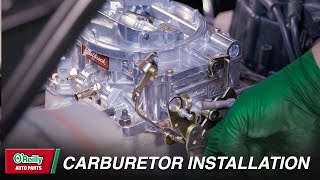
Edelbrock carburetors are a popular upgrade for 1980s Ford trucks. They are known for being reliable and easy to tune, with many models running well right out of the box. Their two-piece design eliminates gaskets below the fuel level, which significantly reduces the chance of fuel leaks compared to some other designs. If you are looking for improved street performance and simplified tuning, Edelbrock is a top choice.
Pro Tip: Upgrading from a stock 1-barrel or 2-barrel carburetor to a 4-barrel Edelbrock will also require a new 4-barrel intake manifold. Make sure to check for compatibility with your engine and transmission kick-down linkage.
Option 2: Stock-Style Replacement (Uremco)
If you want to keep your truck's engine bay looking original and avoid modifications, a remanufactured carburetor from a brand like Uremco is an excellent option. Uremco specializes in rebuilding carburetors to original factory specifications. Each unit is completely disassembled, cleaned, and rebuilt with new gaskets, seals, and other internal components. They are then flow-tested to ensure they perform like a new OEM part, providing a direct-fit solution without the guesswork.
Cost of a New Carburetor for 1981-1987 Ford F-150

| Part Type | Estimated Cost |
|---|---|
| New Aftermarket (Edelbrock, etc.) | $315 - $650 |
| Remanufactured (Uremco, etc.) | $150 - $350 (plus potential core charge) |
| Shop Labor for Installation | $200 - $400 |
Frequently Asked Questions

Should I rebuild or replace my carburetor?
If you have experience with carburetors, a rebuild kit can be a cheap fix. However, finding all the issues can be tricky. For most people, a complete replacement with a new or professionally remanufactured unit is faster and provides more predictable results.
What is a "feedback" carburetor?
Later in this generation, Ford introduced computer-controlled "feedback" carburetors to improve emissions. These systems are more complex, with added sensors and solenoids. Many owners find them difficult to diagnose and sometimes opt to replace them with a simpler, non-feedback carburetor and ignition system.
Do I need to check for recalls?
While there were several recalls for the 1981-1987 F-150, searches did not find any specifically related to the carburetor itself. Most recalls concerned other areas like fuel tank straps or ignition components.
Can a bad carburetor be a simple fix?
Sometimes, yes. Problems that seem like a bad carburetor can be caused by old, cracked vacuum hoses, a clogged fuel filter, or corroded electrical connectors on feedback models. It's always a good idea to check these simple items before replacing the entire carburetor.
Helpful Videos
Technical Specifications
Common Factory Carburetors: Carter YFA (1-barrel), Motorcraft 2150 (2-barrel). Engine Applications: 4.9L (300ci) I6, 5.0L (302ci) V8, 5.8L (351ci) V8.
We Have This Part in Stock

The information in this article is provided for general reference and educational purposes only. Vehicle specifications, procedures, and part compatibility can vary by production date, trim level, and region. Always consult your vehicle's factory service manual and verify part numbers before purchasing or performing repairs. Safety-critical components such as airbags, seat belts, and braking systems should be installed by a qualified professional.
- Ford F-150:
- 🎬 Helpful Videos
- 🛍️ Shop This Part
- Is Your F-150's Carburetor Failing?
- Common Symptoms of Carburetor Failure:
- Known Issue: Carter 1-Barrel Carburetor Looseness
- Choosing the Right Aftermarket Carburetor
- Option 1: Performance and Reliability Upgrade (Edelbrock)
- Option 2: Stock-Style Replacement (Uremco)
- Cost of a New Carburetor for 1981-1987 Ford F-150
- Frequently Asked Questions
- 🎟️ Get 5% Off