

Ford F-250 (1981-1987) Automatic Transmission Mount: A Complete Guide
Eliminate drivetrain clunks and excessive vibrations in your Bullnose F-250 by replacing a worn transmission mount.
- A bad mount primarily causes clunking noises and excessive vibration.
- Replacement is a straightforward DIY task requiring basic tools and a jack to support the transmission.
- Aftermarket brands like Anchor, DEA, and Pioneer are the most common options; Pioneer is often regarded as a good quality, budget-friendly choice.
- Driving with a failed mount is not recommended as it can cause damage to other drivetrain and exhaust components.
Is a Bad Transmission Mount Causing Problems in Your F-250?
The transmission mount on an 80s Ford truck is a simple but tough part. However, after decades of use, exposure to the elements, and potential fluid leaks, the rubber will degrade. When the rubber cracks, separates from the metal, or collapses, it can no longer do its job of isolating vibration and controlling movement. This leads to a number of distinct symptoms that can affect your truck's performance and comfort.
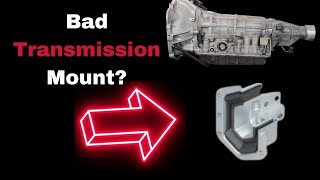
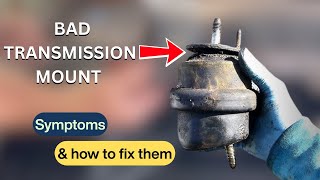
🎬 Watch this video to identify common bad transmission mount symptoms.Symptoms of a Failing 1981-1987 F-250 Transmission Mount
| Symptom | Description | Severity |
|---|---|---|
| Clunking or Banging Noises | This is the most common sign. You'll hear a loud "clunk" or "thump" when you accelerate, decelerate, or shift between Drive and Reverse. This noise is the transmission assembly lifting and hitting the truck's underbody because the mount isn't holding it down. | Moderate |
| Excessive Vibration | A new or increased vibration felt through the floor, seat, or steering wheel is a tell-tale sign. Since the mount's purpose is to absorb these vibrations, you'll feel more of the engine and transmission's natural shaking when the rubber fails. This is often most noticeable at idle or during acceleration. | Minor |
| Drivetrain Movement | You might feel the gear shifter move in your hand during acceleration, or you may even see the engine and transmission rock excessively if you have a helper watch while you briefly put the truck in gear with the brake held firmly. This indicates the drivetrain is no longer securely mounted. | Serious |
Choosing the Right Aftermarket Transmission Mount
For a vehicle from this era, finding a new Original Equipment (OEM) Ford mount is highly unlikely. The aftermarket is the primary source for these parts. The brands available—Anchor, DEA, and Pioneer—are common in the budget-friendly category. For a simple part like a transmission mount on a 40-year-old truck, these are generally considered adequate.
OEM vs. Aftermarket Quality
While some forum users express dissatisfaction with budget brands like Anchor and DEA for more modern or performance-oriented vehicles, others have used them for years on various platforms without significant issues. Pioneer is often viewed more favorably, with some users noting their parts closely resemble the original factory mounts. Given the straightforward design of the mount for this F-250, any of the available aftermarket options should perform acceptably, with Pioneer potentially offering a slight edge in perceived quality and fit.
Installation and Cost
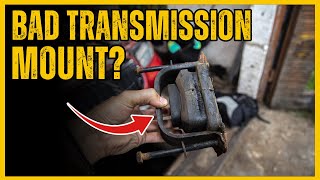
Replacing the transmission mount on a 1981-1987 F-250 is a straightforward job that is very feasible for a DIY mechanic. The process involves supporting the transmission with a floor jack and a block of wood, unbolting the mount from the crossmember, and then unbolting it from the transmission. No special tools are required beyond a basic socket set. 🎬 Follow this step-by-step guide to changing your transmission mounts. The most difficult part can be breaking loose bolts that have been in place for decades, especially in areas with rust.
Estimated Costs
| Item | Estimated Cost |
|---|---|
| New Aftermarket Part | $17 - $37 |
| Shop Labor | $100 - $200 |
| Total Professional Installation | $120 - $240 |
Common Ordering Mistake
Always verify that the mount you are ordering is correct for your specific configuration. While many mounts are shared, there can be differences between 2WD and 4WD models, or between automatic and manual transmissions. Check part number cross-references carefully before purchasing.
Frequently Asked Questions (FAQ)
Are there any recalls for the 1981-1987 F-250 transmission mount?
No, there are no recalls or technical service bulletins (TSBs) from Ford or the NHTSA specifically for the transmission mount on this generation of F-250. Failures are age-related and considered normal wear and tear.
Can I drive with a bad transmission mount?
You can, but it is not recommended for an extended period. A bad mount puts extra stress on other components, including the engine mounts, driveshaft U-joints, and exhaust system, which can lead to more expensive repairs down the road.
How do I know for sure my mount is bad?
A visual inspection is the best way. With the truck safely supported, look at the mount. If you see deep cracks, separation of the rubber from the metal plates, or if the rubber looks collapsed and squashed, it needs to be replaced. You can also use a pry bar to gently check for excessive movement.
🎬 See how to diagnose and fix a failing transmission mount.Is this a difficult job to do myself?
No, this is considered an easy DIY job for most home mechanics. It requires supporting the transmission's weight with a jack, but typically the crossmember does not need to be removed. The main challenge is usually dealing with rusted or stubborn bolts.
Helpful Videos
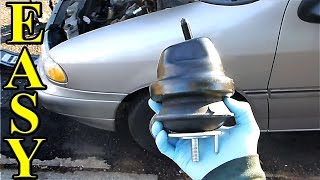
Technical Specifications
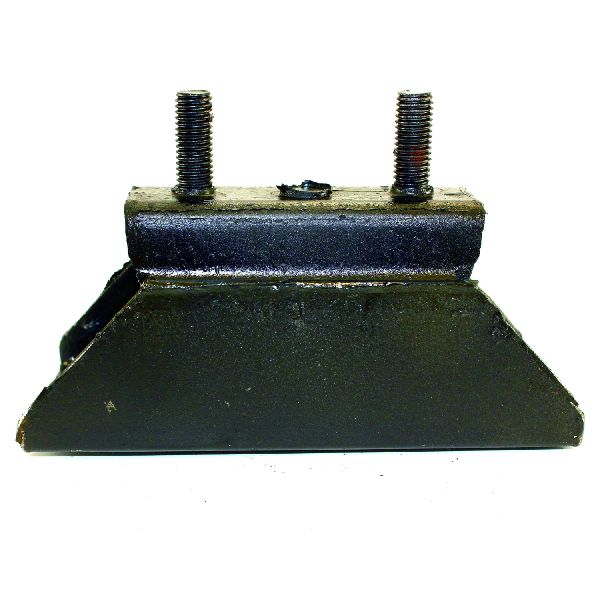
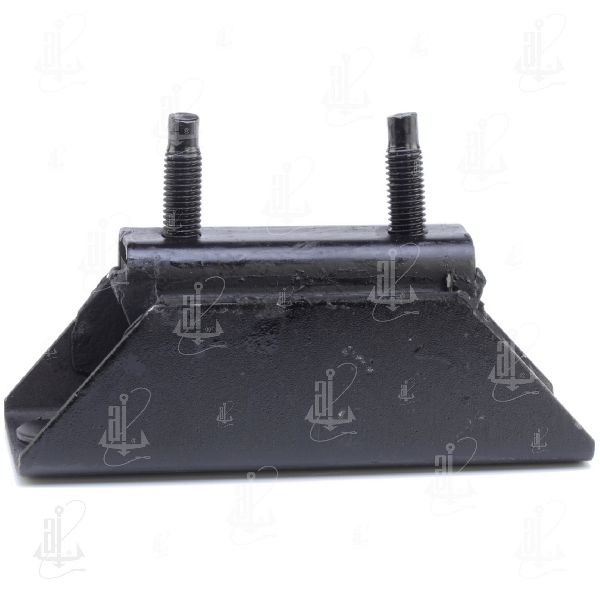
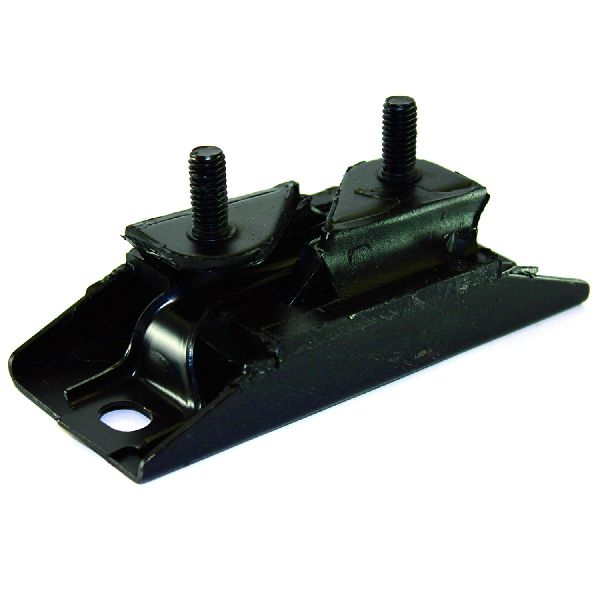
OEM Part Numbers: E2TZ-6068-A
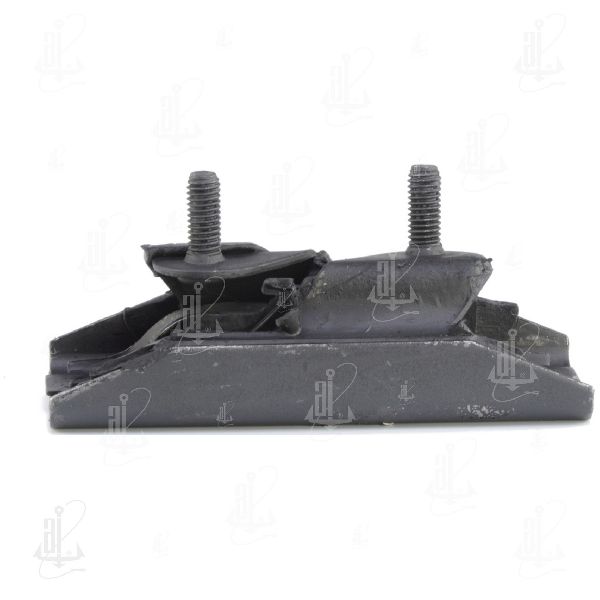
The mount consists of a rubber block bonded between two metal plates. It secures the automatic transmission to the frame crossmember.
We Have This Part in Stock


The information in this article is provided for general reference and educational purposes only. Vehicle specifications, procedures, and part compatibility can vary by production date, trim level, and region. Always consult your vehicle's factory service manual and verify part numbers before purchasing or performing repairs. Safety-critical components such as airbags, seat belts, and braking systems should be installed by a qualified professional.
- Ford F-250:
- 🎬 Helpful Videos
- 🛍️ Shop This Part
- Is a Bad Transmission Mount Causing Problems in Your F-250?
- Symptoms of a Failing 1981-1987 F-250 Transmission Mount
- Choosing the Right Aftermarket Transmission Mount
- OEM vs. Aftermarket Quality
- Installation and Cost
- Estimated Costs
- Common Ordering Mistake
- Frequently Asked Questions (FAQ)
- 🎟️ Get 5% Off