

GMC C3500 Engine Coolant Temperature Sensor and Sender Guide (1981-1987)
Solving engine problems on your Square Body truck starts with understanding this critical, and often confusing, part.
- You must identify if you need the two-wire ECU 'sensor' or the single-wire gauge 'sender'. They are different parts in different locations.
- Symptoms like bad gas mileage and black smoke point to the ECU sensor; an incorrect gauge reading points to the sender.
- Replacement is very easy and can be done in minutes with a basic socket set, making it a great DIY repair.
- Stick with reputable brands like Standard Ignition (SMP) or NGK/NTK for this critical sensor to ensure accurate performance.
Sensor vs. Sender: A Common Point of Confusion
Warning: Order the Correct Part. Your 1981-1987 GMC C3500 has two different temperature units. Before ordering, identify which one you need to replace.
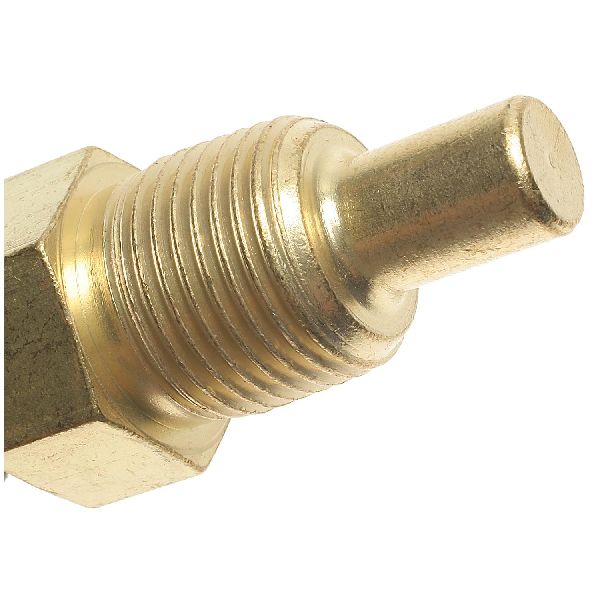
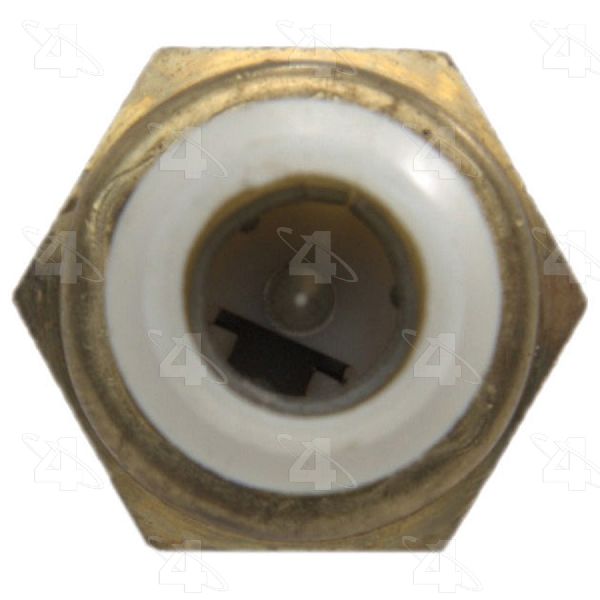
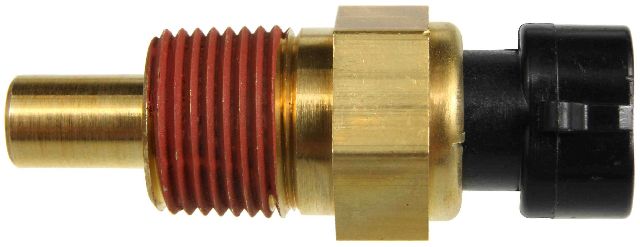
- Engine Coolant Temperature (ECT) Sensor: This has a two-wire connector and is for fuel-injected (TBI) engines. It tells the computer the engine temperature. A failure here affects how your engine runs. It is typically located on the intake manifold near the thermostat.
- Coolant Temperature Sender: This has a single-wire connector. Its only job is to make the temperature gauge on your dashboard work. A failure here will not affect engine performance. It is usually found on the driver's side cylinder head.
Symptoms of a Failing Coolant Sensor (For TBI Engines)
When the main ECT sensor for the computer fails on a TBI engine, the computer often defaults to thinking the engine is cold. This leads to a rich fuel mixture and several noticeable problems.
- Poor Fuel Economy: The most common symptom. The computer dumps extra fuel, thinking the engine needs to warm up.
- Black Smoke from Exhaust: Unburned fuel from the rich mixture exits through the exhaust.
- Check Engine Light: On TBI models, a bad sensor will often trigger a Code 15.
- Rough Idle and Stalling: The incorrect fuel mixture can cause the engine to run poorly, especially once it has warmed up.
- Failed Emissions Test: The rich fuel mixture will cause the truck to fail the emissions portion of an inspection.
If your temperature gauge is not working correctly, but the truck runs fine, you likely only need to replace the single-wire temperature sender.
Choosing the Right Aftermarket Sensor
For a vehicle of this age, original OEM parts are generally discontinued. The market consists of aftermarket brands with varying levels of quality. Based on owner feedback and brand reputation, here is a breakdown of available options.
Brand Quality Tiers
Premium Brands: These brands have a strong reputation for quality control and matching original equipment performance. They are a reliable choice for this critical sensor.
- Standard Ignition (SMP): Long considered a top-tier aftermarket brand for electrical components. Their standard red-box parts are known for quality and reliability.
- NGK / NTK: A major OEM supplier for many car manufacturers, NTK sensors are known for their engineering and testing to meet or exceed OE specs.
Standard & Economy Brands: These brands offer a balance of value and performance. They can be a good choice for a budget-conscious repair, but quality can sometimes be inconsistent.
- Four Seasons: A common brand in the cooling and A/C space with mixed reviews. Some users report good experiences, while others note inconsistencies.
- Holstein: While the company claims high quality, some user reviews are very negative, suggesting potential quality control issues.
- Global Parts, Motorad, True Tech: These brands are typically budget-friendly options. They can be effective but may not have the same longevity or precise calibration as premium brands.
Typical Replacement Costs
The cost for this repair is low, especially if you do it yourself. The parts are inexpensive and the labor is minimal.
| Item | Estimated Cost |
|---|---|
| New Aftermarket ECT Sensor/Sender | $12.58 - $32.98 |
| Shop Labor | $50 - $100 |
| Total Estimated Cost (Installed) | $63 - $133 |
Pro Tip: This is a very simple DIY job. Replacing the sensor yourself can save you the entire cost of labor and only requires basic tools.
Frequently Asked Questions (FAQ)
Can I replace the coolant temperature sensor myself?
Yes, this is a great DIY task for beginners. It typically only requires a deep socket and ratchet to unscrew the old sensor and install the new one. The key is to work quickly to minimize coolant loss.
Where is the ECT sensor located on my 1981-1987 C3500?
There are two locations. The two-wire sensor that controls the engine computer (on TBI models) is usually on the front of the intake manifold, near the thermostat housing. The single-wire sender for the dashboard temperature gauge is typically on the driver's side cylinder head, between the front two spark plugs.
Do I need to drain all the coolant to replace the sensor?
No, you do not need to drain the entire system. If you work on a cold engine and have the new sensor ready, you can quickly swap them. You will lose a small amount of coolant, which you should top off afterward. Some mechanics relieve system pressure by briefly removing the radiator cap on a cold engine.
What happens if I don't replace a bad ECT sensor?
Ignoring a bad ECT sensor (on a TBI engine) will lead to constantly poor fuel mileage, potential engine damage from running too rich, carbon buildup on internal components, and failed emissions tests. Ignoring a bad sender only means your dashboard gauge won't work, but this can be risky as you won't have a visual warning if the engine starts to truly overheat.
Technical Specifications
Varies by engine type. TBI models require a two-terminal sensor for the ECU. All models use a single-terminal sender for the gauge. Thread size is also critical for proper fitment in the intake manifold or cylinder head.
We Have This Part in Stock



The information in this article is provided for general reference and educational purposes only. Vehicle specifications, procedures, and part compatibility can vary by production date, trim level, and region. Always consult your vehicle's factory service manual and verify part numbers before purchasing or performing repairs. Safety-critical components such as airbags, seat belts, and braking systems should be installed by a qualified professional.
- GMC C3500: