

A Guide to Replacing the Radiator in Your 1981-1988 Dodge B250 Van
Keep your classic Dodge van's engine cool and reliable with the right replacement radiator.
- Overheating and coolant leaks are the most common signs of radiator failure in a 1981-1988 Dodge B250.
- New OEM parts are unavailable; you will be buying an aftermarket radiator from a brand like APDI, Spectra, or CSF.
- Replacement is a manageable DIY job, but be sure to also replace the hoses, thermostat, and radiator cap at the same time.
- Always confirm if your van requires a radiator with a built-in automatic transmission cooler before ordering.
Is Your Dodge B250 Radiator Failing?
For a van from the 1980s, cooling system problems are not a matter of if, but when. The original radiators used materials that break down over time. The most common issues are leaks and clogs. Leaks can happen when plastic parts on the radiator become brittle and crack. Clogs happen internally as deposits from old coolant build up, blocking flow and preventing the radiator from cooling effectively.
Key Symptoms of a Bad Radiator:
- Engine Overheating: The temperature gauge climbing into the red is the most obvious sign of a cooling problem.
- Visible Coolant Leaks: You might see puddles of green or pink fluid under your van, or notice crusty residue on the radiator itself.
- Low Coolant Level: Constantly having to add coolant to the overflow tank is a sure sign of a leak.
- Steam from Engine Bay: If you see steam, pull over immediately. This indicates a significant leak where coolant is hitting hot engine parts.
A Note on OEM Parts
For a vehicle of this age, finding a brand new Original Equipment Manufacturer (OEM) radiator from Dodge is nearly impossible. The market for the 1981-1988 B250 is served almost exclusively by aftermarket manufacturers. This is not a bad thing, as modern aftermarket parts often use improved materials and construction compared to the original 1980s technology.
Choosing the Right Aftermarket Radiator
When shopping for a new radiator, you'll find options with plastic tanks and aluminum cores, or all-metal (aluminum) units. For most stock applications, a quality plastic/aluminum radiator is a reliable and cost-effective choice. Brands like Spectra are known to be dependable standard replacements.
Available Brands for Your B250:
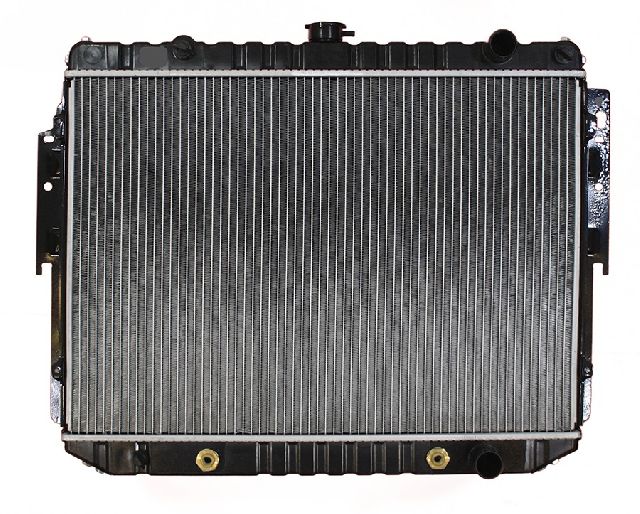
- Economy Tier (APDI): APDI offers a budget-friendly option that meets basic specifications. These radiators are leak-tested and designed to fit correctly, providing a functional replacement to get your van back on the road.
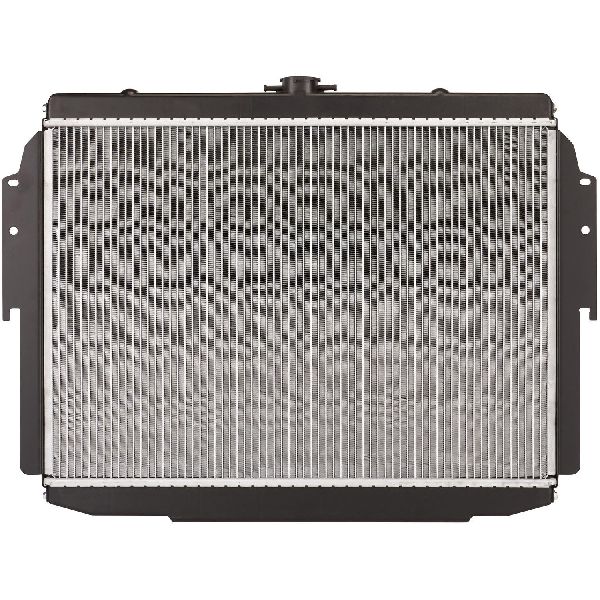
- Standard Tier (Spectra Premium): Spectra is a very common and generally trusted brand for daily-driver quality parts. They are designed to match the original's fit and performance and are a popular choice for owners looking for a good balance of price and reliability.
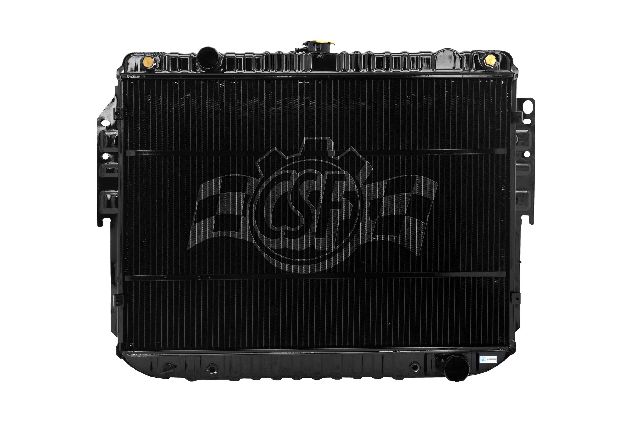
- Premium Tier (CSF Radiator): CSF often provides options that are more robust than standard replacements, such as models with all-metal construction instead of plastic tanks. An all-metal radiator can offer greater durability, which is a good investment if you use your van for heavy hauling or live in a hot climate.
Pro Tip: While replacing your radiator, it is highly recommended to also replace the radiator hoses, thermostat, and radiator cap. These parts are inexpensive and wear out at a similar rate. Replacing them all at once prevents one old part from causing your new radiator to fail.
Cost of Replacing a 1981-1988 Dodge B250 Radiator
The cost will depend on the brand you choose and whether you do the work yourself. The job is straightforward for a DIY mechanic.
| Part/Service | Estimated Cost |
|---|---|
| Aftermarket Radiator | $150 - $462 |
| Shop Labor | $200 - $350 |
| Total Professional Installation | $350 - $812 |
Frequently Asked Questions
Do I need to replace my radiator cap?
Yes. A radiator cap's job is to hold pressure in the system, which raises the boiling point of the coolant. A weak or old cap can't hold pressure, leading to overheating. It's a cheap and critical part of the system that should always be replaced with the radiator.
Should I flush the cooling system?
Absolutely. Before installing a new radiator, you should perform a complete coolant flush. This removes any old, contaminated coolant and loose debris from the engine block and heater core that could otherwise clog your new radiator.
What kind of coolant should I use?
For these older vehicles, a traditional green IAT (Inorganic Additive Technology) coolant is typically the correct choice. Always mix it 50/50 with distilled water. Check your owner's manual if you have it, but avoid using modern OAT (Organic Acid Technology) coolants like Dex-Cool, as they can damage the materials in older cooling systems.
Does my radiator have a transmission cooler?
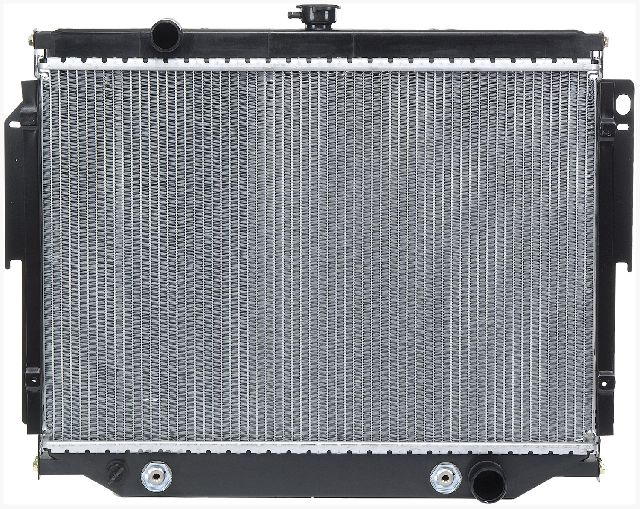
Most Dodge B250s with automatic transmissions have a transmission fluid cooler integrated into the radiator. You will see two smaller lines, typically with threaded fittings, going into the side tank of the radiator. It is critical to ensure these are disconnected from the old radiator and securely reconnected to the new one to prevent transmission damage.
Technical Specifications
The key specifications to verify are core dimensions (height and width), inlet and outlet hose positions (typically driver side upper, passenger side lower), and whether an integrated transmission cooler is required for your automatic transmission.
We Have This Part in Stock

The information in this article is provided for general reference and educational purposes only. Vehicle specifications, procedures, and part compatibility can vary by production date, trim level, and region. Always consult your vehicle's factory service manual and verify part numbers before purchasing or performing repairs. Safety-critical components such as airbags, seat belts, and braking systems should be installed by a qualified professional.
- Dodge B250: