

Ford Bronco Engine Coolant Bypass Hose Guide: 1981-1988
Learn how to spot a failing engine coolant bypass hose on your 1981-1988 Ford Bronco and choose the right replacement part.
- A failing bypass hose will cause coolant leaks and can lead to critical engine overheating; do not drive if you see steam or the temperature gauge is in the red.
- For this vehicle, quality aftermarket brands like Gates, Dayco, or Continental are the best and most practical option.
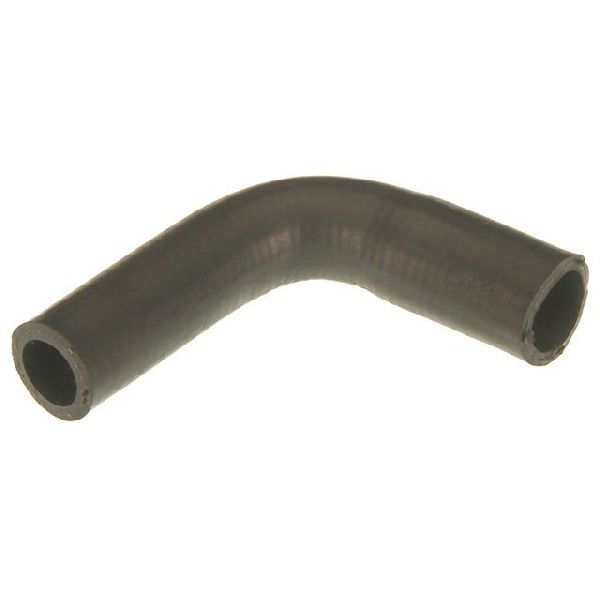
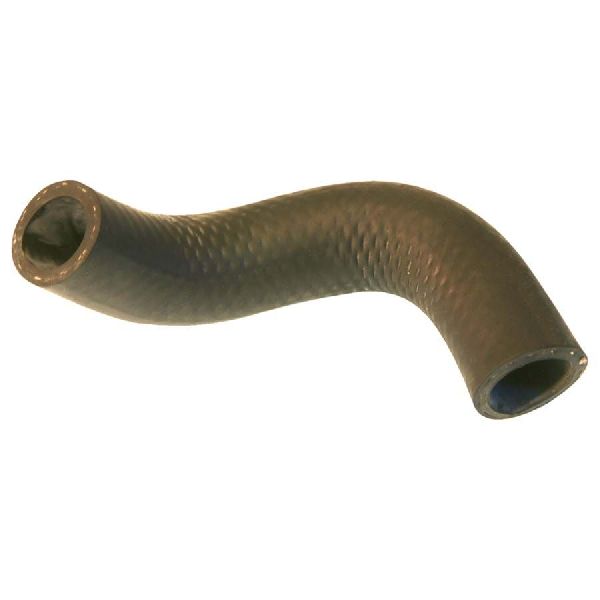
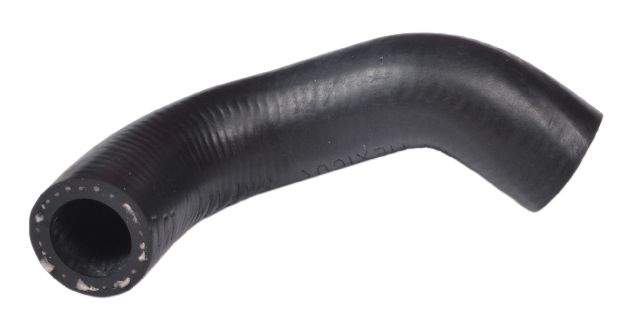
- Always use a pre-molded hose made for your specific engine to ensure proper fit and prevent kinking or rubbing.
- When replacing the hose, it is best practice to also install new hose clamps and inspect all other cooling system hoses.
Signs of a Failing Bypass Hose
On a truck as old as the 1981-1988 Bronco, rubber hoses are well past their expected service life. Failure is not a matter of if, but when. These hoses break down from years of heat cycles and pressure. Look for these clear warning signs:
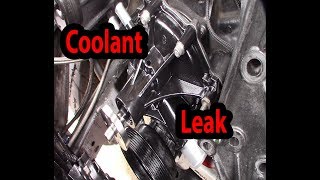
- Coolant Leaks: This is the most obvious symptom. You may find puddles of green or yellow fluid 🎬 Watch: How to pressure test your cooling system for leaks under the front of your Bronco. The leak can also leave a white or greenish crusty residue on the hose or nearby engine parts.
- Sweet Smell: If coolant drips onto hot engine components, it will burn off and create a distinct sweet smell in the engine bay.
- Visible Hose Damage: When the engine is cool, inspect the hose. If it looks swollen, cracked, or feels mushy or rock-hard, it needs to be replaced immediately.
- Engine Overheating: A small leak can lead to low coolant levels, causing the temperature gauge to climb. A complete hose failure will cause a rapid loss of coolant, leading to critical overheating that can severely damage your engine.
Warning: Do Not Drive an Overheating Engine
If you see steam coming from the hood or your temperature gauge enters the red zone, pull over and shut off the engine as soon as it is safe to do so. Driving an overheating engine can lead to catastrophic damage, such as a blown head gasket or warped cylinder head.
Choosing the Right Aftermarket Bypass Hose
For this generation of Bronco, original Ford (Motorcraft) parts are often discontinued or difficult to find. Aftermarket hoses from reputable brands are the most practical and reliable choice. The three most common brands you will find are Gates, Dayco, and Continental.
- Brand Quality: All three brands (Gates, Dayco, Continental) are established manufacturers that produce quality replacement hoses. Forum discussions among vehicle owners show that any of these brands are generally considered a good choice for a simple hose replacement on an American vehicle.
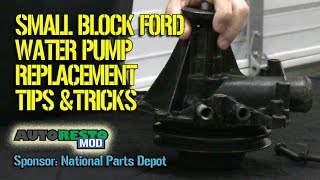
- Fitment is Key: The most critical factor is choosing a molded hose specifically designed for your Bronco's engine (e.g., 5.0L or 5.8L V8). 🎬 Watch: Identifying and fixing leaks on Ford V8 water pumps Do not use a generic straight piece of hose, as it can kink, collapse, or rub against other components, leading to premature failure. Some users recommend comparing the bends of the new hose to your old one before installation to ensure a good match, as fitment can sometimes vary slightly between aftermarket brands.
Pro Tip: Replace More Than Just the Hose
If your bypass hose has failed due to age, your other cooling system hoses are likely in similar condition. To prevent future breakdowns, it is wise to inspect all radiator and heater hoses at the same time. Always replace the hose clamps when you install a new hose to ensure a tight, leak-free seal.
Replacement Cost
Replacing the coolant bypass hose is an affordable repair, especially if you do the work yourself. The main costs are the part itself and fresh coolant.
| Part/Service | Estimated Cost |
|---|---|
| New Aftermarket Hose | $25 - $29 |
| Shop Labor | $90 - $180 |
| Total Estimated Cost | $115 - $209 |
Frequently Asked Questions (FAQ)
Are there any recalls for the 1981-1988 Bronco bypass hose?
No. Searches of the National Highway Traffic Safety Administration (NHTSA) database show no recalls or technical service bulletins (TSBs) for the coolant bypass hose on this vehicle. All failures are related to normal aging and wear of the rubber part.
Can I replace the bypass hose myself?
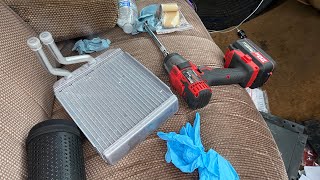
Yes, this is a DIY-friendly job for someone with basic tools. The process involves partially draining the cooling system, using pliers or a screwdriver to loosen the hose clamps, removing the old hose, and installing the new one. The most important steps are ensuring you use the correct molded hose and properly refilling and bleeding any air 🎬 See this walkthrough for replacing Ford small block cooling components from the cooling system afterward.
Is a Gates, Dayco, or Continental hose better?
For this application, all three are considered quality brands and will likely outlast the vehicle. Some mechanics and DIYers have personal preferences, with some noting Gates may have slightly better cataloging and fitment, while others prefer the feel of Dayco hoses. The most important factor is getting the correct molded part number for your Bronco, not which of these three brands you choose.
What kind of coolant should I use in my 1981-1988 Bronco?
For this era of Ford truck, a conventional "green" ethylene glycol-based coolant is the standard choice. You can buy it as a concentrate and mix it 50/50 with distilled water, or purchase a pre-mixed solution.
Helpful Videos
Technical Specifications
The hose is typically made of EPDM rubber with fiber reinforcement. It is a molded hose, meaning it has specific pre-formed bends to fit the engine bay correctly. Common inside diameters are 5/8 inch or 3/4 inch, depending on the specific engine application.
We Have This Part in Stock

The information in this article is provided for general reference and educational purposes only. Vehicle specifications, procedures, and part compatibility can vary by production date, trim level, and region. Always consult your vehicle's factory service manual and verify part numbers before purchasing or performing repairs. Safety-critical components such as airbags, seat belts, and braking systems should be installed by a qualified professional.
- Ford Bronco: